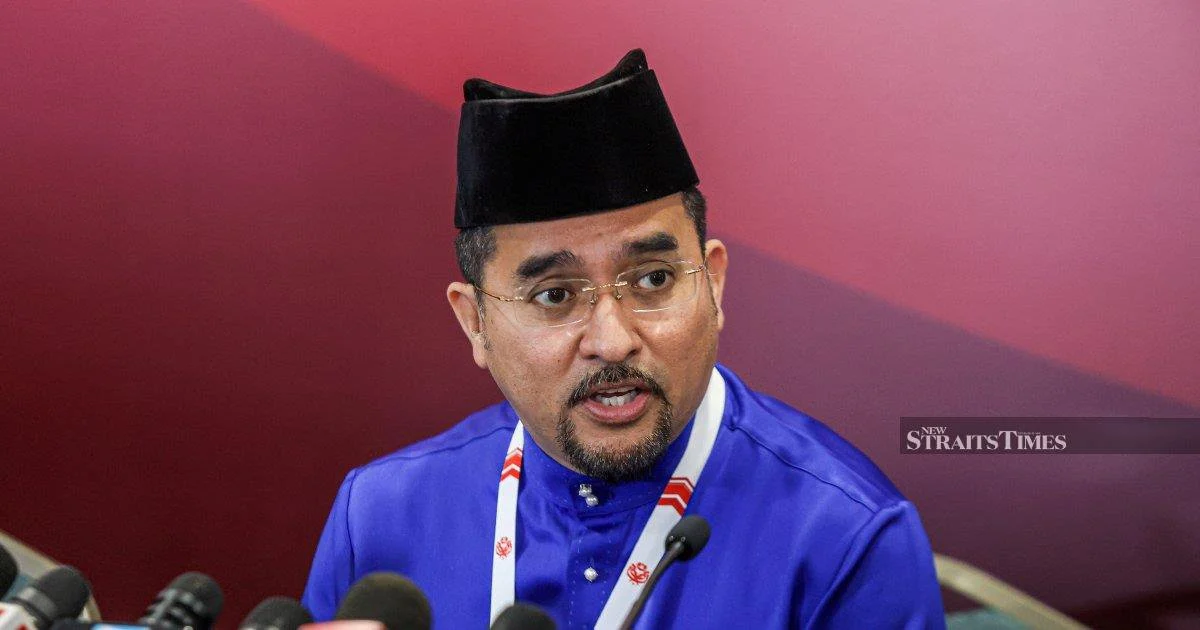
Barisan Nasional's postponement of its Johor state election candidate slate stemmed from the coalition's commitment to a demanding vetting framework, Umno secretary-general Datuk Dr Asyraf Wajdi Dusuki revealed. The rigorous screening process, designed to ensure quality and eligibility across the nominated roster, created timing complications that pushed back the official declaration beyond its initially expected window.
The vetting mechanism implemented by BN reflects broader party concerns about candidate calibre and public perception heading into the Johor contest. By subjecting prospective nominees to extensive background checks, financial audits, and character assessments, the coalition aimed to strengthen its position against potential opposition attacks based on candidate credibility or conduct. This methodical approach, though administratively demanding, aligned with BN's strategic messaging around governance standards and institutional discipline.
For Malaysian political observers, the transparency around this delay offers insight into coalition decision-making during electoral cycles. Rather than rushing announcements to meet arbitrary deadlines, BN's leadership chose to extend timelines to satisfy internal quality controls. This stance contrasts with previous electoral periods when some parties faced criticism for nominating controversial or under-vetted candidates who subsequently became electoral liabilities.
The Johor election carries particular significance for BN's broader political trajectory. As one of Malaysia's most prominent states and a traditional stronghold, performance here directly impacts the coalition's national standing and fundraising capacity. Voters in Johor increasingly demand candidates with clean track records and demonstrable competence, making thorough vetting not merely procedural but strategically essential for electoral viability.
Umno's explicit acknowledgment of the vetting process also serves a communication function. By publicly attributing delays to rigorous standards rather than internal discord or indecision, party leadership reinforces messaging that BN operates with institutional discipline. The framing forestalls speculation about leadership conflicts, coalition tensions, or haphazard planning that might undermine voter confidence in the coalition's organisational capacity.
The delay mechanism reveals structural challenges within BN's multi-party framework. Coordinating candidate selections across Umno, MCA, MIC, and other coalition partners requires consensus-building and negotiation over seat allocations. When coupled with individual party vetting standards, the timeline inevitably stretches. Each component party maintains distinct screening protocols reflecting their membership bases and organisational cultures, and harmonising these processes takes considerable time.
From a Southeast Asian perspective, Malaysia's coalition-based electoral system creates different challenges from single-party-dominant systems elsewhere in the region. Thai and Vietnamese political structures, by contrast, operate with more centralised nomination authority. BN's decentralised approach sacrifices speed for legitimacy, as each coalition partner retains autonomy over candidate approval. For Malaysian voters accustomed to this model, extended timelines for announcement represent normalised political practice rather than exceptional dysfunction.
The Johor campaign environment also influenced vetting thoroughness. With opposition parties mobilising extensively and social media amplifying candidate controversies instantaneously, BN recognised that any nominated candidate facing credibility questions would immediately become liability ammunition. The political cost of hasty nominations in contemporary Malaysia far exceeds the electoral cost of delayed announcements. Voters typically respond to substantive campaign messaging once formally introduced, whereas pre-campaign candidate scandals generate damaging narrative momentum impossible to reverse.
Governance concerns within party hierarchies also drove the extended vetting process. Umno and coalition partners have periodically faced criticism from electorate segments regarding nominee backgrounds, particularly regarding past financial irregularities or ethical breaches. By implementing comprehensive screening systems, BN attempted to pre-empt such attacks and demonstrate institutional reform. This proactive stance signals to Malaysian voters that the coalition takes public accountability seriously.
The communication strategy surrounding the delay reflects sophisticated political messaging. Rather than allowing media and opposition narratives to explain postponements through negative framings around disunity or incompetence, Umno leadership controlled the explanation. Asyraf Wajdi Dusuki's statements positioned the delay as evidence of responsible governance rather than organisational failure. This rhetorical move, repeated consistently across coalition communications channels, shapes public interpretation of timing variations.
Looking forward, the vetting process precedent likely establishes expectations for future BN electoral cycles. Having publicly committed to stringent standards, the coalition now faces pressure to maintain or exceed these benchmarks in subsequent elections. Should future candidate announcements occur without equivalent thoroughness, opposition critics will immediately contrast current messaging with apparent relaxation of standards. This creates institutional accountability that transcends any single election cycle.
For Malaysian political analysts, the Johor episode illustrates how contemporary electoral dynamics force coalition structures toward greater procedural transparency. The days when parties could announce candidates through opaque, hierarchical processes have largely passed. Voter sophistication, media scrutiny, and digital-age accountability mechanisms demand that political organisations explain their decisions publicly and in advance.

