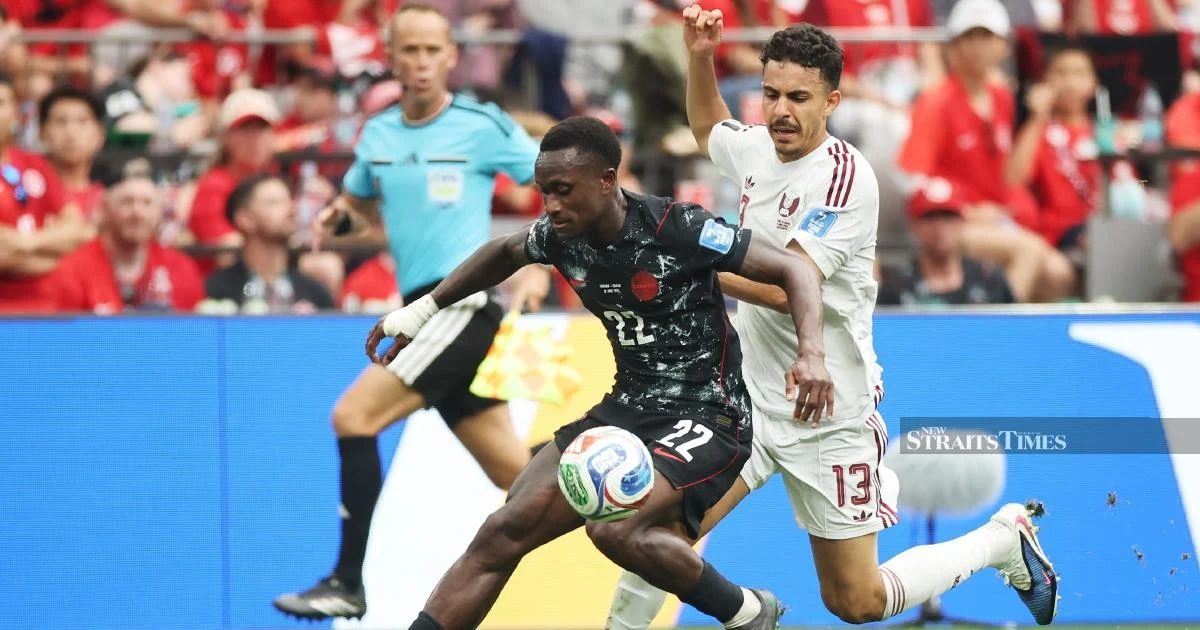
Qatar's capitulation to Canada in a World Cup match, losing 6-0, has become a stark illustration of how even substantial financial commitment cannot automatically translate into competitive footballing prowess on the world's biggest stage. The comprehensive nature of the defeat has prompted football analysts and administrators across the region to reconsider the efficacy of investment-heavy approaches to building national teams, particularly when those efforts lack accompanying structural reforms and long-term strategic planning.
The scale of Qatar's reversal underscores a fundamental truth in international football: monetary resources alone, however substantial, cannot engineer sustained competitive success without complementary elements such as grassroots development, coaching excellence, institutional stability, and a deep cultural connection to the sport. Experts have pointed out that Qatar's investment in player recruitment and infrastructure, while impressive in scale, appears to have overlooked these foundational prerequisites that characterise established football powers. The reliance on acquisition strategies rather than organic development has created a fragile edifice vulnerable to exposure when facing determined opposition.
For Southeast Asian nations observing Qatar's trajectory, the cautionary tale carries particular relevance. Many regional football federations have sought to accelerate progress through targeted spending on foreign coaches, facility upgrades, and player incentives, mirroring strategies Qatar pursued with greater financial resources. The Canadian demolition suggests that this approach, when pursued in isolation from comprehensive programme architecture, may yield disappointing returns and perpetuate a gap with traditionally stronger footballing nations.
Qatar's World Cup experience highlights the importance of temporal dimension in football development. Sustainable competitive advantage requires investment sustained across decades, nurturing talent pipelines from childhood through professional maturity, and building institutional knowledge that persists beyond individual coaching cycles or administrative tenures. The Kingdom's compressed timeline for establishing itself as a footballing force may have inadvertently prioritised immediate results over the patient cultivation of genuine football culture and capability at grassroots levels.
The defeat also raises questions about coaching structure and tactical philosophy. Financial resources can attract experienced managers and specialists, but their effectiveness depends on alignment with long-term developmental objectives and integration with existing player development systems. A disjunction between imported tactical concepts and the actual capabilities of available personnel can amplify rather than mitigate performance deficiencies when tests become severe.
Regionally, the Qatar situation provides useful perspective for Malaysian football administrators and other Southeast Asian stakeholders considering their own investment strategies. While appropriate funding is necessary, the Canadian victory demonstrates that strategic allocation of resources matters more than absolute spending levels. Smaller nations achieving success in competitive contexts typically combine modest resources with excellent structural efficiency, youth development rigour, and tactical clarity suited to available playing talent.
The psychological dimension of Qatar's experience warrants consideration. A team assembled through significant investment carries elevated expectations, which can create pressure that undermines rather than enhances performance, particularly when fundamental footballing deficiencies become apparent under match stress. Conversely, teams built through organic development processes often possess greater psychological resilience and collective cohesion forged through shared struggle and gradual improvement.
International football's trajectory suggests that competitive balance increasingly reflects institutional quality and developmental sophistication rather than spending differentials alone. Nations like Belgium, Portugal, and Japan have achieved sustained success through methodical investment in youth systems, coaching development, and institutional governance rather than simply pursuing expensive player recruitment campaigns. These models offer alternative templates worthy of consideration for expanding regional football capacity.
The implications extend to sponsorship and commercial models driving football development. While financial resources derived from tourism, energy exports, or investment funds can support football programmes, their effectiveness depends on integration with technical vision and long-term planning. The Qatar case suggests that commercialisation alone, without accompanying sport science, coaching innovation, and player development rigour, creates organisations that look impressive on paper but lack resilience when confronted with superior opposition.
Moving forward, the Canadian victory may catalyse more sophisticated thinking about sports investment across the region. Rather than pursuing resource-intensive approaches mimicking Qatar's model, Southeast Asian nations might emphasise developing training methodologies, coaching education systems, and competitive structures that yield sustainable improvement. Investment in institutional capacity and human development, while less visible than stadium construction or foreign player signings, produces more enduring competitive advantages.
The broader lesson resonates beyond football. Competitive advantage in any domain depends on comprehensive alignment between resources, strategy, execution capability, and institutional culture. Qatar's experience demonstrates that misalignment at any point creates vulnerability, regardless of financial magnitude. For Malaysian football in particular, this suggests focusing on creating coherent developmental ecosystems where investment supports rather than substitutes for fundamental improvements in training methods, coaching standards, and competitive structure.

