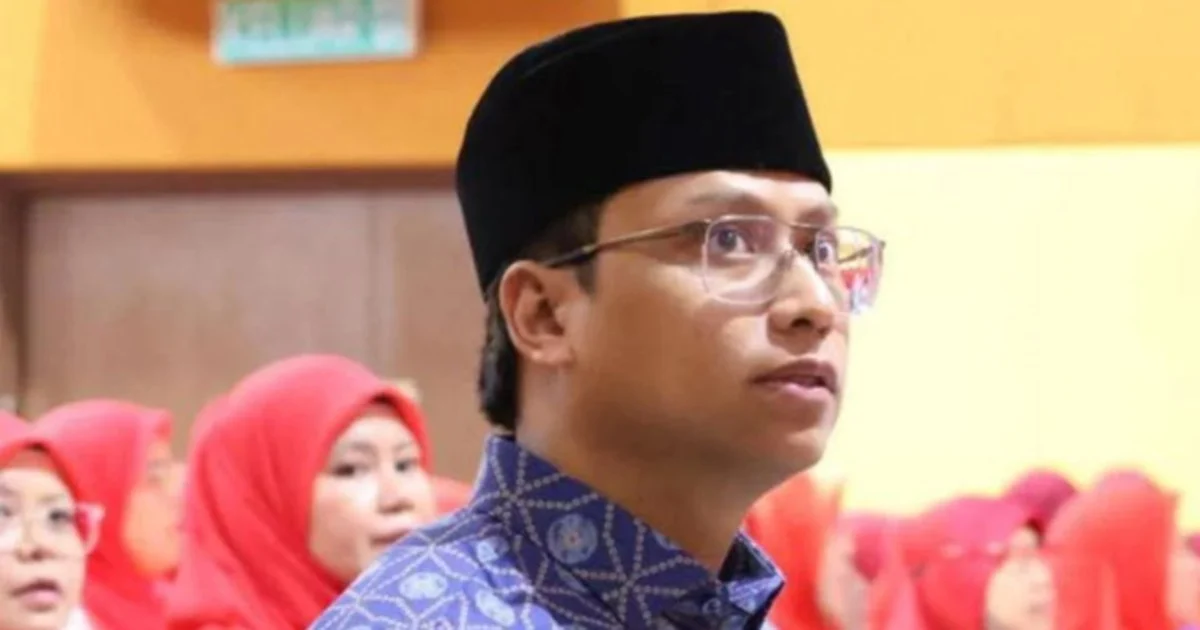
The son of former Umno Supreme Council member Datuk Dr Mohd Puad Zarkashi has mounted a public defence of his father's recent commentary on Umno's direction, arguing that the remarks were motivated by a genuine concern for the party's long-term survival and relevance in Malaysian politics.
The younger Puad's intervention comes as his father's statements have triggered debate within Umno circles regarding the party's current strategic positioning and internal cohesion. Rather than characterise the comments as divisive, the son has reframed them as constructive criticism rooted in an elder statesman's desire to steer the party away from potential pitfalls. This perspective underscores an ongoing tension within Malaysia's largest Malay political organisation between those advocating for institutional reform and those resisting what they perceive as destabilising interventions.
Datuk Dr Mohd Puad Zarkashi, who has held influential positions within Umno's upper echelons, brings considerable experience and credibility to contemporary party debates. His willingness to speak candidly about Umno's trajectory reflects the internal democratic discourse that has historically characterised the organisation, though such interventions frequently generate friction among competing leadership factions. The son's defence signals that the Zarkashi family views these interventions as a form of party loyalty rather than disloyalty, an important distinction as perceptions of factional loyalty continue to shape Umno's internal dynamics.
The defence also touches on a broader question about how Umno should interpret criticism from senior figures. In Malaysian political culture, particularly within Umno where generational respect and hierarchical deference traditionally matter, comments from former Supreme Council members carry symbolic weight beyond their literal content. They can signal concerns held more widely within the party's establishment but expressed with greater caution by those still in formal positions of authority.
History's eventual judgment on Umno's positioning, as invoked by Puad's son, suggests a longer timeframe than current political cycles typically allow. This framing implies that the correctness of the party's current direction cannot be fully assessed within the immediate present, but will only become apparent as circumstances unfold and consequences materialise. Such an argument appeals to patience and perspective, asking stakeholders to consider not just immediate political advantage but institutional trajectory across decades.
The intervention also reflects the Zarkashi family's investment in Umno's fate. For figures with deep historical connections to the party's development and numerous family members involved in political life, the organisation's health represents both a political concern and a personal legacy issue. This personal dimension often animates the most passionate and unguarded contributions to internal party debates, distinguishing them from more calculated interventions by aspiring leaders.
Within the broader context of Malaysian politics, Umno's internal health matters significantly. As the dominant component of various federal and state governing coalitions at different periods, the party's ideological coherence, organisational efficiency, and leadership stability reverberate across the national political landscape. External observers and rival political parties monitor internal Umno dynamics closely, interpreting shifts in internal sentiment as harbingers of potential electoral or coalition changes.
The son's defence simultaneously constitutes a statement to Umno members and sympathisers about how one influential family interprets recent events. By framing the father's remarks as forward-looking rather than backward-looking or factional, the defence attempts to establish a narrative in which principled concern for the party's future overrides any notion of settling scores or advancing narrow group interests. Whether this framing gains traction within Umno depends partly on broader perceptions of the party's current trajectory and whether members perceive recent developments as vindicating or undermining Datuk Dr Mohd Puad Zarkashi's concerns.
The incident also illustrates how political families in Malaysia often function as institutional memory keepers and conscience-bearers for their respective organisations. Members of prominent political families frequently find themselves cast in roles where they interpret and defend the legacies and ongoing contributions of their senior relatives, effectively serving as intermediaries between senior figures and broader party membership. This family-based political communication, while less formal than official party channels, often carries considerable influence because of the presumed knowledge and insider perspective such families possess.
Looking forward, the durability of Umno as a political force may depend substantially on how effectively it accommodates such critical voices from within its own ranks. Parties that successfully integrate constructive internal dissent tend to adapt more effectively to changing circumstances than those that suppress it. The question facing Umno is whether commentary such as that from Datuk Dr Mohd Puad Zarkashi represents the kind of healthy institutional self-correction that enables long-term survival, or whether it signals deeper fissures that threaten cohesion. The son's defence stakes a position in this fundamental debate about the party's future direction and character.

