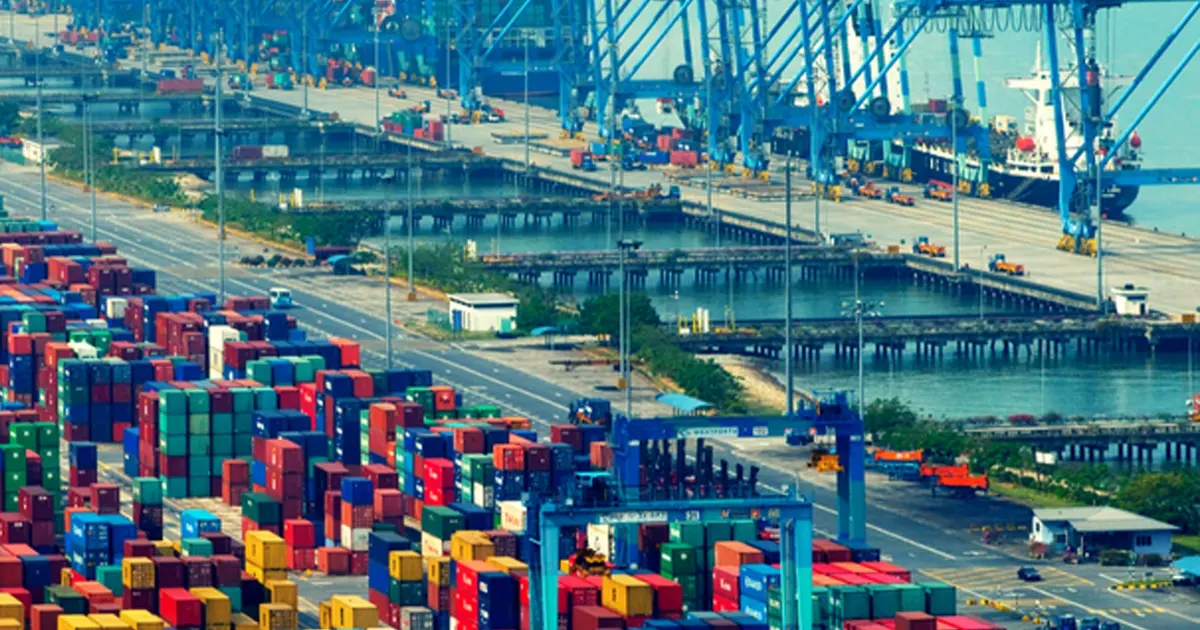
The Port Klang Free Zone is demonstrating tangible signs of recovery, with Transport Minister Loke Siew Fook confirming that the embattled logistics facility has generated RM108 million in revenue during the current reporting period. The achievement reflects the reactivation of 86 per cent of the zone's operational capacity, representing a substantial improvement from its nadir and signalling that restructuring efforts are gaining traction at the port that was once embroiled in one of Malaysia's largest financial scandals.
The recovery trajectory over the past 18 months provides cautious optimism for stakeholders who have watched the Port Klang Free Zone struggle in the aftermath of the RM12.5 billion Port Klang Free Zone scandal that erupted in 2018. That crisis had decimated investor confidence and raised serious questions about the zone's ability to function effectively as a regional trading hub. The gradual reactivation of facilities and the corresponding revenue generation suggest that management interventions and renewed operator engagement have begun to stabilise operations and restore commercial viability.
The 86 per cent reactivation rate is particularly significant when considered against the backdrop of the zone's previous difficulties. Operating capacity had plummeted as tenants and operators departed amid the financial turmoil and reputational damage. The process of enticing businesses to return and attracting new operators has been methodical and demanding, requiring assurances about governance improvements and operational resilience. That three-quarters of the zone's facilities are now functioning represents a watershed moment for an infrastructure asset that had become synonymous with mismanagement and institutional failure.
The RM108 million revenue figure, while representing substantial income, must be understood within the context of the zone's theoretical capacity and the broader Southeast Asian logistics market. Port Klang itself remains one of Malaysia's critical trade gateways, handling approximately 40 per cent of the nation's containerised cargo. The free zone component, however, operates within a competitive landscape that includes other Malaysian facilities and neighbouring ports such as those in Singapore and Indonesia. Revenue recovery therefore indicates not merely operational normalisation but also competitive repositioning in a challenging market environment.
Industry observers note that the reactivation figures likely encompass a mixed portfolio of tenants—some original operators who maintained presence, others that have returned as confidence improved, and new entrants attracted by competitive offerings and reformed management structures. The diversity of this operator base will be crucial to sustaining momentum, as over-reliance on a small number of major tenants would create vulnerability should any single operator withdraw.
Loke's confirmation of steady, encouraging growth represents a political endorsement of the institutional reforms that have been implemented since the scandal's exposure. The Transport Ministry and port authorities have undertaken comprehensive governance reviews, implemented stricter financial controls, and enhanced transparency mechanisms intended to prevent recurrence of the fraud and mismanagement that characterised the original collapse. The minister's public statements about performance recovery thus serve to reinforce the credibility of these institutional changes to potential operators and investors.
The recovery's implications extend beyond the Port Klang Free Zone itself. As one of Malaysia's major trade facilitation assets, the zone's operational health directly affects the competitiveness of Malaysian ports relative to regional competitors. Singapore's Port of Singapore Authority continues to dominate regional container traffic, while Penang Port and Port of Tanjung Pelepas also compete aggressively for cargo. A functional, attractive Port Klang Free Zone strengthens Malaysia's overall port competitiveness and supports the government's broader ambitions to develop the nation as a regional logistics and trading centre.
The logistics and free zone sector in Malaysia employs tens of thousands of workers and facilitates hundreds of billions of ringgit in annual trade. The Port Klang Free Zone's revival thus has employment and economic spillover effects across Port Klang's broader commercial ecosystem, including freight forwarding companies, customs brokers, warehousing operators, and associated service providers. Renewed activity at the zone therefore represents genuine economic stimulus in a sector that remains essential to Malaysia's trade infrastructure.
Looking forward, sustaining this trajectory will require continued vigilance on governance and operational efficiency. The logistics market remains dynamic and increasingly influenced by digital transformation, with modern operators expecting seamless documentation systems, real-time cargo tracking, and integrated customs clearance processes. Port Klang Free Zone will need to continue investing in technological capabilities and infrastructure to maintain operator satisfaction and attract new tenants in an increasingly competitive environment.
The 86 per cent reactivation milestone also leaves 14 per cent of capacity awaiting recommissioning. Identifying and activating remaining idle facilities will be essential for maximising the zone's revenue potential and justifying the capital investment that the port authority has committed to facility upgrades and maintenance. This remaining headroom provides opportunity for expansion as market conditions permit and as operator demand warrants facility activation.
Market analysts will continue monitoring quarterly revenue figures and reactivation rates to assess whether the positive trajectory represents sustainable recovery or a cyclical uptick. Geopolitical factors, global trade tensions, and regional shipping dynamics will all influence demand for Port Klang Free Zone services. Nevertheless, the documented improvement over 18 months provides credible evidence that the institution has weathered its crisis and is positioning itself for sustainable commercial operation as Malaysia's premier free zone logistics facility.