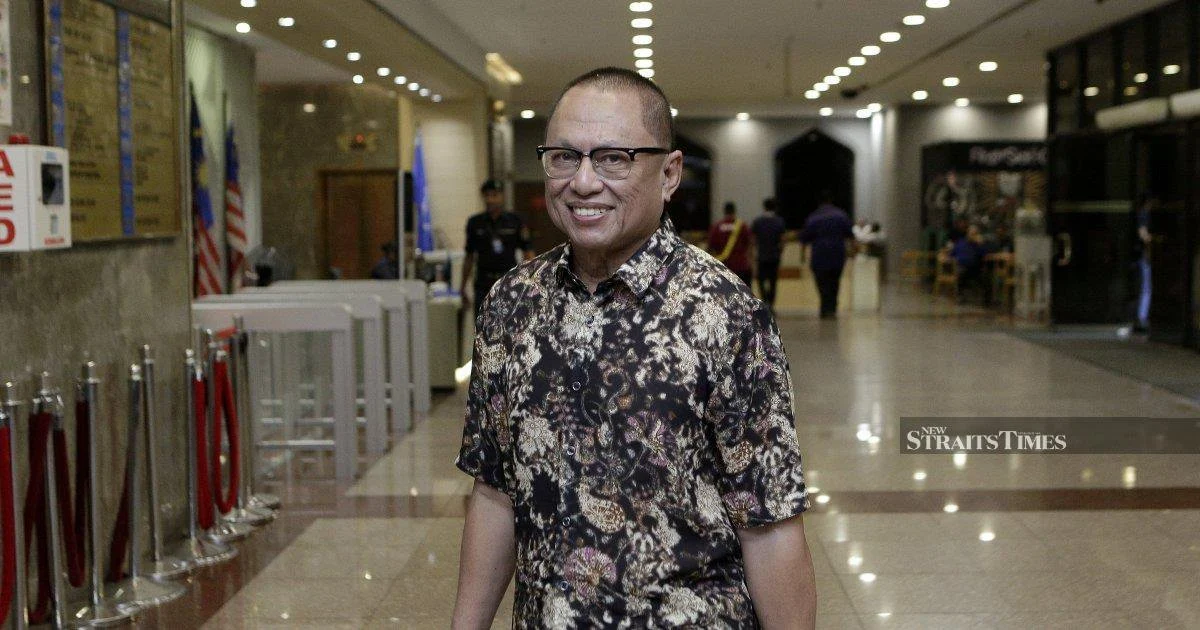
Authorities have initiated a formal investigation into remarks attributed to former Umno figure Datuk Dr Mohd Puad Zarkashi following a significant public response that saw over 150 police complaints submitted throughout Malaysia. The move represents an escalation in scrutiny of the veteran politician's online presence and communications, with law enforcement agencies now treating the matter as serious enough to warrant a dedicated inquiry.
The investigation centres on statements alleged to have been posted on social media platforms by Puad Zarkashi. While specific details regarding the content remain subject to ongoing examination, the sheer volume of formal complaints—153 filed in a single day—suggests the remarks struck a chord among segments of the Malaysian public. Police sources indicate that complainants submitted reports from various jurisdictions across the country, reflecting the nationwide reach and attention the matter has garnered.
Puad Zarkashi's background as a longstanding Umno figure and his continued visibility in public discourse make this investigation noteworthy within Malaysia's political landscape. His previous roles and statements have often generated discussion among political commentators and the general public, and his social media activity appears to be attracting heightened scrutiny. The fact that he remains a recognised voice within the Umno establishment gives additional weight to how his communications are received and interpreted by different constituencies.
The specific allegations linked to "3R" terminology suggest the controversy may relate to particular messaging or positions that touched upon sensitive issues. Such concerns typically trigger rapid mobilisation among groups who view certain statements as problematic or offensive. The speed with which 153 complaints accumulated points to organised effort and genuine public concern among those who felt compelled to lodge reports with law enforcement.
This case illustrates the evolving intersection between social media activity and legal accountability in Malaysia. Politicians and public figures increasingly operate across digital platforms where their words can reach audiences instantaneously and be recirculated widely. When such statements provoke negative reactions, formal mechanisms like police reports provide one avenue through which concerned citizens can escalate matters beyond online discourse. The threshold for triggering official investigation appears to be clear—a substantial number of independent complaints filed across multiple regions can compel police action.
For police forces in Malaysia, this represents ongoing navigation of cases that blend political sensitivity with questions of public order and potentially problematic speech. Officers must examine whether the alleged remarks contravene existing laws while remaining alert to how political considerations might influence complaint patterns. The administrative challenge of processing 153 reports systematically and conducting a thorough investigation is substantial, requiring resource allocation and procedural rigour.
The timing and circumstances surrounding the complaints merit consideration. Public figures' social media output occurs within broader contexts of political activity, policy debates, and social tensions. When such activity triggers mass complaints, investigators typically seek to understand what specific aspects prompted the response and whether the statements in question contain elements that violate Malaysian law regarding sedition, public order, religious sensitivity, or other relevant statutes.
For Malaysian readers across different communities and political backgrounds, this situation touches upon fundamental questions about acceptable political expression and the boundaries of free speech. Some may view the investigation as appropriate accountability for statements they consider objectionable, while others might regard it as potential overreach into legitimate political discourse. These varying perspectives reflect deeper disagreements about how Malaysia should balance open communication with protection against potentially harmful speech.
Umno and its network of associates are likely monitoring developments closely given Puad Zarkashi's continued connection to the party structures. How party leadership responds, whether through public statements or private counsel, may influence broader perceptions about how Malaysian political organisations handle challenges involving their members. Previous episodes involving controversial statements by party figures have shown that organisational response strategies vary depending on political calculations and damage control considerations.
The investigation process itself will involve police collecting evidence, examining the social media posts in question, potentially interviewing relevant parties, and determining whether legal thresholds have been crossed. This procedural element typically unfolds over weeks or months, during which public interest may fluctuate. Media coverage and public commentary will likely continue tracking developments, particularly if further statements emerge or if the investigation produces formal charges.
Broader implications for social media conduct by Malaysian public figures are worth noting. This case may serve as a reference point for other politicians and activists considering their online activity. The knowledge that 153 complaints can trigger formal police investigation might encourage greater caution among those in public positions, though it could equally motivate others to defend their right to controversial expression. The long-term effect on political discourse patterns remains uncertain but potentially significant.
As the investigation proceeds, both police authorities and Malaysian society more broadly will be observing how the matter develops and what conclusions emerge. The case encapsulates contemporary challenges surrounding digital communication, political accountability, and the appropriate institutional responses to public grievance in Malaysia's evolving media environment. How this specific situation resolves may offer important precedent for handling similar incidents involving other public figures and contested social media statements.

