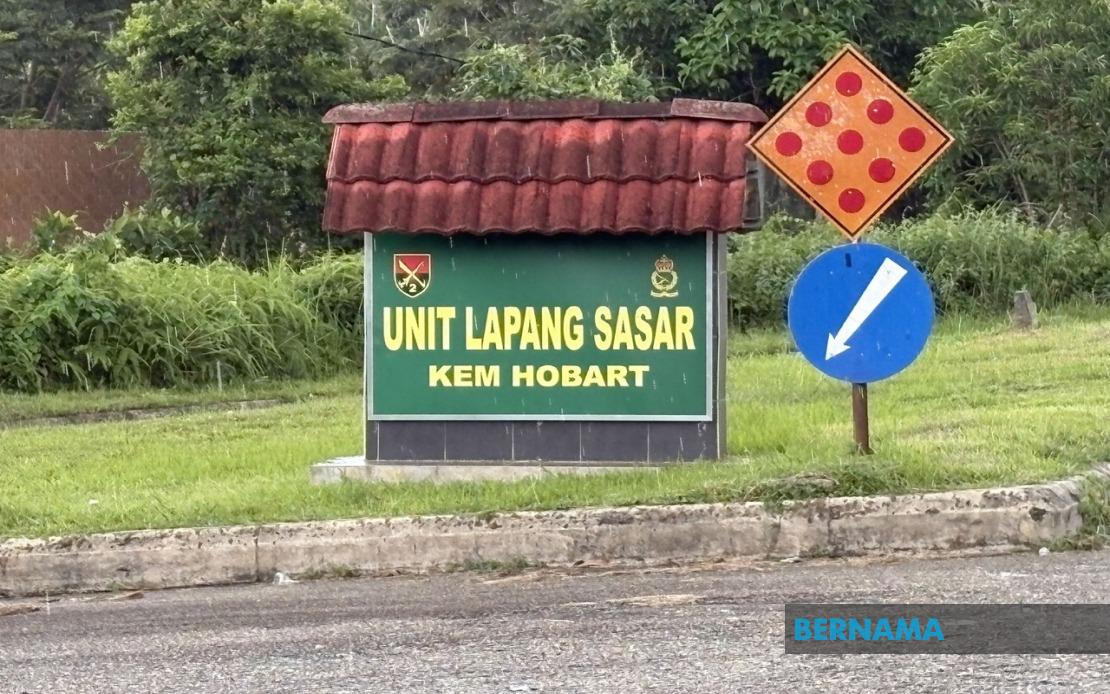
A training exercise at Hobart Camp in Gurun turned tragic on June 16 when an explosion claimed the lives of two Malaysian Army personnel, prompting police to initiate a comprehensive investigation into the incident. The fatal blast occurred during a grenade-throwing exercise conducted by the First Squadron of the Royal Malaysian Engineers Regiment, part of the Second Infantry Division's Combat Enhancement Training programme, at approximately 10.57 am.
The two fatalities were identified as Corporal Norazmi Abu Bakar from the Sixth Battalion of the Royal Malay Regiment and Private Siti Khadijah Sungip from the First Squadron of the Royal Malaysian Engineers Regiment. Both soldiers sustained severe injuries from the explosion and were immediately evacuated to the Sultan Abdul Halim Hospital in Sungai Petani for emergency treatment. Despite medical intervention, both personnel were pronounced dead while being transported to the facility.
Kuala Muda police chief ACP Hanyan Ramlan confirmed that authorities have opened a sudden death report investigation to determine the circumstances surrounding the explosion. The police department intends to conduct a thorough examination of the incident scene and engage all relevant parties in the investigative process. The formal classification of the case as a sudden death investigation allows police to pursue multiple lines of enquiry without predetermined conclusions about causation.
A critical component of the police investigation will involve securing detailed statements from witnesses who were present during the training exercise. Multiple personnel would have been stationed nearby during the grenade-throwing exercise, observing the training protocol and monitoring the soldiers' performance. These eyewitness accounts will be essential in reconstructing the exact sequence of events that preceded the fatal explosion and identifying any procedural deviations or equipment malfunctions that may have contributed to the tragedy.
The incident raises important questions about safety protocols during live weapons training in the Malaysian military. Grenade-throwing exercises are fundamental components of combat training, but they carry inherent risks when live ordnance is involved. The circumstances of this explosion—whether attributable to equipment failure, procedural error, or unforeseen hazardous conditions—will significantly influence recommendations for preventing similar incidents in future training operations across the armed forces.
For Malaysia's defence establishment, this tragedy underscores the ongoing tension between maintaining rigorous combat readiness and ensuring servicemen and women are protected from preventable accidents. The Second Infantry Division, which conducted this training, is responsible for territorial defence and has historically maintained high standards of military preparedness. However, this incident suggests that even well-established training programmes may harbour hidden risks that require systematic evaluation.
The involvement of the Royal Malaysian Engineers Regiment highlights that combat support personnel face similar dangers to frontline troops during training exercises. The engineering corps plays a crucial role in military operations, often performing tasks in high-risk environments. This explosion represents a sobering reminder of the hazards inherent in preparing soldiers for operational deployment, regardless of their specific military specialisation.
Local authorities in Sungai Petani and the Kuala Muda district have become focal points for this investigation, with the Forensic Department at the Sultan Abdul Halim Hospital playing a key role in evidence collection and analysis. The decision to conduct post-mortems at Sultanah Bahiyah Hospital in Alor Setar will provide medical evidence that may clarify the nature and severity of injuries, potentially offering clues about the blast characteristics and proximity of the victims to the explosion's epicentre.
This tragedy will likely prompt a comprehensive review of grenade training protocols across Malaysian military installations. The Defence Ministry may implement enhanced safety measures, additional equipment inspections, or modified training procedures to mitigate similar risks. Such reviews often extend beyond the immediate unit involved, affecting training standards across multiple divisions and regiments to establish consistent safety baselines throughout the armed forces.
The loss of two soldiers during peacetime training exercises inevitably impacts military morale and family units. Both personnel were young, dedicated professionals undertaking routine combat preparation. Their deaths underscore the genuine risks that service members face even when performing established, seemingly routine training tasks. The military community and broader Malaysian society will await the results of the police investigation to understand how such a preventable tragedy occurred.
As the investigation progresses, police will need to examine maintenance records for equipment used during the exercise, review training documentation, and evaluate whether all prescribed safety procedures were properly implemented. The thoroughness of this investigation will be crucial not only for understanding what occurred on June 16 but also for implementing systemic improvements that protect future generations of military personnel undergoing combat training.