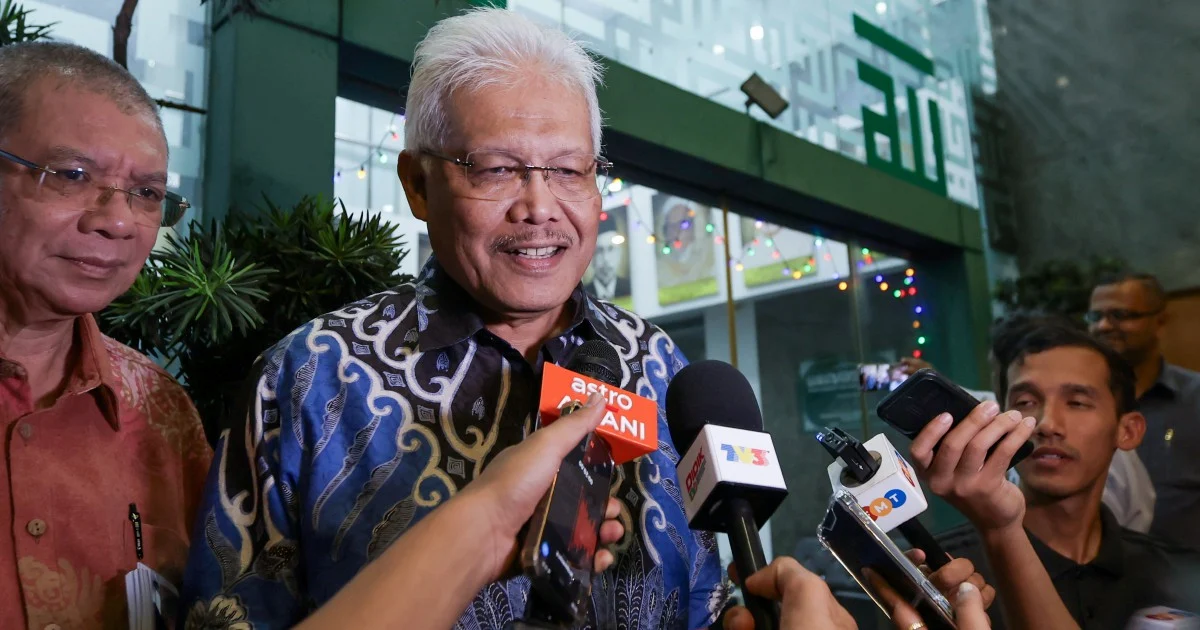
Perikatan Nasional's parliamentary machinery moved swiftly to formalize its opposition leadership structure, with chief whip Datuk Seri Takiyuddin Hassan submitting an official notification to the Dewan Rakyat Speaker's office on the reappointment of Datuk Seri Hamzah Zainudin as opposition leader. The procedural filing marks the coalition's formal confirmation of its parliamentary hierarchy as Malaysia navigates a complex political landscape dominated by competing blocs.
The submission underscores the organizational consolidation within PN, which has positioned itself as the principal opposition force in the current parliament. By moving promptly to register Hamzah's continued leadership, the coalition demonstrates internal cohesion and clarity about its parliamentary strategy. This action follows months of political manoeuvring that saw various coalitions jockey for influence following the outcomes of previous electoral cycles.
Hamzah Zainudin's tenure as opposition leader carries significance beyond ceremonial appointment. The role grants its holder considerable influence over parliamentary proceedings, including the right to speak on behalf of the opposition, coordinate legislative strategy, and raise matters of public importance during parliamentary sessions. His reappointment indicates PN's confidence in maintaining this influential position without internal challenge.
For Malaysian observers of parliamentary politics, the significance of this notification extends to understanding power distribution in the Dewan Rakyat. Opposition leadership has become increasingly consequential in holding the government accountable, particularly when the ruling coalition operates with narrow majorities or faces internal pressures. The formalization of Hamzah's role clarifies the lines of responsibility and authority within the opposition caucus.
Takiyuddin's role as chief whip reflects PN's organizational structure, where the position carries responsibility for ensuring party discipline and coordinating parliamentary attendance among coalition members. The chief whip's involvement in submitting this notification demonstrates the coordinated nature of the announcement, suggesting consensus among PN's component parties regarding opposition leadership.
The political context surrounding this appointment includes broader developments in Malaysian parliamentary coalitions. PN itself comprises various political entities with distinct historical trajectories and voter bases, requiring careful management to maintain cohesion. The formal reappointment of Hamzah serves as a reminder that coalition unity requires periodic institutional reinforcement through such official procedures.
From a Southeast Asian perspective, this development reflects Malaysia's constitutional framework where parliamentary opposition plays a defined role within Westminster-influenced governance systems. Unlike some regional neighbours with more constrained opposition spaces, Malaysia's parliamentary structure explicitly accommodates formal opposition leadership positions, allowing for structured contestation and accountability mechanisms.
The timing and procedural nature of this notification also warrant attention from observers monitoring Malaysian political stability. The fact that PN proceeded through regular administrative channels rather than through confrontational means suggests respect for institutional norms despite Malaysia's occasionally fractious political environment. Such adherence to established procedures, even during periods of political competition, underscores certain continuities in Malaysia's democratic institutions.
For Malaysian readers engaged in understanding their parliament's functioning, Hamzah's reappointment means continuity in how opposition oversight operates. Members seeking to raise issues through opposition channels understand the established hierarchy and communication pathways. This institutional clarity matters for ordinary citizens and civil society organizations attempting to engage with parliament on policy matters.
The composition of PN as an opposition coalition reveals something important about Malaysian politics' evolving dynamics. The coalition brings together parties with different regional strengths, ideological orientations, and constituent bases, from Islamic-focused parties to ethnically-based organizations. Managing this diversity while presenting united opposition requires coordinated leadership, making the opposition leader's position genuinely consequential rather than merely titular.
Looking forward, Hamzah's confirmed reappointment provides parliamentary stakeholders with clarity regarding opposition leadership through the coming legislative cycle. Government ministers, parliamentary officials, and civil society actors all benefit from knowing the established opposition hierarchy. Such clarity facilitates more effective parliamentary functioning, as all parties understand reporting relationships and decision-making authority within the opposition bloc.
The formal notification process itself, handled through the Speaker's office, ensures that government and parliamentary administration properly recognize the opposition leadership structure. This administrative dimension of parliamentary politics often escapes public attention, yet it underpins the smooth functioning of legislative business and ensures that opposition members can effectively execute their constitutional roles in holding power accountable.

