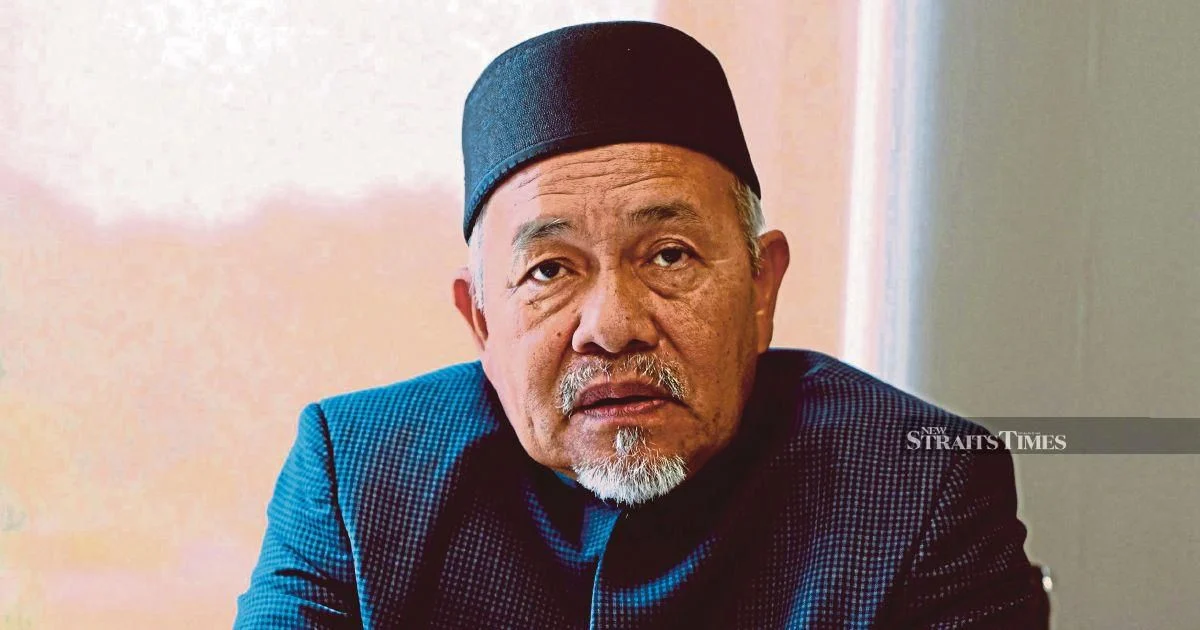
The opposition coalition Perikatan Nasional has completed a significant overhaul of its organisational structure, with senior figures indicating the moves are designed to fortify the alliance against mounting political challenges. The restructuring, announced in Kota Baru, reflects growing recognition within the coalition that internal alignment and streamlined decision-making will be critical as Malaysia navigates an increasingly fragmented political landscape.
Coalition leaders have framed the reorganisation as a strategic necessity rather than a response to immediate crises. By recalibrating how the alliance functions at the highest levels, Perikatan Nasional appears intent on projecting stability to both its base and the broader electorate. This timing suggests the coalition is preparing for a potentially fluid political environment where unity and clear governance messaging could determine electoral viability.
For Malaysian observers, the reshuffle carries implications that extend beyond internal party mechanics. Perikatan Nasional represents a significant political force that includes the Malaysian Islamic Party (Pas), the National People's Movement (Gerakan), and other regional actors. How effectively these disparate elements cohere will shape the country's opposition dynamics and, by extension, the competitive landscape for the next general election.
The restructuring effort underscores persistent tensions within Malaysia's coalition politics. The partnership between Islamist and secular-leaning parties within Perikatan Nasional has historically required careful management. This reorganisation may represent an attempt to create clearer operational frameworks that prevent the kind of public disagreements that have occasionally undermined the coalition's image.
Strengthening internal mechanisms also allows Perikatan Nasional to respond more nimbly to policy initiatives from the federal government. With the current administration pursuing various reforms and legislative agendas, having a more coordinated opposition structure enables faster policy analysis and counter-messaging. This institutional capacity matters significantly in parliamentary settings where timing and coherence of opposition contributions can influence public discourse.
The coalition's focus on consolidation reflects lessons learned from previous electoral cycles. Internal unity has proven crucial during campaign periods when competing parties within an alliance can either amplify or dilute messaging. A streamlined leadership structure potentially reduces the likelihood of contradictory public statements that confuse voters and undermine campaign effectiveness.
Regionally, Perikatan Nasional's restructuring may also signal its ambitions to become a more permanent fixture in Malaysian politics rather than a temporary electoral arrangement. Some previous coalition experiments have dissolved quickly after elections, but this structural investment suggests the partners envision a longer-term institutional presence. This approach mirrors how ruling coalitions typically invest in organisational development.
For the Malaysian business and international community, a more stable and coherent opposition can provide certain predictability in political dynamics. International investors and trading partners often prefer environments where there is a viable alternative government waiting in the wings, as it encourages accountability in the ruling administration.
The restructuring also comes against a backdrop of broader regional political shifts. Across Southeast Asia, opposition movements are experimenting with new coalition models and governance approaches. How Perikatan Nasional adapts its structure could offer lessons for other regional actors grappling with similar challenges of maintaining unity across ideologically diverse partners.
Challenges remain formidable for the coalition. Managing expectations between partners with different governance philosophies requires constant diplomacy. Islamic parties and secular elements within Perikatan Nasional must find workable compromises on policy priorities that satisfy core constituencies while remaining electorally competitive nationally.
The coalition's ability to translate structural improvements into actual political gains will ultimately depend on whether this reorganisation genuinely enhances decision-making speed and policy coherence. Voters respond to visible competence and clear positions on major issues, not organisational charts. The restructuring will only prove its worth if it translates into sharper political messaging and more effective parliamentary performance.
Looking ahead, Perikatan Nasional faces the test of converting internal consolidation into expanded electoral support. The coalition must also navigate the challenge of distinguishing itself from the ruling Pakatan Harapan administration without appearing obstructionist. Finding that balance while maintaining internal discipline remains the central strategic puzzle for Malaysian opposition politics moving forward.

