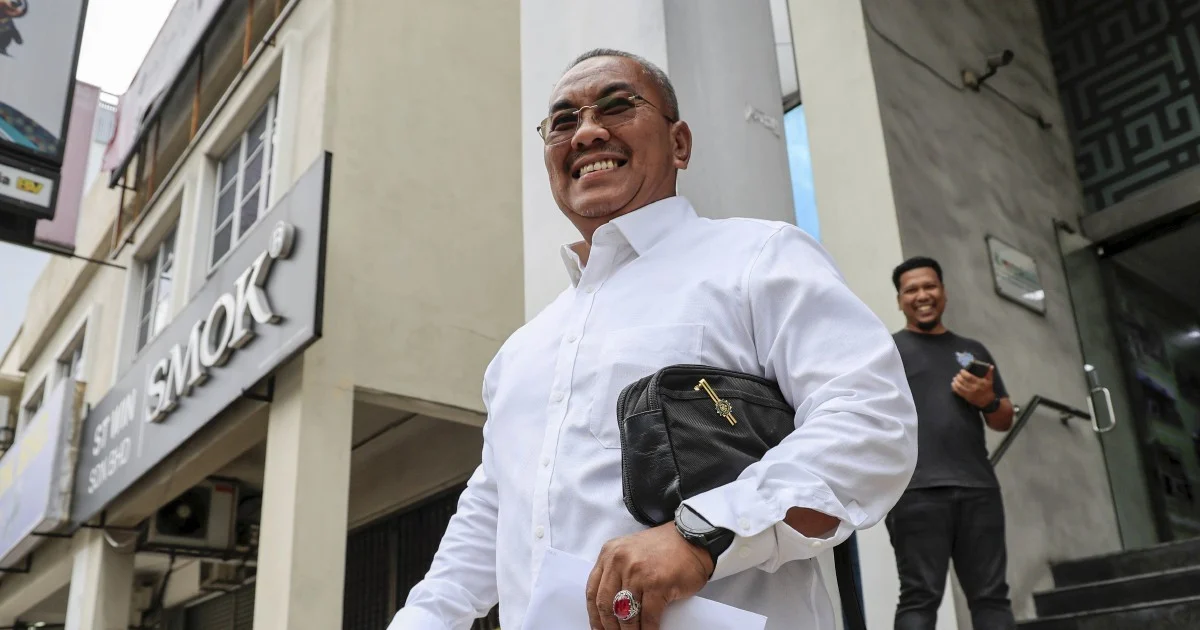
Perikatan Nasional has successfully concluded contentious seat negotiations for the upcoming Johor state election, with coalition election director Datuk Seri Sanusi Md Nor confirming that all disputes among member parties have been resolved. The breakthrough came after weeks of intense discussions, with the coalition managing to untangle competing claims over 34 seats that had previously created friction between its various components.
The resolution of these overlapping seat demands represents a significant milestone for the opposition coalition, which has faced internal pressures to maintain unity while balancing the interests of its diverse membership. Each component party within PN sought to maximise its electoral prospects, creating a complex negotiation landscape that required careful arbitration and compromise from the coalition leadership. The successful conclusion of these talks suggests that PN has managed to forge sufficient consensus among its ranks to proceed with a coordinated election campaign in Malaysia's southern state.
For Malaysian political observers, the significance of this development extends beyond mere seat allocations. Johor represents a strategically important battleground in Malaysian politics, with its 56 state assembly seats making it one of the largest electoral prizes outside Peninsular Malaysia's federal territories. The state has traditionally served as a bellwether for broader political trends in the country, and control of its government carries substantial implications for both the ruling Barisan Nasional coalition and opposition forces seeking to expand their influence.
The resolution of the 34 overlapping seats demonstrates how PN negotiators managed to navigate the inherent tensions that arise when multiple parties compete within a single coalition framework. Such negotiations typically involve complex calculations regarding party strength, electoral history, demographic considerations, and individual candidate viability. The fact that all disputed seats have now been allocated suggests that the coalition's leadership employed effective mediation techniques and possessed sufficient authority to enforce decisions across the membership.
Peking Sanusi's announcement arrives at a crucial juncture for PN's broader electoral strategy. The coalition has positioned itself as a significant force in Malaysian politics, and success in Johor could substantially enhance its credibility as a viable alternative government. Conversely, poor performance would raise questions about PN's electoral competitiveness and internal cohesion. The completion of seat negotiations removes a potential source of embarrassment and allows the coalition to present a unified front to Johor voters.
The resolution also carries implications for the participating parties individually. PAS, Bersatu, and other PN components will now be able to launch focused campaigns in their designated constituencies without the distraction of unresolved internal disputes. This clarity should enable more efficient resource allocation and candidate deployment, allowing parties to concentrate on messaging and ground organisation rather than internal wrangling.
From a Southeast Asian perspective, Malaysia's coalition politics frequently serve as a template for understanding opposition cooperation in other regional democracies. The ability of PN to resolve internal disputes through negotiation—rather than allowing them to fester or escalate into public conflicts—suggests a level of institutional maturity that could be instructive for other political formations seeking to build multi-party coalitions in competitive electoral environments.
The Johor election context itself warrants attention as it relates to broader Malaysian federalism and state-level politics. While national elections capture headlines, state contests frequently determine the quality of governance and resource distribution at the local level where most Malaysians directly experience government services. Johor's size and economic significance mean that its administration carries implications not just for Johor residents but for regional economic stability and performance across the southern corridor of Peninsular Malaysia.
The settlement of seat negotiations now opens a new phase of PN's campaign preparations. The coalition can proceed to finalise candidate selections, develop policy platforms, and mobilise grassroots support without the distraction of continuing internal disputes. This should allow campaign managers greater flexibility in allocating attention and resources to marginal constituencies where electoral outcomes remain uncertain.
Observers will now focus attention on how effectively PN can translate organisational unity into electoral support. While resolving internal disputes is a necessary condition for campaign success, it remains insufficient without corresponding effectiveness in voter outreach and persuasion. The months ahead will test whether PN's leadership can maintain the disciplinary standards necessary to keep component parties aligned throughout the campaign period, particularly if opinion polling suggests shifting electoral prospects.
The completion of seat negotiations also creates opportunity for Barisan Nasional to adjust its own strategy in response to PN's finalised approach. With the opposition's positioning now clarified, the ruling coalition can more precisely target its messaging and resource deployment. This dynamic illustrates how Malaysian coalition politics operates as an interactive process where moves by one political formation trigger compensatory adjustments by competitors.

