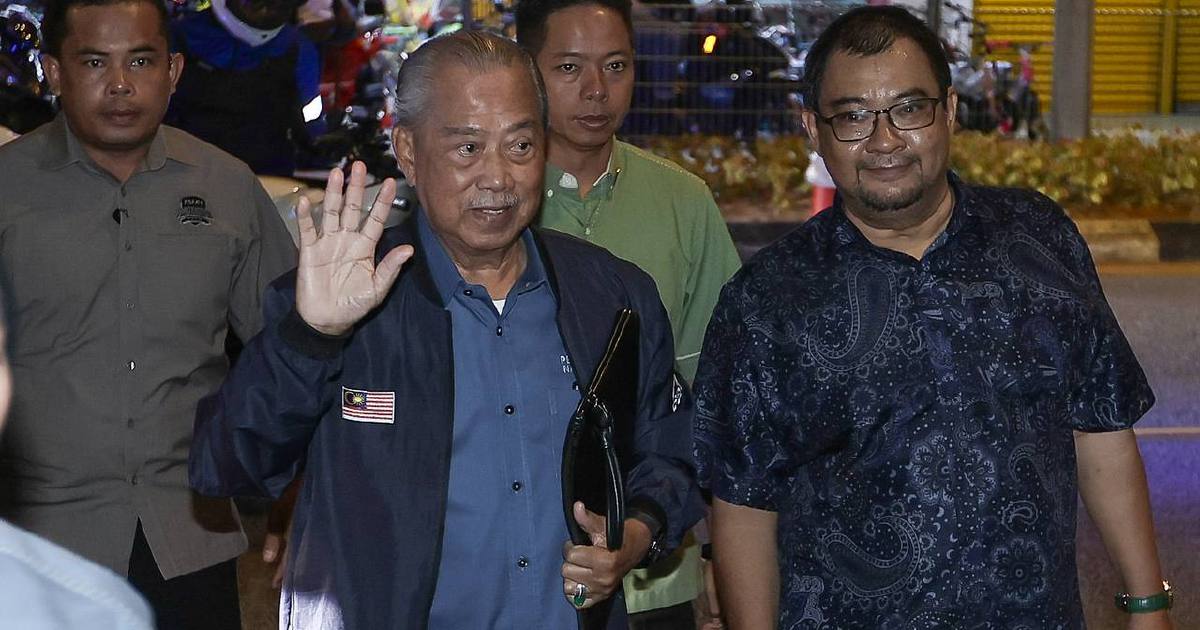
Perikatan Nasional's top leadership gathered for an emergency Supreme Council session in Kuala Lumpur that prioritised strengthening the opposition coalition's structure rather than addressing internal membership tensions. According to PN chairman Muhyiddin Yassin, the meeting examined broader coalition matters and pathways for incorporating additional political partners, reflecting the bloc's apparent focus on expansion at a time when Malaysian politics continues to shift rapidly.
The timing of the emergency convening raised speculation among political observers about whether internal disputes or external pressure might trigger such urgent action. However, Muhyiddin's framing of the agenda as forward-looking and inclusive suggested the leadership intended to project unity and strategic ambition rather than address festering grievances. The decision to emphasise potential new membership opportunities over scrutinising existing partners signals PN's calculation that growth represents a safer narrative than internal accountability.
Bersatu's position within the opposition alliance has remained a matter of considerable uncertainty since the coalition's formation. The party, founded by former Prime Minister Mahathir Mohamad, has navigated competing interests between its original Malay-Muslim base and its commitment to PN's multiracial framework. That this emergency meeting studiously avoided dissecting Bersatu's role hints at unresolved tensions beneath the surface, even if formal discussion did not occur.
For Malaysian political analysts, the distinction between discussing coalition matters and Bersatu's membership specifically carries weight. It suggests the Supreme Council preferred to look outward—identifying prospective partners—rather than inward at challenges affecting current members. Whether this represents diplomatic prudence or avoidance of a deeper crisis remains open to interpretation. The opposition bloc faces mounting pressure to consolidate and attract additional partners to strengthen its electoral prospects ahead of potential national polls.
Bersatu's historical relationship with PN has been complicated. The party entered the alliance during a period of flux, when Malaysia's political landscape was fragmented and opposition forces sought unity. However, Bersatu has maintained distinct ideological emphases and a particular appeal among rural and Malay-majority constituencies that sometimes diverge from other coalition partners' priorities. Internal friction over strategy, representation, and policy direction has simmered without erupting into formal splits.
Muhyiddin's public statement serves multiple audiences simultaneously. It reassures coalition partners that PN remains focused on strengthening the broader opposition movement, addresses grassroots expectations that the bloc will grow, and deflects potential criticism about internal governance difficulties. By anchoring the meeting's significance to new membership prospects, the PN chairman establishes a forward-momentum narrative that subordinates questions about existing member stability.
The strategic timing of this emergency session also reflects the volatile nature of Malaysian coalition politics. With federal and state governments composed of shifting alliances, and political defections occurring intermittently, opposition coalitions must constantly evaluate their competitive position. PN's eagerness to discuss expansion implies leadership confidence in the coalition's direction, or alternatively, a tactical need to appear dynamic and growing rather than defensive or shrinking.
For Southeast Asian politics more broadly, Malaysia's opposition dynamics carry significance. The region increasingly features multi-coalition competition, where opposition blocs must balance inclusivity with ideological coherence. PN's apparent choice to prioritise growth over internal consolidation reflects a calculation that scale matters more than perfect alignment, particularly when facing an incumbent government with control over state resources and electoral machinery.
Bersatu specifically faces questions about its long-term alignment. The party has previously held significant ministerial positions and harbours ambitions for substantive power. Whether its current role within PN as one partner among several satisfies those aspirations, or whether leadership contemplates alternative arrangements, remains unanswered. The absence of explicit discussion about Bersatu in the emergency meeting potentially shelters such considerations from public scrutiny.
The meeting's focus on potential new members also raises practical questions about which parties might qualify for PN membership. Various independent legislators, smaller political movements, and politicians dissatisfied with their current affiliations have been mentioned in informal discussions as possible recruits. Each potential addition carries demographic and ideological implications that could reshape the coalition's character and competitive positioning.
For ordinary Malaysians observing coalition politics, such gatherings often feel distant and opaque. Yet the composition and stability of opposition blocs directly influences electoral dynamics and government formation. An opposition coalition that grows stronger and more coherent represents a meaningful check on incumbent power. Conversely, a coalition fragmenting or becoming unstable favours governments already holding institutional advantages.
Muhyiddin's clarification that the emergency meeting avoided discussing Bersatu's specific membership status, despite addressing coalition membership broadly, illustrates the careful language political leaders employ when navigating sensitive internal matters. The statement simultaneously confirms that coalition expansion remains on the agenda while protecting Bersatu from public examination or potential embarrassment. Whether this approach ultimately strengthens or weakens PN's coherence as an opposition force will become apparent as Malaysian politics evolves toward the next electoral cycle.

