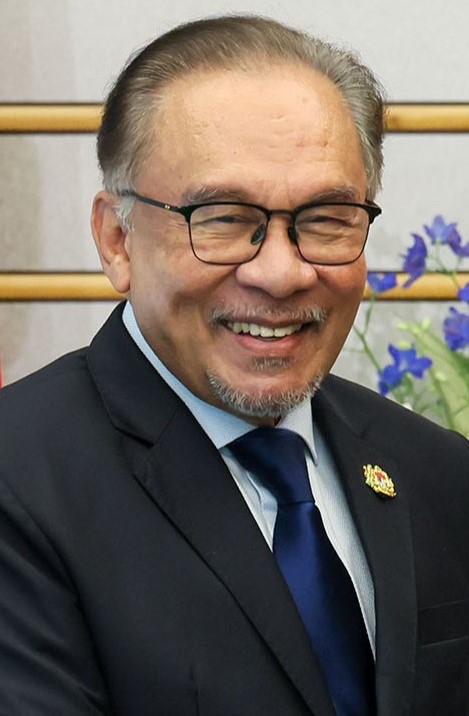
Prime Minister Datuk Seri Anwar Ibrahim has issued a national appeal for Malaysians across all sectors of society to embrace the spiritual and moral foundations embedded within the concept of Hijrah, positioning the Islamic principle as a unifying force capable of steering the nation towards greater truth, economic prosperity, and robust security.
The call reflects a deepening emphasis by the Prime Minister on anchoring Malaysia's development trajectory within Islamic values and principles. Hijrah, traditionally understood as the migration of Prophet Muhammad from Mecca to Medina in the seventh century, carries profound significance beyond its historical narrative. In contemporary usage, the term encompasses a broader philosophical meaning: a conscious turning away from falsehood and wrongdoing towards righteousness, accountability, and purposeful transformation at both individual and collective levels.
By invoking Hijrah as a national aspiration, Anwar has articulated a vision that resonates particularly within Malaysia's Muslim-majority population whilst maintaining inclusive undertones applicable to the nation's multiethnic and multifaith demographic composition. The framing suggests that the principles underlying Hijrah—honesty in governance, ethical conduct, and commitment to communal welfare—transcend religious boundaries and constitute universal values foundational to any functioning democratic society.
The emphasis on truth within the Hijrah framework carries particular weight given Malaysia's recent political history. The nation has grappled with documented cases of institutional corruption, financial mismanagement, and breach of public trust that have undermined citizen confidence in governance structures. Anwar's invocation of truthfulness as a cornerstone principle signals an intention to rebuild institutional integrity and establish transparent governance mechanisms that prioritise accountability at all governmental levels.
Prosperity remains another pillar of Anwar's Hijrah narrative. Economic development, when pursued through ethical frameworks, promises sustainable growth benefiting broader segments of society rather than concentrating wealth among connected elites. This positioning aligns with the government's broader socioeconomic agenda addressing inequality, youth unemployment, and middle-class stagnation—challenges that have accumulated through preceding administrations and continue constraining Malaysia's competitive positioning within the regional economy.
The security dimension of this appeal addresses mounting concerns regarding internal stability and external geopolitical challenges. Malaysia confronts multifaceted security threats ranging from transnational terrorism and organised crime to cyber threats and regional maritime disputes. The Hijrah principle, interpreted as a collective commitment to societal cohesion and rule of law, offers conceptual foundations for mobilising national resources and citizen participation in addressing these varied security imperatives.
Anwar's invocation of Hijrah also carries symbolic importance for his administration's legitimacy and ideological positioning. As a leader whose political trajectory has encompassed periods of imprisonment and reinvention, Anwar's personal narrative itself reflects themes of transformation and redemption central to Hijrah philosophy. This personal alignment strengthens the rhetorical power of his appeal, positioning him as an embodiment of the principles he advocates.
The call gains particular resonance against a backdrop of persistent political fragmentation. Malaysia's coalition government, formed following the 2022 elections, comprises diverse political entities with varied constituencies and ideological orientations. A unifying narrative grounded in shared Islamic principles offers a stabilising ideological framework capable of bridging divergent political interests and maintaining coalition cohesion during implementation of challenging economic reforms and policy adjustments.
For Malaysian citizens and policymakers, the practical implications of embracing Hijrah extend across multiple domains. In governance, it demands rigorous anti-corruption mechanisms and transparent decision-making processes. In economic management, it necessitates equitable resource distribution and policies prioritising sustainable development over short-term extraction. In security affairs, it requires coordinated, intelligence-led approaches grounded in community trust and institutional competence.
The appeal also situates Malaysia within broader Muslim-majority narratives regarding Islamic governance and modernisation. Many Islamic-majority nations grapple with questions regarding how traditional religious principles can inform contemporary governance whilst maintaining democratic pluralism and economic competitiveness. Anwar's formulation suggests that Islamic values, properly understood and implemented, constitute enablers rather than impediments to national progress and inclusive development.
Regional observers and international partners will likely scrutinise implementation of these principles, assessing whether rhetorical commitments translate into substantive institutional reforms and measurable improvements in governance indicators. Malaysia's credibility in positioning itself as a model of Islamic governance combined with democratic practice depends substantially on demonstrable progress in areas identified within the Hijrah framework.
Moving forward, the government faces the challenge of translating philosophical principles into concrete policy mechanisms and measurable outcomes. Whether Malaysia's diverse communities—Muslim and non-Muslim alike—ultimately embrace this moral framework as personally meaningful and institutionally effective will substantially determine both the administration's legitimacy and the nation's capacity to address accumulated development challenges whilst maintaining social cohesion.