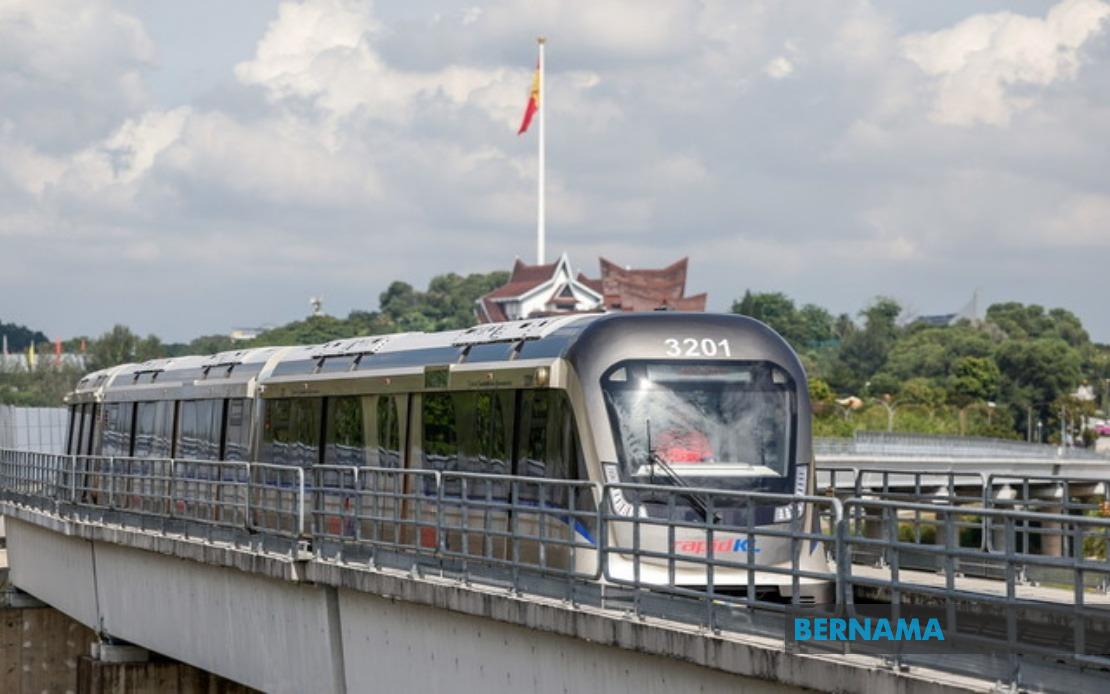
The Light Rail Transit 3 Shah Alam Line has reached completion and awaits passenger operations following an official ceremony scheduled for Sunday, June 28, when Prime Minister Datuk Seri Anwar Ibrahim will preside over the launch. The 37.8-kilometre corridor connecting Bandar Utama to Johan Setia represents a significant infrastructure milestone for the Klang Valley, bringing modern rapid transit connectivity to approximately two million residents distributed along its path. During the inauguration, the Prime Minister is expected to announce the precise commercial opening date and operational timetable for the 20-station network.
Mohd Ariffin Idris, the Shah Alam line chief, disclosed these details following a pre-opening media familiarisation ride, confirming that infrastructure development has been completed to specification. The comprehensive route encompasses diverse urban and suburban areas, with the first ten stations designated as Bandar Utama, Kayu Ara, BU 11, Damansara Idaman, Subang, Glenmarie 2, Kerjaya, Stadium Shah Alam, Dato' Menteri, and UiTM Shah Alam. The remaining stations on the southern segment include Seksyen 7 Shah Alam, Bandar Baru Klang, Pasar Klang, Jalan Meru, Jambatan Kota, Taman Selatan, Seri Andalas, Klang Jaya, Bandar Bukit Tinggi, and Johan Setia.
Intermodal connectivity forms a cornerstone of the line's operational strategy, facilitating seamless passenger transitions across the greater Klang Valley transit network. Commuters boarding at Bandar Utama will have direct interchange capabilities with the Kajang Line, while those utilising the Glenmarie 2 station gain access to the Kelana Jaya Line infrastructure. This interconnected approach positions the Shah Alam corridor as an integral component of the region's broader rapid transit ecosystem rather than as an isolated service.
To complement the rail infrastructure, Prasarana Malaysia Berhad has established an extensive first-and-last-mile solution comprising 40 feeder bus routes operating across 13 dedicated pathways with 323 combined stops throughout the service area. These conventional bus services function at an exceptionally low tariff of just RM1 per journey, operating continuously from 6 am until 11.30 pm to align with typical commuter demand patterns. Additionally, a supplementary Rapid On-Demand van network consisting of 44 vehicles has been deployed across 20 distinct zones, charging RM2 per trip during the same operational window.
The feeder transport ecosystem maintains operational flexibility as a fundamental design principle, with Mohd Ariffin indicating that route configurations and service frequencies will undergo continuous refinement based on actual ridership behaviour and emerging travel demand patterns once revenue service commences. This adaptive management approach recognises that theoretical demand projections often diverge from real-world usage, requiring operators to implement responsive modifications during the critical initial operational phase.
Parking facility provisions have been integrated into the network architecture, with dedicated vehicle storage available at Kayu Ara, Damansara Idaman, Pasar Besar Klang, Sri Andalas, Bandar Bukit Tinggi, and Johan Setia stations, collectively offering 2,300 parking bays to facilitate kiss-and-ride and long-stay commuter vehicles. This infrastructure addresses a persistent challenge in Malaysian transit development, where insufficient parking capacity at station precincts has historically limited ridership uptake in car-dependent suburban communities.
Operator projections indicate conservative passenger growth trajectories, with internal forecasts targeting 67,000 daily riders during the inaugural year of operation, escalating to approximately 117,708 daily journeys within the five-year operational horizon. These demand projections reflect assumptions about population growth, employment centre accessibility, and modal shift behaviour, though actual performance will depend substantially on fare competitiveness, service reliability, and complementary urban development patterns along the corridor.
Sustainability considerations have been embedded throughout the Shah Alam Line's physical infrastructure and operational specifications. Rolling stock incorporates inverter-based air conditioning systems designed to minimise energy consumption relative to conventional climate control configurations. Station architectural planning emphasises natural ventilation pathways and daylighting strategies to reduce reliance on mechanical cooling and artificial illumination during operational hours, thereby lowering the energy footprint across the entire network.
Accessibility provisions reflect contemporary standards for inclusive public transportation, with all 20 stations equipped with wheelchair-accessible ramps, disability-compliant sanitary facilities, and reserved seating allocations within each train carriage specifically designated for persons with mobility constraints. These design features acknowledge the diverse commuter population within the service corridor and represent compliance with accessibility best practices increasingly expected in modern transit infrastructure.
Future network expansion has been identified as a priority, with Prasarana committing to reconstruction works at five additional stations along the corridor designated as Tropicana, Raja Muda, Temasya, Bukit Raja, and Bandar Botanik. Construction activities for these enhancement projects are scheduled to commence by year-end, indicating a staged development approach aimed at progressively extending service coverage and station capacity as demand materialises. This phased expansion strategy allows operators to validate operational performance metrics and infrastructure adequacy before undertaking substantial capital investment in secondary network extensions.

