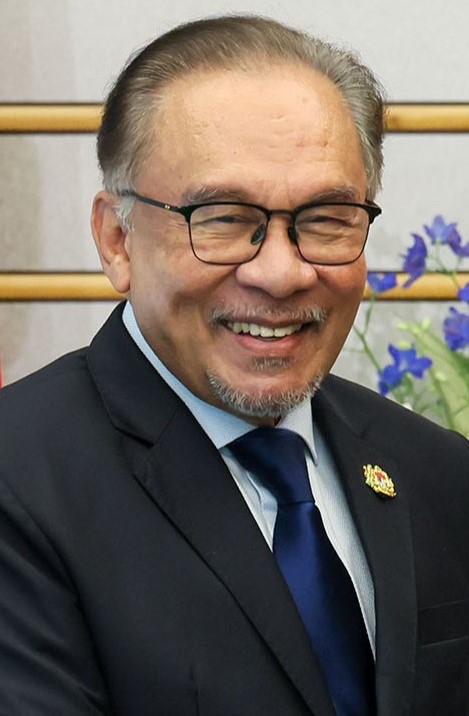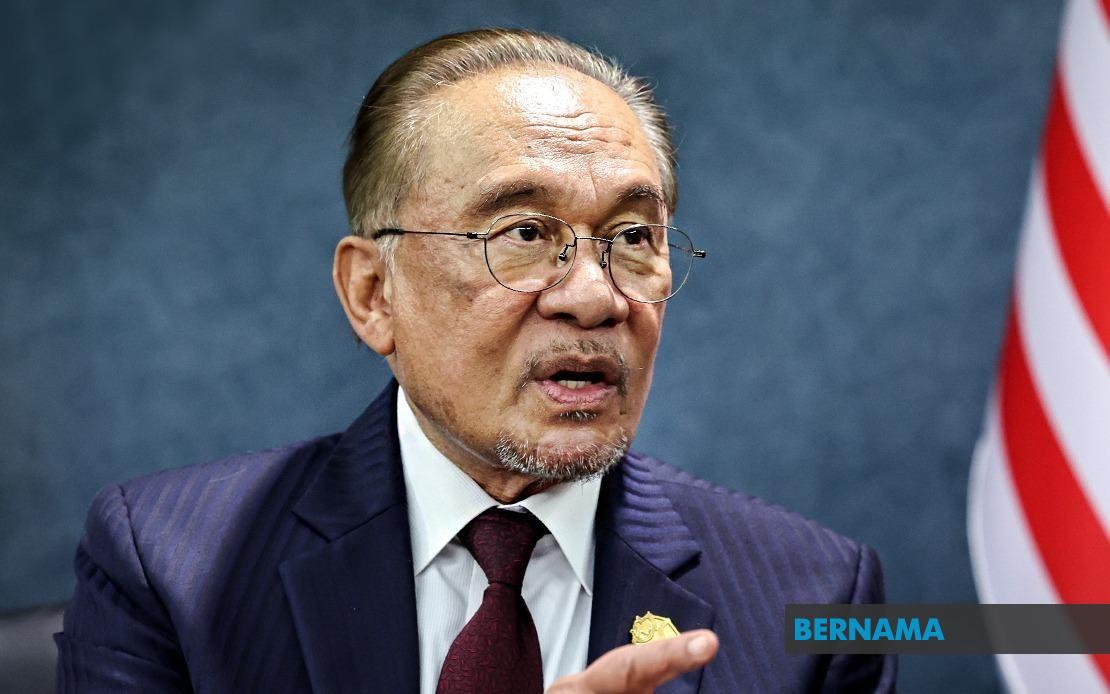
Prime Minister Datuk Seri Anwar Ibrahim is set to deliver a keynote address at the ASEAN-Russia Business Forum in Kazan, capitalising on a significant diplomatic occasion that celebrates more than three decades of engagement between Southeast Asia and Russia. His participation underscores Malaysia's commitment to deepening bilateral and multilateral relationships across the Eurasian region, while simultaneously showcasing the economic potential that underpins ASEAN-Russia cooperation. The address, delivered at Kazan IT Park, places Malaysia in a prominent position within ASEAN's strategic partnership framework with Moscow.
The forum represents a critical juncture in ASEAN-Russia relations, coming at a time when both blocs are reassessing their partnerships amid shifting geopolitical dynamics in Asia and Europe. Anwar, who holds the dual portfolio of Prime Minister and Finance Minister, brings considerable weight to Malaysia's representation, signalling the economic dimensions of this engagement. His presence at the business forum allows him to engage directly with corporate leaders and government officials from across ASEAN and Russia, facilitating conversations on investment opportunities, trade partnerships, and sectoral collaboration that extend beyond traditional diplomatic channels.
Kazan itself provides a symbolically resonant backdrop for these discussions. Situated approximately 800 kilometres east of Moscow at the confluence of the Volga and Kazanka rivers, the city functions as a cultural and economic bridge between the Russian and Muslim worlds. With a population exceeding 1.3 million and over a millennium of documented history, Kazan has earned recognition as Russia's third capital, reflecting its significance beyond Moscow and St Petersburg. The city's prominence as a centre of Islamic culture and heritage makes it particularly appropriate for an ASEAN summit, given the substantial Muslim populations across Southeast Asia and the shared cultural dimensions that often inform regional diplomacy.
The 2024 commemorative summit arrives at a pivotal moment in the relationship's evolution. Since establishing dialogue relations in 1991, the partnership has matured considerably, with Russia achieving full ASEAN Dialogue Partner status in 1996. The relationship was significantly elevated when it achieved Strategic Partnership designation in 2018, formalising commitments across political-security, economic, and socio-cultural domains. This year's gathering takes on added significance as participants mark the 35th anniversary of formal engagement, providing an opportunity to assess progress and chart courses for expanded cooperation during the coming years.
Beyond the business forum, Anwar's agenda includes attendance at the ASEAN-Russia Commemorative Summit Gala Dinner, scheduled for the Tatar State Academic Theater. The evening programme will feature a courtesy call on Russian President Vladimir Putin, affording Malaysia's delegation direct access to Russia's top leadership. Such high-level engagement signals the importance Russia places on its ASEAN partnerships and demonstrates Malaysia's central role within ASEAN's broader strategic architecture. These ceremonial and diplomatic elements complement the substantive business discussions, creating multiple pathways for advancing bilateral interests.
Trade and investment figures reveal the economic substance underpinning this diplomatic engagement. In 2024, total ASEAN-Russia merchandise trade reached USD18.1 billion, reflecting steady commercial activity despite various international constraints. Russian foreign direct investment in ASEAN stood at USD92.97 million during the same period, indicating growing corporate interest in Southeast Asian markets and opportunities. While these figures suggest room for expansion, they demonstrate tangible economic foundations supporting the political partnerships that leaders like Anwar are cultivating through summit participation.
Malaysia's own relationship with Russia underscores the significance of these multilateral platforms. Within the European context, Russia ranked as Malaysia's ninth-largest trading partner in 2025, with bilateral commerce totalling RM8.72 billion. This commercial relationship reflects deeper structural connections between the two economies that extend across multiple sectors. Malaysia's export profile to Russia emphasises electrical and electronic products, machinery, equipment components, and processed food items, representing the manufacturing and agro-industrial strengths that characterise Malaysia's export economy. Conversely, Malaysian imports from Russia concentrate on petroleum products, minerals, and chemical substances, reflecting Russia's traditional roles as an energy and commodity supplier.
The complementary nature of Malaysian and Russian trade patterns suggests untapped potential for deepening commercial engagement. Malaysia's sophisticated electrical and electronics manufacturing base could service Russian markets experiencing shortages or seeking diversification of supply chains. Similarly, Russia's position as a major energy exporter aligns with Malaysia's ongoing requirements for petroleum products and mineral inputs supporting industrial production. Bilateral trade relationships often benefit substantially from diplomatic attention and formal frameworks that reduce transaction costs and enhance predictability, making summit engagement particularly valuable for business communities seeking to expand cross-border operations.
ASEAN's engagement with Russia through mechanisms like the commemorative summit reflects the bloc's broader commitment to strategic autonomy and non-alignment principles. Rather than aligning exclusively with Western or Eastern powers, ASEAN has consistently pursued relationships across the international system based on perceived benefits and shared interests. Russia, despite regional tensions and international sanctions, remains a consequential actor in global affairs with whom Southeast Asian nations maintain dialogue. This diplomatic posture allows ASEAN members like Malaysia to preserve agency and flexibility in navigating complex international environments.
The evolution from dialogue relations to strategic partnership status represents a maturation of ASEAN-Russia engagement across multiple dimensions. Political-security cooperation encompasses areas such as counterterrorism, maritime security, and regional stability dialogue. Economic collaboration extends across trade, investment, energy, and technology sectors. Socio-cultural exchange programmes promote people-to-people contact and mutual understanding. This multifaceted approach recognises that sustainable international partnerships require depth beyond transactional commercial relationships, incorporating strategic alignment, cultural appreciation, and shared commitment to regional peace and prosperity.
Looking forward, the Kazan summit provides an opportunity to establish priorities for ASEAN-Russia cooperation during the coming years. Potential growth areas might include energy transition cooperation, given Russia's hydrocarbon expertise and ASEAN's energy requirements; technology partnerships leveraging Russia's strengths in mathematics, computing, and engineering; and expanded tourism and educational exchange strengthening people-to-people bonds. Malaysia's participation, especially through ministerial-level address, positions the country to influence these emerging agendas and ensure that Malaysian interests receive consideration within broader ASEAN strategies.
The summit also reflects Russia's efforts to maintain relevance within Asian affairs during a period when its attention has been heavily concentrated on European concerns. By hosting ASEAN leadership and emphasising the historical partnership, Russia signals its commitment to maintaining Asia-Pacific engagement despite preoccupations elsewhere. For ASEAN members, reciprocating this attention through high-level participation demonstrates respect for the relationship while reinforcing ASEAN's principle of treating all major powers as partners worthy of engagement. Malaysia's presence, therefore, serves multiple functions: advancing bilateral Malaysian interests, contributing to ASEAN's collective diplomatic objectives, and sustaining a regional architecture that preserves equilibrium among competing powers.