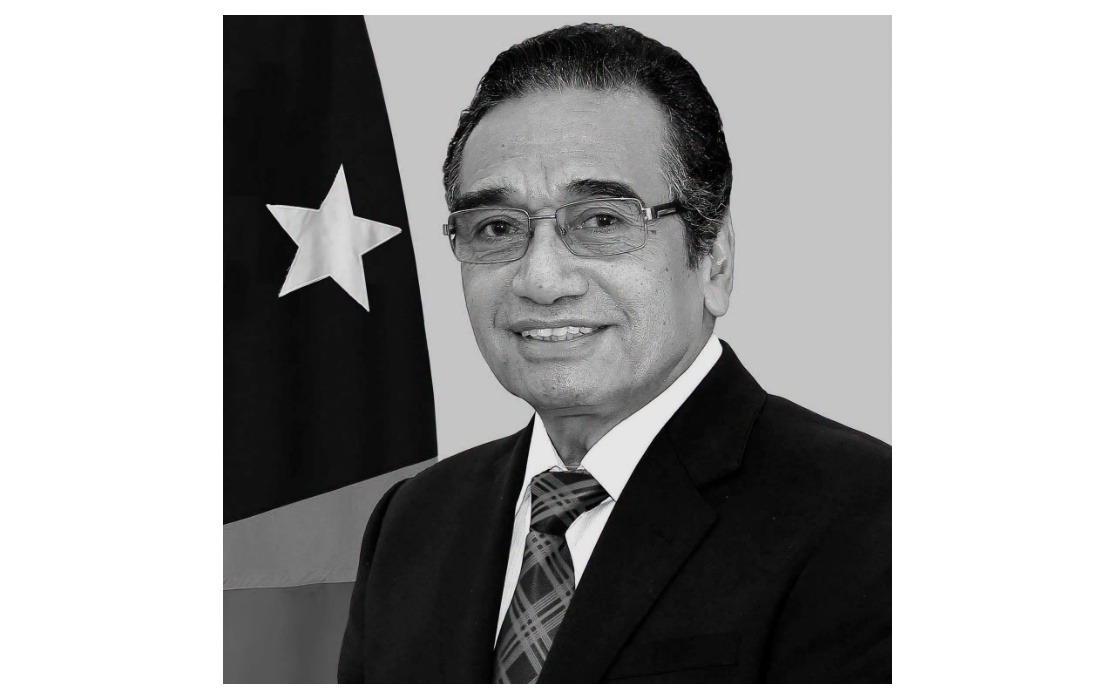
Prime Minister Datuk Seri Anwar Ibrahim has offered Malaysia's official condolences following the death of Francisco Guterres, the former president of Timor-Leste who passed away yesterday at Prince Court Hospital in Kuala Lumpur after undergoing intensive medical treatment. The 71-year-old was a towering figure in Southeast Asia's modern history, having played a decisive role in Timor-Leste's extraordinary journey from colonial rule to independent nationhood.
Anwar, through a Facebook announcement on June 22, emphasized Guterres' monumental contribution to his nation's struggle for self-determination and democratic development. The Malaysian Prime Minister acknowledged that the late Timorese leader represented an entire generation of freedom fighters who dedicated their lives to securing sovereignty and establishing the foundations of democratic governance in their homeland. This recognition underscores the deep historical resonance that figures like Guterres hold across Southeast Asia, particularly for nations that have undergone their own transitions to independence and democracy.
Guterres, who was affectionately known as Lú-Olo during his decades as a resistance activist, embodied the protracted struggle of the Timorese people against decades of foreign occupation. His long career in the independence movement transformed him into a symbol of resilience and unwavering commitment to national liberation. Following the achievement of independence, Guterres transitioned into formal political leadership, first as president of the National Parliament before ascending to the nation's highest office, demonstrating how many anti-colonial fighters successfully navigated the transition from armed struggle to democratic institution-building.
In his condolence statement, Anwar stressed that Malaysia mourns alongside the Timorese people, positioning the expression of sympathy within the broader framework of Southeast Asian solidarity and shared regional values. This rhetorical positioning reflects Malaysia's diplomatic approach to its eastern neighbors, particularly its commitment to maintaining robust bilateral relationships with fellow ASEAN members. The Prime Minister's personal engagement in conveying condolences through social media demonstrates the significance Malaysia places on its relationship with Timor-Leste, despite the geographic distance between the two nations.
Guterres served as Timor-Leste's president from 2017 until 2022, a period that encompassed critical phases of the young nation's consolidation as a sovereign state. His presidency came roughly 17 years after Timor-Leste achieved formal independence following the United Nations-supervised ballot in 1999, meaning his tenure represented a second generation of leadership navigating the complex challenges of nation-building. During his five-year term, Guterres presided over a country still grappling with post-conflict recovery, institutional development, and the need to establish itself within regional and international frameworks.
The timing of Guterres' death at a Malaysian medical facility carries particular significance for the region. Timor-Leste, as a developing Southeast Asian nation with health infrastructure still being strengthened, often relies on neighboring countries' advanced medical facilities for complex medical cases. That Guterres sought treatment in Kuala Lumpur reflects the practical reality of healthcare cooperation across ASEAN, where patients frequently travel to better-equipped regional centers for specialized care. His death in Malaysia also creates a poignant connection between the two nations at a moment of shared grief.
Guterres' legacy as a resistance fighter and statesman carries implications for contemporary Southeast Asian politics. He exemplified a particular type of post-colonial leader—one who had participated in armed struggle, adapted to democratic processes, and worked to institutionalize democratic norms. His generation's experiences with occupation and liberation have profoundly shaped regional perspectives on sovereignty, self-determination, and national resilience. These perspectives continue to influence how ASEAN nations approach questions of security, regional cooperation, and international relations.
The recognition of Guterres' passing by Malaysia's Prime Minister reflects diplomatic protocol but also genuine acknowledgment of an important regional figure. When national leaders like Anwar extend official condolences, they are not merely following ceremonial conventions; they are also affirming the importance of the deceased's contributions to shared regional history and values. In this instance, Anwar's statement positions Guterres within the broader narrative of Southeast Asian liberation and democratic development—themes that resonate across the region's diverse nations.
For Malaysian audiences, Guterres represents a connection to broader Southeast Asian narratives of independence and nation-building that, while distinct from Malaysia's own experience, share underlying themes of self-determination and institutional development. Understanding Guterres' significance helps contextualize Timor-Leste's place within ASEAN and the continued relevance of post-colonial leadership experiences to contemporary regional politics. The passing of such historical figures also serves as a reminder of how quickly generations of independence leaders are transitioning from active participation in regional affairs to historical memory.
Anwar concluded his condolence message by expressing confidence that Guterres would be remembered in Malaysia with respect and deep affection, suggesting that the late president had built meaningful relationships and positive impressions during his public career. This personal dimension—the quality of respect and affection rather than mere formal acknowledgment—suggests that Guterres had transcended the role of a distant regional political figure to become someone known and appreciated in Malaysian political and diplomatic circles. His death marks the end of an era for Timor-Leste and closes another chapter in the region's living memory of independence-era leaders.

