%22%2F%3E%3C%2Fpattern%3E%3C%2Fdefs%3E%3Crect%20width%3D%22100%25%22%20height%3D%22100%25%22%20fill%3D%22url(%23ph47jikg)%22%2F%3E%3Crect%20width%3D%22100%25%22%20height%3D%22100%25%22%20fill%3D%22url(%23ph47jikp)%22%2F%3E%3Ctext%20x%3D%2250%25%22%20y%3D%2250%25%22%20text-anchor%3D%22middle%22%20dominant-baseline%3D%22central%22%20fill%3D%22rgba(255%2C255%2C255%2C0.95)%22%20font-family%3D%22Georgia%2C%20'Times%20New%20Roman'%2C%20serif%22%20font-weight%3D%22700%22%20font-size%3D%22320%22%20letter-spacing%3D%22-0.02em%22%3EPM%3C%2Ftext%3E%3C%2Fsvg%3E)
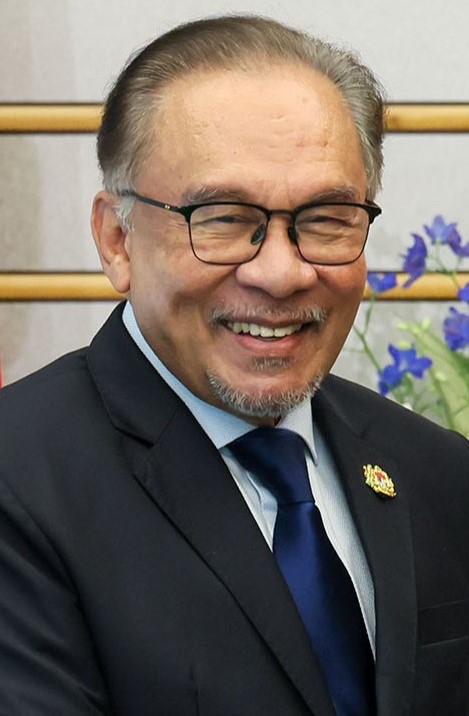
Prime Minister Anwar Ibrahim seized the opportunity during his visit to Kazan to outline Malaysia's approach to deepening ties with Russia and the broader Asean region, addressing pressing geopolitical and economic questions raised by international journalists. The discussions reflected an effort to position Malaysia as a thoughtful mediator in global affairs, willing to engage substantively on contentious international issues while maintaining focus on regional stability and economic prosperity.
The conversation touched on the multifaceted nature of Asean-Russia relations, a partnership that has gained prominence as regional states seek to diversify their diplomatic and commercial networks. Malaysia's role within Asean as a founding member and respected voice carries particular weight in such engagements, as the bloc increasingly seeks to navigate between major powers without compromising its central principle of non-alignment. The Prime Minister's remarks underscored how Southeast Asian nations view Russia not through the lens of Western geopolitical competition alone, but as a significant trading partner and cultural interlocutor with long-standing historical connections to the region.
Energy security emerged as a critical theme in the exchanges, reflecting Malaysia's acute awareness of global energy market dynamics and the region's vulnerabilities. As a nation heavily dependent on stable energy supplies and possessing its own hydrocarbon resources, Malaysia has substantial stakes in how Russia's energy relationships evolve, particularly given the continent's energy transitions and the shifting landscape of fossil fuel geopolitics. The discussion likely encompassed how Asean states can secure reliable energy access while also advancing their own sustainability commitments and long-term economic planning in an era of energy market restructuring.
Beyond the economic and strategic agenda, the Prime Minister's engagement with cultural topics—specifically Russian literature—served a broader diplomatic purpose. Such exchanges humanise international relations and build understanding between peoples, moving conversations beyond transactional government-to-government dealings. Russian cultural heritage carries significant weight in global intellectual discourse, and acknowledging this dimension of bilateral relations demonstrates a sophisticated understanding of how soft power and cultural affinity contribute to enduring partnerships.
The humanitarian dimensions that formed part of the discussion reveal Malaysia's commitment to universal values that transcend geopolitical divisions. As a Muslim-majority nation with strong commitments to human rights and international humanitarian law, Malaysia consistently emphasises the importance of protecting civilians and adhering to international norms, regardless of which nations are involved in disputes. This balanced stance—neither ignoring humanitarian concerns nor allowing them to overshadow pragmatic engagement—characterises Malaysia's diplomatic approach and informs how it conducts relations with all major powers.
Malaysia's willingness to engage substantively with Russia at the international level carries implications for Asean's broader strategic positioning. The bloc has faced increasing pressure to take stronger stances on various international conflicts, yet maintains its commitment to dialogue and non-interference in internal affairs. By articulating a vision of Asean-Russia cooperation rooted in mutual benefit and respect for sovereignty, Malaysia reinforces the regional grouping's desire to maintain space for meaningful engagement across traditional geopolitical divides.
The timing of these discussions during a formal visit to Kazan carries symbolic weight, demonstrating Malaysia's continued commitment to direct diplomatic channels with Russia despite international pressures. This approach reflects confidence in Malaysia's ability to maintain independent foreign policy judgments, engaging with multiple parties while prioritising national interests and regional stability. For Malaysian audiences, such engagement signals that the government remains attentive to opportunities for advancing trade, investment, and cooperation across diverse sectors.
The Prime Minister's articulation of these positions also addresses domestic constituencies in Malaysia and Southeast Asia who understand that the region's prosperity depends on maintaining pragmatic relationships with multiple global powers. As the international system experiences significant realignment, maintaining dialogue channels and exploring areas of mutual benefit becomes increasingly valuable. Energy cooperation, cultural exchange, and humanitarian coordination represent areas where cooperation can advance despite broader geopolitical disagreements.
Further, the discussion underscores how Malaysia and Asean approach the principle of constructive engagement—believing that dialogue remains preferable to isolation or confrontation. This philosophy, rooted in the region's own experience of resolving conflicts through negotiation and mutual respect, offers a distinctive perspective on international relations that contrasts with more zero-sum approaches to geopolitics. By actively engaging with Russia on multiple fronts while maintaining its humanitarian commitments, Malaysia demonstrates that these positions need not be mutually exclusive.
The exchanges in Kazan represent part of Malaysia's broader effort to shape how Asean is perceived and operates on the global stage. Rather than being passive recipients of great power dynamics, Southeast Asian nations increasingly assert their agency in international affairs, engaging all sides while protecting regional interests. Prime Minister Anwar's engagement exemplifies this approach, using diplomatic platforms to articulate Malaysia's vision of a multipolar world where smaller and medium powers maintain meaningful voice and influence.
Looking forward, these discussions may yield concrete outcomes in energy cooperation, trade arrangements, and cultural exchanges that benefit Malaysian stakeholders directly. They also reinforce Malaysia's position within Asean as a nation capable of sophisticated diplomatic engagement, balancing multiple interests and maintaining principled stances on humanitarian issues without abandoning pragmatic cooperation. As global alignments continue to shift, such balanced engagement becomes increasingly valuable for a nation seeking to maximise opportunities while minimising vulnerabilities in an uncertain international environment.