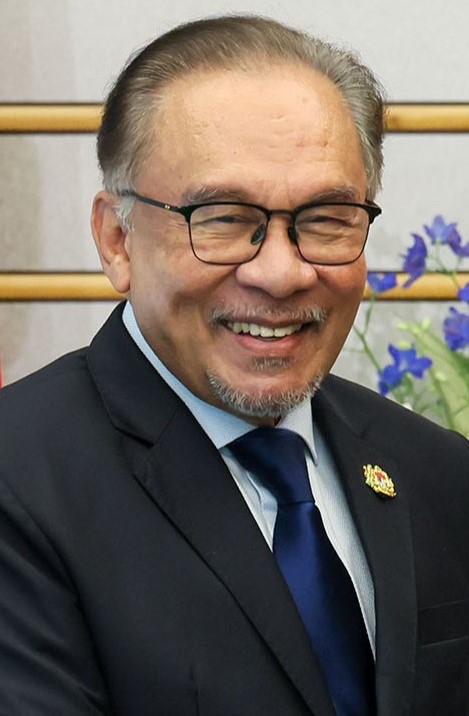
Prime Minister Datuk Seri Anwar Ibrahim and his wife Datuk Seri Dr Wan Azizah Wan Ismail have conveyed their sympathy to Women, Family and Community Development Minister Datuk Seri Nancy Shukri following the passing of her husband, Datuk Kamil Misuari, who died at a Kuala Lumpur hospital on the evening of June 18. The Prime Minister's office shared a message of support on social media platforms, offering prayers for the minister and her family during what is described as a difficult period.
In his statement, Anwar expressed hope that Nancy and her immediate family would find the inner strength and resilience necessary to navigate the challenges ahead. The Prime Minister's message reflected customary expressions of faith, invoking blessings for the deceased and requesting forgiveness of any shortcomings in life, while also praying that Kamil's good deeds would be remembered and rewarded in the hereafter.
Kamil, who was 65 years old, had been married to Nancy since 1985, a union that resulted in three children. The couple's nearly four decades together represented a significant partnership spanning major developments in Malaysian governance and society. The Office of the Minister of Women, Family and Community Development formally announced the death through an official statement released to media outlets, confirming the location and timing of the passing.
Arrangements have been made to transport the deceased's remains to Sarawak the following day, with funeral rites scheduled to take place at Samariang Muslim Cemetery in Kuching. This relocation reflects the family's ties to East Malaysia and their decision to conduct final rites in the state, a common practice among prominent Malaysian families with ancestral or residential connections to particular regions.
The death comes during a period when Nancy has held responsibility as the minister overseeing women's development, family welfare, and community cohesion—a portfolio that involves significant engagement with Malaysian society across multiple demographics. Her ministerial role has placed her at the forefront of policy discussions regarding family structures, social support systems, and women's advancement in the country, making her a visible figure in the current administration's efforts to address these areas.
Prime ministerial expressions of condolence at such moments serve multiple functions within Malaysia's political and social framework. They underscore the bonds of solidarity within the government structure while also signaling respect for the individual minister and recognition of her contributions to public service. The inclusion of Dr Wan Azizah in the statement further emphasizes family-level support, a gesture that carries cultural significance within Malaysian society.
The timing of such losses occasionally prompts reflection on the personal dimensions of political life, reminding observers that those holding high office also experience the universal experiences of grief and loss alongside their public responsibilities. Nancy's continued tenure and her ability to manage both personal tragedy and ministerial duties will likely be subjects of public observation in the weeks following the funeral.
Social media has become the primary vehicle for such official expressions in contemporary Malaysian governance, allowing immediate and wide dissemination of government messages while creating a public record of institutional compassion and recognition. This approach reflects broader shifts in how government communicates with citizens and how news of significant events reaches the broader population.
The funeral arrangements in Sarawak underscore the continued importance of regional ties among Malaysia's political establishment, with leaders and their families often maintaining strong connections to their home states or areas of significant family history. Such practices reflect the federal nature of Malaysian governance and the enduring role of state-level identity within the national political structure.