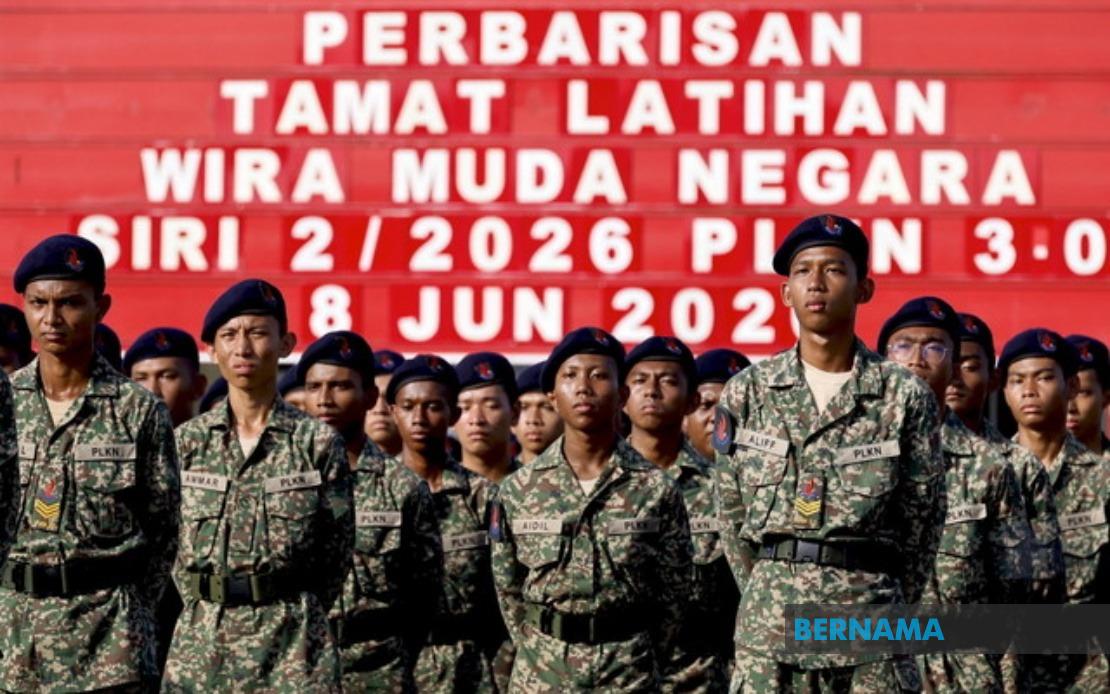
Malaysia's upgraded National Service Training Programme, known as PLKN 3.0, has successfully achieved every key performance indicator set by the Defence Ministry, according to findings presented in Parliament this week. Deputy Defence Minister Adly Zahari announced the results of comprehensive impact studies conducted across the programme's training cohorts, revealing measurable advances in human capital development among the young people who have participated thus far.
The assessment framework focused on six critical dimensions of personal and civic development. Trainees were evaluated on their grasp of patriotism, their capacity to work towards national unity, their discipline and ability for self-transformation, their mental resilience and emergency preparedness, foundational military knowledge, and commitment to volunteerism. The ministry established a baseline requirement that participants must demonstrate at least 80 per cent proficiency in each of these areas following their training period.
The evaluation process itself employed a robust methodology, incorporating pre-training and post-training surveys alongside formal impact studies. This research was conducted collaboratively with Universiti Malaysia Sabah and the National Defence University of Malaysia, lending academic credibility to the findings. The data from the second cohort of trainees in 2024 provided the basis for Adly's parliamentary statement, offering the most recent snapshot of programme effectiveness.
Military knowledge emerged as the standout success story within the PLKN 3.0 curriculum. Participants entered the programme with a baseline understanding of 56 per cent, but this figure climbed substantially to 84 per cent following completion of their training modules. This 28-percentage-point improvement represents the most dramatic transformation recorded across all measured dimensions, suggesting the programme's tactical and defence-related instruction successfully translates theory into comprehension among diverse participant groups.
Other metrics demonstrated similarly encouraging trends. Patriotism levels strengthened from an already-respectable 82 per cent to 88.98 per cent, indicating that the programme reinforces national consciousness among young participants. Unity scores experienced a nine per cent overall increase, while discipline and self-transformation capacity nearly reached the 93 per cent mark, climbing from 77.36 per cent baseline to 92.6 per cent. Mental resilience similarly advanced from 71 per cent to 83 per cent, suggesting trainees develop greater psychological fortitude through their experience. Volunteerism saw a more modest but still meaningful improvement from 75 per cent to 83 per cent.
The ministry has moved beyond treating PLKN 3.0 purely as a training initiative by securing practical employment advantages for graduates. Five public sector appointing authorities have agreed to grant additional merit points to eligible programme alumni during recruitment and hiring processes, effectively creating a tangible career benefit that extends the programme's value proposition beyond skills development into economic opportunity.
Accessibility remains a priority within the programme's design philosophy. Recognizing Malaysia's socioeconomic diversity, PLKN 3.0 deliberately incorporates participants from all backgrounds, including intentional outreach to B40 and rural populations. The integration of Technical and Vocational Education and Training elements into the curriculum addresses skills gaps in communities that may have limited access to quality vocational preparation, aligning with broader government initiatives to develop human capital across income strata.
Participation figures reveal the programme's expanding reach. To date, 3,404 trainees have completed PLKN 3.0 modules, comprising 1,202 participants in the inaugural year and 2,202 in the current training series. The ministry has set an ambitious target of 4,200 participants by year-end, achievable through the three operational training camps currently in service. Planning is already underway for nine additional camps, which would dramatically expand annual capacity to 9,200 trainees, suggesting confidence in the programme's viability and effectiveness.
The scale-up trajectory raises important questions about quality maintenance as the programme expands. Infrastructure development and instructor recruitment will be critical factors in ensuring that new facilities maintain the training standards that have produced these positive outcome metrics. The collaboration with established universities throughout evaluation suggests the ministry is committed to evidence-based refinement as the programme matures.
Adly also addressed a common practical challenge affecting recruitment: approximately 1.2 per cent of selected candidates fail to report for training. Health concerns and ongoing educational commitments represent the primary reasons cited for non-participation, reflecting the genuine competing priorities that Malaysian youth face. This attrition rate, while manageable, hints at the importance of flexible scheduling and perhaps targeted support for participants managing multiple obligations.
For Malaysian policymakers, PLKN 3.0 represents a significant investment in youth development at a time when regional demographic trends favour nations that successfully cultivate engaged, disciplined, and capable young adults. The programme's success in advancing military knowledge and mental resilience carries particular significance for a country that values both national security consciousness and psychological well-being among its population. The demonstrated improvements across all metrics suggest that intentional, structured investment in youth development yields measurable returns that extend far beyond the training period itself.

