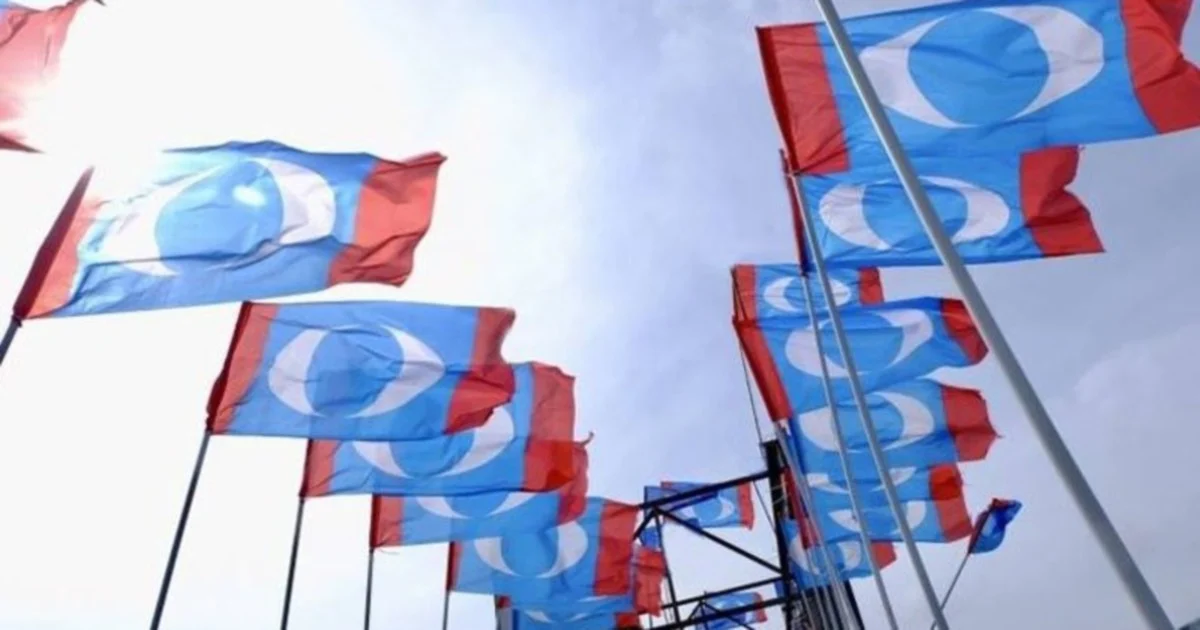
The People's Justice Party (PKR) is on the verge of finalising its candidate nominations for the soon-to-be-held state elections in Johor and Negri Sembilan, with party secretary-general Datuk Dr Fuziah Salleh confirming that the vetting and selection process has reached an advanced stage. Speaking in Johor Baru, Dr Fuziah revealed that the candidate list stands at 99 per cent completion, indicating that only minor administrative details and final confirmations remain before the party submits its complete roster to the elections commission.
The near-completion of PKR's candidate selection represents a significant milestone in the coalition's election preparations, reflecting the internal groundwork that has taken place behind the scenes. The process of identifying, evaluating, and selecting suitable candidates across multiple constituencies is an intricate undertaking that requires careful consideration of each nominee's credentials, local standing, and electoral viability. For a party competing in two states simultaneously, the logistical and political complexities multiply considerably, making the achievement of 99 per cent readiness a noteworthy feat in advance of formal campaigning.
The timing of this announcement carries strategic weight within Malaysia's current political landscape. As a key component of the Pakatan Harapan coalition, PKR's performance in Johor and Negri Sembilan will significantly influence the broader coalition's fortunes in these traditionally competitive regions. Johor, in particular, represents a bellwether state where electoral dynamics have shifted considerably over recent cycles, making candidate selection crucial to the coalition's prospects. The near-final status of the candidate list suggests that PKR leadership has navigated internal deliberations successfully, presenting a united front as the party enters the campaign phase.
The candidate finalisation process typically involves multiple rounds of interviews, background checks, and consultations with local party divisions to ensure that nominees possess both the credentials and grassroots support necessary to mount effective campaigns. For PKR, which has experienced significant growth and organisational changes in recent years, maintaining internal cohesion while selecting candidates who can appeal to diverse voter demographics remains a persistent challenge. The 99 per cent completion figure indicates that most controversial selections have likely been resolved and that the remaining outstanding matters are probably of a technical rather than substantive nature.
Negri Sembilan presents its own set of electoral considerations distinct from Johor's political environment. The state has historically been competitive between Barisan Nasional and opposition alliances, with recent elections demonstrating volatile voter preferences. PKR's ability to field competitive candidates in Negri Sembilan will depend partly on its capacity to balance representing established party structures with incorporating fresh faces capable of attracting younger voters and first-time participants. The candidate list's completion suggests that the party has reconciled these considerations across the state's constituencies.
The announcement by Dr Fuziah also carries implications for coalition dynamics within Pakatan Harapan. Different coalition partners—DAP, PKR, and Amanah—must coordinate their candidate deployments to avoid internal competition and maximise the opposition's collective strength. PKR's advanced state of readiness likely reflects ongoing negotiations with coalition partners regarding seat allocations and campaign synchronisation. The completion of candidate lists across coalition members typically occurs in coordinated fashion to present a cohesive united front to voters.
For Malaysian voters in both states, the finalisation of candidate lists now opens the pathway toward detailed campaign discourse on policy platforms and local issues. Rather than remaining in the realm of internal party speculation, the electoral contest can now centre on substantive differences between candidates and competing visions for development and governance. This shift from selection to presentation represents a natural progression in the electoral cycle, allowing voters to make informed choices based on detailed information about their options.
The 1 per cent of outstanding candidate selections that remains suggests either minor administrative confirmations or possible last-minute adjustments responding to unforeseen circumstances. Political parties typically retain this final margin for flexibility, recognising that unexpected developments—candidate withdrawals, health issues, or compliance matters—can necessitate substitutions right up to the official submission deadline. PKR's disclosure of the 99 per cent figure rather than claiming complete finality reflects the realistic operational challenges inherent in large-scale candidate selection across multiple states.
Regionally, PKR's progress in candidate finalisation positions the party competitively ahead of the formal election calendar. The party's readiness demonstrates serious commitment to contesting these elections with thoroughly vetted candidates, avoiding the impression of last-minute decision-making that could undermine campaign credibility. For Southeast Asia's broader democratic discourse, transparent communication about election preparations—such as Dr Fuziah's public confirmation—contributes to confidence in electoral processes and institutional professionalism.
The completion of candidate selection now requires PKR to execute effective campaign strategies utilising its finalised roster. The quality of candidates alone does not determine electoral outcomes; their ability to connect with constituents, articulate party platforms persuasively, and mobilise voter support within their local areas remains paramount. The candidate list's completion thus marks the conclusion of one critical phase and the commencement of another, wherein the party must activate its nominees and coordinate their respective campaigns toward victory.
Moving forward, PKR and its coalition partners face the imperative to transform candidate lists into election victory. The near-completion of nominations provides a clear signal that the party is serious about these contests, has invested substantial organisational effort in preparation, and possesses concrete readiness to contest multiple constituencies simultaneously. As Johor and Negri Sembilan voters await the official campaign commencement, PKR's advanced state of candidate preparation suggests that the coalition intends to contest these elections with purpose and systematic preparation, marking a departure from less organised approaches that have characterised some previous electoral cycles.

