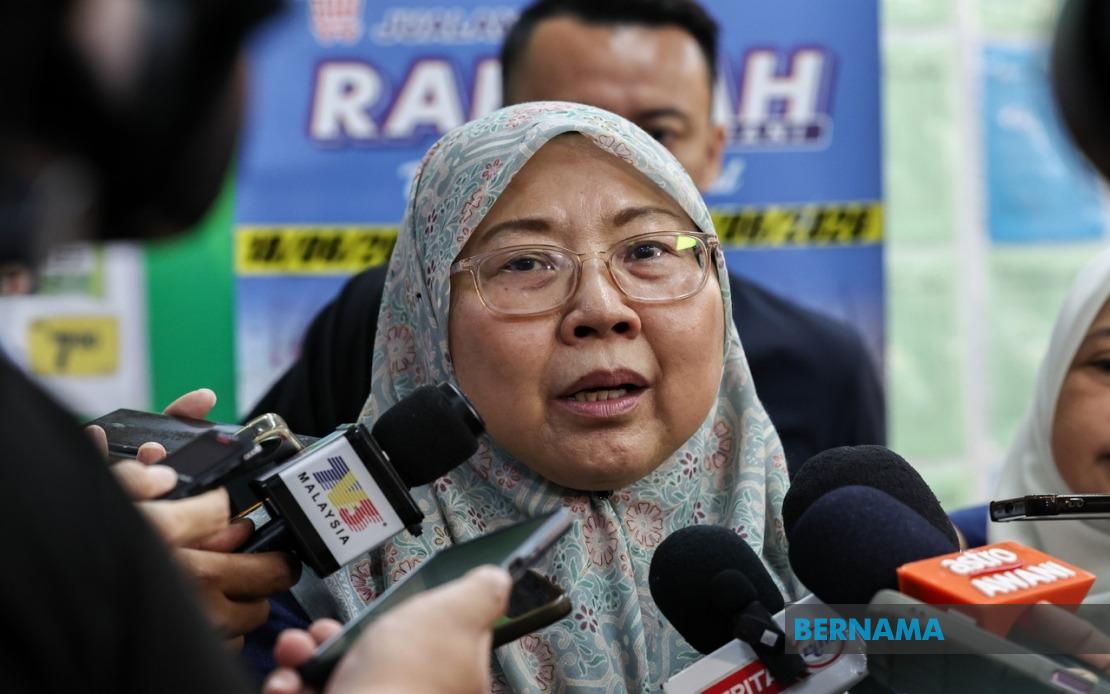
PKR's candidate selection process for the impending state elections in Johor and Negeri Sembilan has reached an advanced stage, with party secretary-general Datuk Dr Fuziah Salleh confirming that the slate is 99 per cent finalised. The party will field candidates for 20 constituencies in Johor and 16 in Negeri Sembilan, positioning itself for a significant electoral challenge against the ruling Barisan Nasional coalition and other contenders in both states.
The formal unveiling of PKR's candidates is anticipated within the coming days, marking a crucial moment for the coalition's wider Pakatan Harapan alliance as it prepares for simultaneous contests in two crucial peninsular states. According to Fuziah, the party has prioritised presenting a cross-generational candidate roster that encompasses both seasoned politicians and newcomers, deliberately incorporating women and younger members to broaden its appeal and reflect Malaysia's demographic diversity. However, the exact proportion of debut candidates remains under wraps pending the official launch, suggesting the party leadership is reserving details for strategic release.
The candidate finalisation comes as PKR navigates a contentious internal dispute with its Pakatan ally Amanah over the Puteri Wangsa seat in Johor. Amanah's leadership has objected to PKR's claim on the constituency, which PKR asserts was previously loaned to the Malaysian Democratic Alliance Party (MUDA) during the 2022 state election. Rather than resolving this friction at the grassroots level, Fuziah delegated the matter to senior figures from both component parties, indicating that coalition tensions over seat allocations persist despite the public facade of unity.
This seat dispute underscores a recurring challenge within Pakatan Harapan: managing rival ambitions among coalition members while maintaining electoral credibility. The Puteri Wangsa disagreement is emblematic of deeper structural issues within the opposition alliance, where negotiations over constituency distribution frequently create friction and threaten to undermine the unified messaging necessary for competitive campaigns. Both PKR and Amanah must navigate their competing interests while presenting a coherent front to voters who expect coalition partners to demonstrate cohesion.
Johor's electoral landscape presents formidable challenges for Pakatan. The state assembly comprises 56 seats, and prior to its dissolution on June 1, Barisan Nasional commanded a dominant 40-seat majority. Pakatan held only 12 seats, while Perikatan Nasional secured three and MUDA one. This distribution reflects the coalition's significant electoral disadvantage in a state where rural constituencies and traditional voting patterns have historically favoured the establishment. With polling scheduled for July 11 following nominations on June 27, campaigning must occur during Malaysia's humid monsoon season, potentially limiting public engagement.
Negeri Sembilan presents a comparatively more competitive arena, where the pre-dissolution alignment differed substantially from Johor. The 36-seat assembly saw Pakatan Harapan holding 17 seats against Barisan Nasional's 14, with Perikatan Nasional holding five. This narrower gap suggests Negeri Sembilan remains genuinely contestable, offering Pakatan realistic prospects of either maintaining influence or potentially improving its position. The Negeri Sembilan contest follows a different electoral calendar, with nominations on July 18, early voting on July 28, and polling on August 1, allowing PKR additional weeks to refine campaign strategies based on Johor's outcome.
PKR also confronts an internal disciplinary matter involving Subang Member of Parliament Wong Chen, who publicly challenged the party to expel him following a formal investigation. According to Fuziah, this case has been referred to the party's Disciplinary Board, signalling that party mechanisms are addressing the matter through established procedures. The Wong Chen situation reflects broader tensions within PKR regarding internal governance and the balance between maintaining party cohesion and permitting individual expression among elected representatives.
The timing of both elections carries significance for Malaysian politics beyond the immediate contests themselves. These simultaneous state ballots represent the first major electoral tests since the May 2023 general election, providing crucial indicators of voter sentiment regarding the Anwar Ibrahim administration's performance. Results will reverberate through federal political calculations, influencing both government stability and opposition dynamics heading toward potential future national polls. Johor, as Malaysia's economic powerhouse and traditional Umno stronghold, receives particular scrutiny from political analysts and observers assessing Barisan Nasional's resilience and Pakatan's capacity to penetrate long-held opposition constituencies.
For Malaysian voters and political observers, these elections represent a critical juncture in evaluating whether Pakatan Harapan's 2022 parliamentary gains translate into sustained state-level competitiveness, or whether Barisan Nasional's structural advantages prove decisive. The elections will test PKR's candidate quality, campaign messaging, and ground organisation against experienced state-level competitors. Moreover, the contests offer insight into whether Malaysia's electorate demonstrates preference for coalition stability or appetite for political change, considerations that extend far beyond the immediate electoral contests to shape the nation's broader political trajectory.

