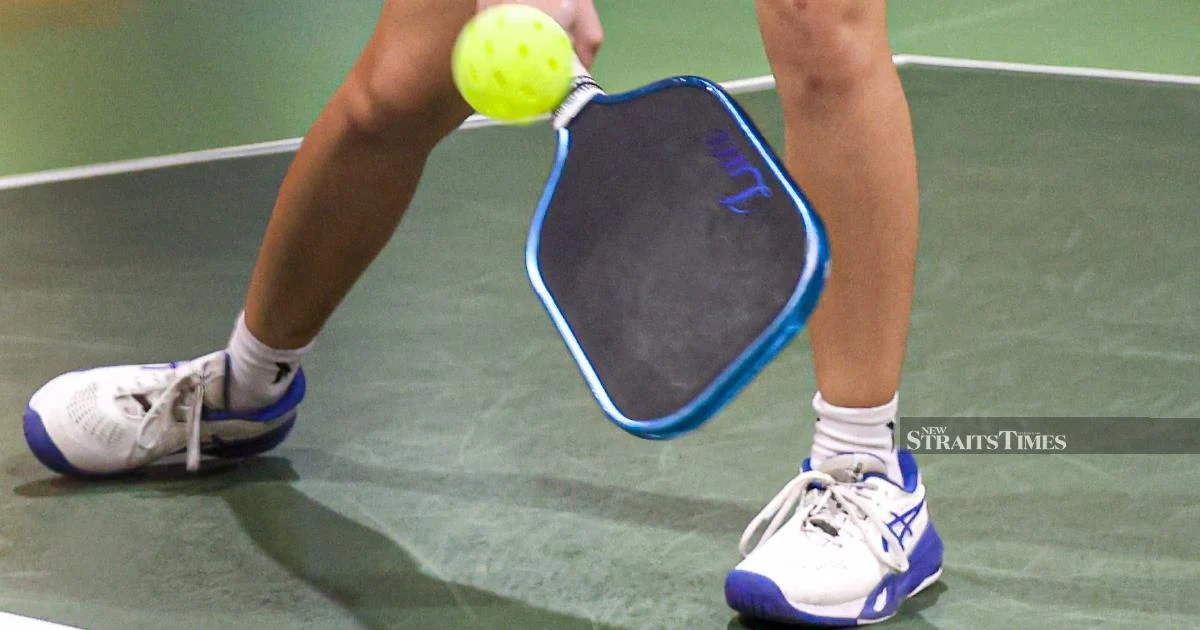
A heated dispute over nighttime pickleball activity in Petaling Jaya has opened broader discussions about how Malaysian municipalities should regulate recreational sports facilities, particularly in densely populated residential zones. The incident, which gained traction on social media, has exposed gaps in existing protocols for approving court locations and managing operational schedules that directly affect neighbouring communities. Local government officials and residents now face mounting pressure to establish clearer guidelines that balance the growing popularity of pickleball with the rights and wellbeing of people living nearby.
Pickleball has experienced remarkable growth across Malaysia over the past several years, transforming from a niche sport into a mainstream recreational pursuit embraced by thousands of players across various age groups. The sport's accessibility, relatively low cost of entry, and social appeal have made it particularly attractive to urban communities seeking convenient exercise and leisure options. However, this rapid expansion has outpaced the development of comprehensive regulatory frameworks, leaving many councils scrambling to address issues that emerge as facilities proliferate throughout residential and mixed-use areas. The Petaling Jaya incident exemplifies the real-world consequences when supply of new courts grows faster than planning infrastructure can accommodate.
The specific grievance centres on noise disturbance during extended evening hours, when players were reportedly using the court well into the night, disrupting sleep patterns for residents in adjacent properties. Witnesses describe the sound of balls striking paddles, players calling out scores, and general activity noise continuing past times when most residential areas expect relative quiet. For families with young children, shift workers, and elderly residents, such disruptions can significantly impact quality of life and health outcomes. The complainants argue that the facility operators and approving authorities failed to consider cumulative effects of recreational noise in proximity to homes, highlighting a common tension in urban planning between encouraging amenity development and protecting residential tranquillity.
Current regulatory structures in many Malaysian local councils lack specific provisions addressing recreational sports facilities in this way. Most existing bylaws predate the pickleball phenomenon and were designed around traditional sports like badminton and tennis, which typically operate in dedicated sports complexes rather than in converted community spaces or carpark areas adjacent to housing. This regulatory vacuum means decisions about court approvals often fall to property developers or facility managers with limited oversight, creating situations where commercial interests and residential concerns collide. The Petaling Jaya case has prompted stakeholders to recognise that generic sports facility regulations no longer suffice for modern urban recreation patterns.
Proponents of stronger council involvement argue that local authorities are best positioned to evaluate site-specific circumstances, neighbourhood composition, existing traffic and noise patterns, and infrastructure capacity before granting approvals. They contend that councils should mandate impact assessments, set binding operational hours based on residential proximity, require soundproofing measures where necessary, and establish grievance mechanisms for neighbours. Such oversight would formalise what currently exists as ad-hoc decision-making, creating consistency and predictability across municipalities. For Petaling Jaya and other established residential areas facing renewed development pressure, more rigorous approvals could prevent future conflicts while still permitting legitimate recreational facilities.
Operators and sports enthusiasts counter that overly restrictive regulations could stifle the sport's development and deprive communities of accessible recreation options. They argue that pickleball courts occupy relatively small footprints, require minimal infrastructure investment, and provide health and social benefits that outweigh occasional noise concerns. From this perspective, the issue lies not with approvals themselves but with establishing reasonable operational parameters through dialogue rather than prohibition. Facility managers point out that many disputes could be resolved through modest measures such as agreed closing times, voluntary noise reduction protocols, and communication channels between operators and residents, without requiring formal regulatory expansion.
The broader implications for Southeast Asia extend beyond pickleball specifically. Malaysia's rapidly urbanising population increasingly demands recreation options within or near residential zones, yet physical space constraints and existing building patterns mean such facilities often neighbour homes. This pattern will repeat across other sports and leisure activities as cities densify and residents seek neighbourhood-level amenities. How councils respond to the pickleball situation may establish precedents affecting approval processes for future recreational venues, from futsal courts to drone flying zones to community gardens. The Petaling Jaya dispute thus represents a microcosm of larger urban planning tensions that municipalities across the region must navigate.
Several councils have already begun drafting responses. Some propose tiered approval processes based on facility size and location, with more stringent requirements for sites adjacent to residential properties. Others are exploring conditional approvals that permit operations only during specified hours, require sound-absorbing installations, or mandate regular noise monitoring. A few municipalities have established dedicated sports facilities management units tasked with coordinating approvals and managing stakeholder conflicts. These varied approaches suggest that no one-size-fits-all solution exists, and that effective regulation depends on understanding local context, existing council capacity, and community needs.
The Petaling Jaya situation also underscores the importance of community engagement in planning processes. Residents who discover new facilities only after approvals are granted often feel unheard and excluded from decisions affecting their neighbourhoods. More inclusive consultation procedures could identify potential concerns early, allowing for mitigation measures or alternative sites before disputes escalate. Similarly, facility operators benefit from transparent approval criteria and clear operational expectations rather than uncertainty about regulatory requirements. Structured engagement processes cost local authorities time upfront but frequently prevent costlier conflicts down the line.
Moving forward, the sports community and residential advocates need not view this as zero-sum competition. Pickleball offers genuine recreational and health benefits that Malaysian communities value, while residents deserve protection from nuisance impacts. Councils equipped with clearer guidelines, impact assessment tools, and conflict resolution mechanisms can facilitate facility approvals that satisfy both interests. The Petaling Jaya incident, while frustrating for all involved, has performed a valuable service by bringing these issues to public attention before the sport expands further without accompanying regulatory safeguards. How local authorities respond in the coming months may determine whether pickleball continues its growth as an organised, community-compatible sport or devolves into a source of ongoing neighbourhood tension.

