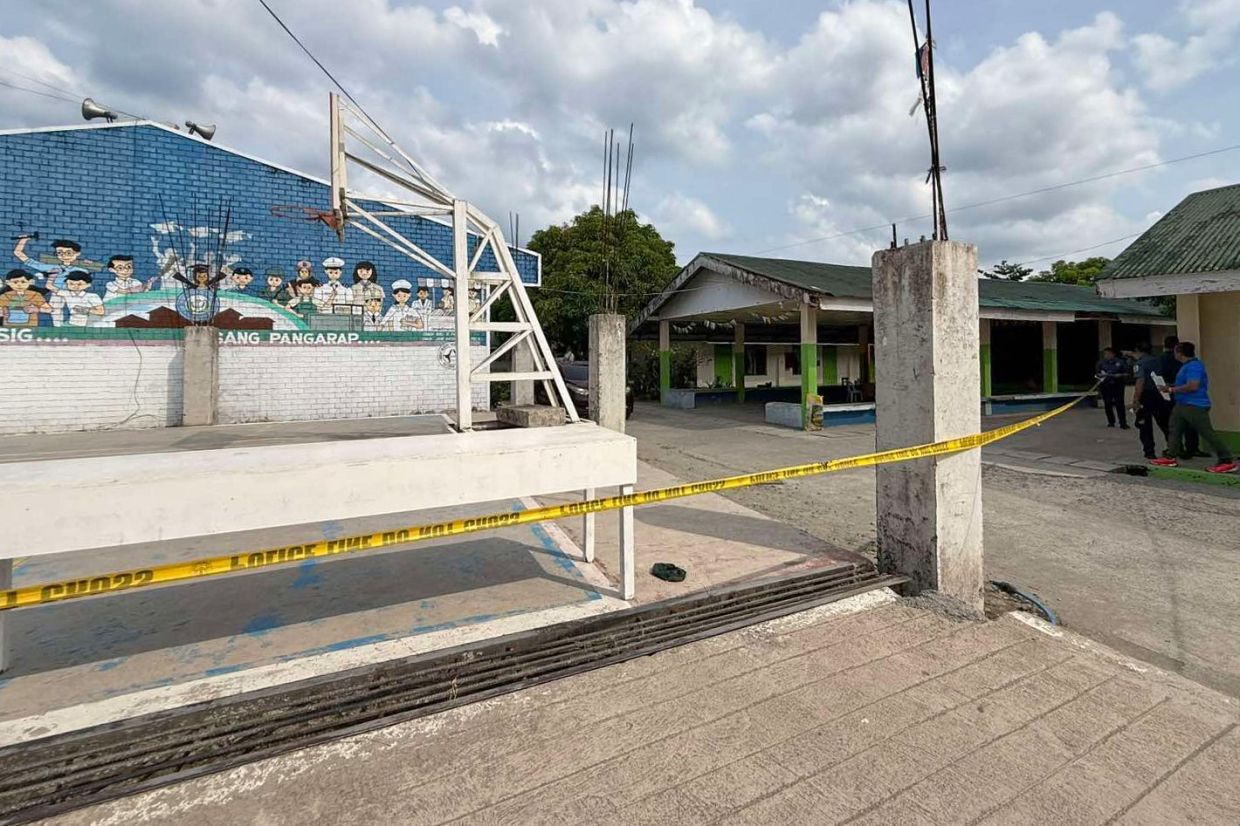
A 14-year-old female student from Tolosa National High School in the Philippines has been apprehended by police for allegedly threatening violence against her school through social media postings, marking the second security scare to ripple through Philippine educational institutions following a fatal school shooting earlier in the week. Interior Secretary Jonvic Remulla disclosed the detention during a press conference at Camp Crame on Thursday, June 25, noting that the Philippine National Police Criminal Investigation and Detection Group initiated action based on a tip provided by Senator Bam Aquino regarding the threatening posts made the previous Wednesday evening.
The recovered social media post contained explicit language threatening fellow students and staff members at the school in Leyte. The message, which was posted across multiple accounts created by the minor, stated: "Hello. Send this to your friends. Yo, from Tolosa, prepare yourselves, especially to you, as you owe me. Get ready. I will disrupt the school. You won't know me, but you will recognise me. There is no time nor day. Be prepared for whoever gets shot or stabbed. We don't care. Good luck to you at Tolosa National High School." The explicit nature of the threat, combined with references to violence and the timing following a recent mass shooting, triggered immediate police response and heightened concern among school officials and parents.
Investigators determined that the teenage suspect had established numerous Facebook accounts to amplify distribution of her threatening messages, a tactic often employed to circumvent initial detection and removal. According to Remulla, the girl's identity was confirmed through detailed social media analysis and corroborating information provided by individuals who reported her activities to authorities. However, when law enforcement reached out to the family and the girl herself, the accounts and posts had already been deleted, suggesting either premeditation or hasty efforts to conceal evidence. The minor displayed reluctance and uncooperativeness during questioning, reportedly motivated by fear of legal consequences and potential punishment from authorities.
The response from her family compounded investigative challenges. When approached by officers from the Tolosa Municipal Police Station, her parents declined to cooperate, refusing to provide details or explanations surrounding the incidents. This parental resistance, combined with the girl's own defensive posture, initially obscured investigators' understanding of her motivations and the genuine severity of the threat. Such family dysfunction and communication breakdowns frequently characterise cases involving troubled adolescents in crisis situations, suggesting deeper psychological or social issues beyond simple mischief or attention-seeking behaviour.
Remulla attributed the student's alleged actions to underlying personal and family problems rather than concrete planning or genuine capability to execute violence. After authorities engaged directly with the family, the official assessment shifted toward viewing the threat as neutralised and inactive. Crucially, investigators found no evidence of an organised conspiracy, no involvement of other individuals in planning coordinated action, and significantly, no access to firearms by either the minor or her family members. This finding provided reassurance to education officials and parents concerned about potential copycat incidents following the Tacloban shooting.
The detention occurred within the legal framework governing juvenile offences in the Philippines. Since the suspect was a minor, she could not be formally charged under standard criminal statutes. Instead, authorities transferred her to the Department of Social Welfare and Development, which subsequently released her given the constraints imposed by Republic Act No. 9344, the Juvenile Justice and Welfare Act. This legislation, designed to protect minors while addressing their behaviour through rehabilitation rather than punishment, meant that despite the seriousness of her threats, the girl could not face conventional criminal prosecution or incarceration.
A significant investigative discovery linked both the Tolosa suspect and the perpetrators of the earlier Tacloban shooting to the same online gaming platform. Remulla noted that all parties involved—the two teen shooters and the girl who issued threats—were devoted players of GoreBox, a violence-heavy video game depicting graphic imagery and extreme content. Following the Monday school shooting in Tacloban City that claimed three lives, the Cybercrime Investigation and Coordinating Centre temporarily banned access to GoreBox, signalling official concern about potential connections between immersion in violent gaming content and real-world violent behaviour among Philippine youth.
The San Jose National High School shooting on Monday, June 24, which preceded the Tolosa threat by one day, involved two students aged 14 and 15 who opened fire at their classmates, killing three and wounding at least twenty others. The shock and media saturation surrounding this tragedy almost certainly influenced the Tolosa student's decision to publicise her own threats, whether as a manifestation of copycat behaviour, a cry for attention amid widespread anxiety, or genuine intent to cause harm. The rapid succession of these incidents—one deadly shooting followed within hours by a credible threat at another school—created nationwide alarm about school safety and the psychological state of Philippine adolescents.
The emergence of threats at multiple schools within such a compressed timeframe highlights vulnerabilities in the Philippine education system's capacity to identify and intervene with at-risk students before they escalate to violent action or public threats. Social media amplifies the speed and reach of such threats, enabling rapid dissemination to hundreds of potential recipients and creating community-wide panic that often outpaces the actual threat level. Digital natives' comfort with anonymous online posting means threats can proliferate before the originator's identity becomes apparent or before the statements can be contextualised as genuine danger rather than adolescent emotional outburst.
For Malaysian educators and security officials, the Philippine incidents underscore parallel concerns about school violence, access to violent digital media, and the challenge of distinguishing credible threats from emotional posturing by troubled youth. The Philippines' experience demonstrates the necessity of robust reporting mechanisms, rapid response protocols, and social welfare infrastructure capable of addressing adolescent mental health crises before they manifest as violence or publicly broadcast threats. Schools across Southeast Asia should examine their own vulnerability assessment procedures and crisis response capabilities in light of these developments.

