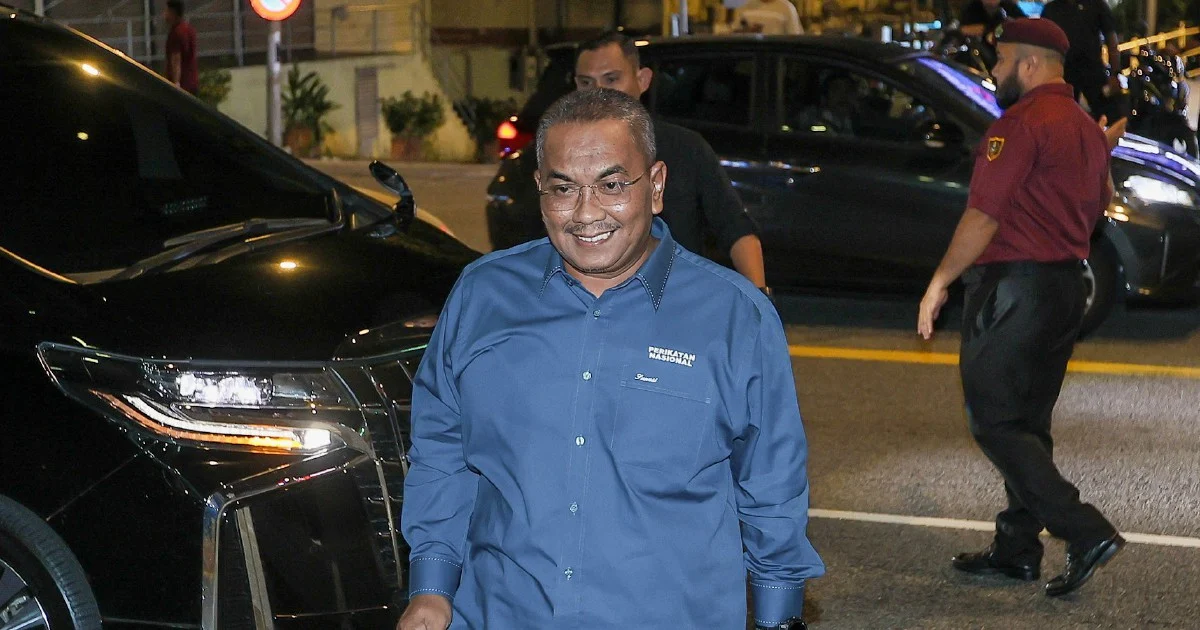
Perikatan Nasional has firmly committed to contesting the forthcoming Johor state election beneath its own party emblem, election director Datuk Seri Muhammad Sanusi Md Nor announced, bringing clarity to weeks of speculation about potential coalitional arrangements ahead of the polls. The statement effectively closes the door on whispers that PN might operate under the traditional Barisan Nasional insignia in the southern state, instead signalling the coalition's intention to campaign as an independent electoral force in one of Malaysia's most politically significant territories.
The clarification assumes particular weight given the complex political landscape that has characterised Johor since the last state election. The Johor electorate remains a contested prize with multiple competing visions of governance, and the choice of electoral symbol carries symbolic implications about how PN wishes to position itself relative to the established BN machinery and narrative. By opting for its own logo, PN appears to be asserting its distinct political identity rather than borrowing institutional credibility from the longer-established coalition brand.
Johor's electoral significance cannot be overstated for Malaysian political observers. As the nation's second-most populous state and a consistent electoral bellwether, voting patterns in Johor have historically presaged broader national trends. The state commands substantial federal parliamentary representation and considerable economic weight, making it a testing ground where coalitions validate their organisational capacity and message resonance. For PN, demonstrating electoral viability in Johor becomes a crucial stepping stone toward establishing itself as a genuine national alternative.
The speculation that prompted Sanusi's dismissal likely stemmed from discussions within ruling circles about potential accommodations between PN and BN structures. Such rumours are routine in Malaysian politics, where coalition formations remain fluid and tactical alliances frequently shift based on electoral calculations. The fact that sufficient speculation existed to warrant an explicit denial suggests genuine uncertainty within political circles about PN's strategic intentions for the contest.
Perikatan Nasional's decision to maintain its own brand identity reflects broader confidence within the coalition about its organisational standing and public recognition. The PN symbol has gained familiarity among Malaysian voters through the coalition's involvement in federal governance following the 2020 elections and subsequent state electoral contests. Party strategists evidently believe that running under the PN banner provides sufficient market advantage without requiring the institutional scaffolding or historical associations that BN affords.
The implications for Barisan Nasional merit consideration as well. The failure to secure PN under a combined logo potentially weakens BN's apparent electoral reach in Johor, even if informal cooperation between individual component parties continues at ground level. BN's attempt to reassert political dominance after considerable setbacks in recent years depends partly on controlling the narrative about coalition strength and breadth, making PN's decision to campaign separately a symbolic setback regardless of ultimate voting outcomes.
For ordinary Malaysian voters in Johor, the clarity provided by Sanusi's statement offers concrete information about how electoral competition will be structured. Voters can now assess each coalition's platform and personnel offerings without the complication of uncertain branding arrangements. This transparency serves democratic purposes by reducing confusion about precisely which parties and programmes voters are endorsing when they cast ballots.
The statement also indicates that PN leadership has resolved any internal deliberations about strategic direction for the Johor campaign. Such clarity at the senior management level typically precedes disciplined messaging and coordinated ground organisation, suggesting that PN will approach the contest with clear organisational objectives and consistent communication to party members and supporters.
Regional political watchers will monitor whether this commitment to separate branding translates into distinct policy offerings or whether practical cooperation with BN components remains substantial despite the symbolic separation. Malaysian coalition politics frequently feature such apparent contradictions, where parties campaign separately while maintaining significant behind-the-scenes coordination on specific issues.
The Johor election will serve as an important indicator of PN's electoral fortunes independent of BN structures and institutional support. A strong showing would validate the coalition's assertion that it commands sufficient organisational capacity and voter appeal to compete effectively as a standalone force, while disappointing results would invite questions about whether PN prematurely rejected potential BN collaboration that might have enhanced electoral prospects.
Looking forward, Sanusi's pronouncement establishes clear parameters for campaign expectations and media coverage surrounding the Johor contest. With branding arrangements settled, political discourse can focus on substantive policy distinctions, leadership qualities, and governance track records that differentiate competing coalitions, potentially elevating the quality of electoral debate and voter decision-making processes throughout the campaign period.

