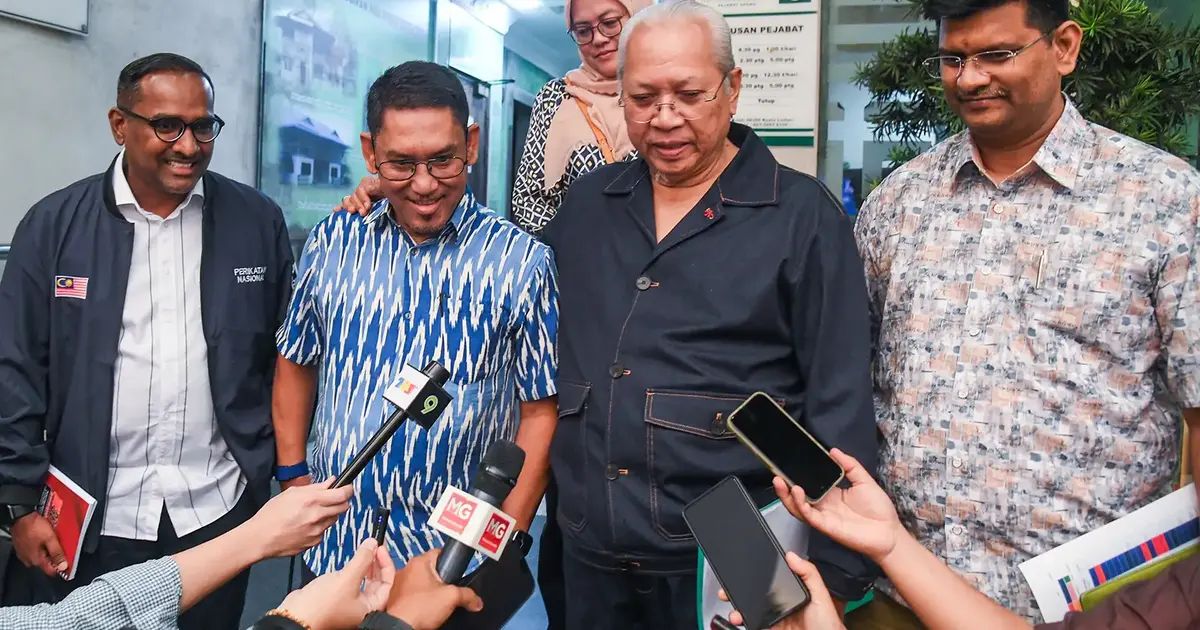
Perikatan Nasional remains locked in negotiations over how to distribute its contested Johor parliamentary seats, with coalition officials acknowledging that the process has hit complications from internal disagreements over which parties should contest which constituencies. According to the coalition's information chief, allocations for more than half of the 56 seats have been settled, leaving substantial ground still unresolved as member organisations jockey for the most winnable positions across the state.
The delay in finalising seat distributions underscores persistent tensions within PN, despite the coalition's visible unity on the campaign trail. Negotiations over Johor are particularly charged because the state remains a crucial battleground in Malaysian politics, offering significant parliamentary representation and state assembly seats that could reshape the balance of power in the current government. When different parties within a coalition compete aggressively for the same seats, the process of apportionment becomes genuinely difficult, as each component demands constituencies where their organisational strength and local endorsements run deepest.
For Malaysian voters and political observers, the ongoing haggling carries real implications. The final configuration of PN candidates across Johor will determine which individuals represent the coalition in Parliament and influence the coalition's internal power dynamics. When seat negotiations drag on without resolution, they can create friction between parties that may undermine the coalition's cohesion or demoralise activists forced to campaign in constituencies hastily assigned late in the process. The uncertainty also keeps candidates themselves in limbo, preventing them from building campaign machinery or establishing ground presence in assigned areas.
The PN coalition comprises multiple parties with different regional strongholds and organisational capabilities, making seat distribution inherently contentious. Parties that believe they can win particular seats often resist accepting allocations deemed less winnable by coalition leadership. In Johor, where urban and rural constituencies have vastly different demographics and voting patterns, the calculus becomes even more complex. Some areas lean heavily toward particular parties based on ethnic composition, previous election results, and established community networks that took years to develop.
Annuar's acknowledgment that negotiations remain ongoing suggests the coalition had initially hoped to complete seat distributions before announcing candidates publicly. Delays in finalising this process are not uncommon in Malaysian politics, yet they carry costs. Campaign teams need time to recruit volunteers, understand voter concerns, and build name recognition. When seats are assigned only weeks before nomination day, candidates operate under genuine disadvantages compared to opponents who have enjoyed months of preparation.
The incomplete distribution also raises questions about the criteria being used to allocate seats among PN parties. Coalition leaders must balance several competing considerations: which party can realistically win each seat, which parties deserve compensation for past electoral sacrifices, and how to maintain geographic spread across Johor rather than concentrating representation in particular regions. These judgments are inherently subjective and frequently disputed by parties convinced they deserved better allocations.
For Southeast Asian readers, the PN situation illustrates how coalition politics in Malaysia differs from two-party systems. When multiple parties must govern together, disagreements over seat distribution become a structural feature of the political landscape rather than an anomaly. Such negotiations can either strengthen coalitions by forcing genuine power-sharing arrangements or weaken them through prolonged internal friction that saps momentum before campaigns even begin.
Johor's particular significance compounds these challenges. The state has emerged as a crucial battleground in recent years, with opposition parties making historic gains in 2022. A PN coalition that appears divided over seat distribution may struggle to project the unity and discipline needed to recover ground lost to competing coalitions. Conversely, if PN eventually settles on allocations that genuinely reflect each party's strengths and resources, the final arrangement might strengthen the coalition's chances across the state by ensuring candidates operate in constituencies where their parties enjoy actual organizational capacity.
The statement from PN's information chief also hints at the coalition's timeline expectations. If more than half of 56 seats have been confirmed, the remaining negotiations presumably focus on the most fiercely contested constituencies where multiple parties believe they hold strong claims. These disputes are likely the most difficult to resolve, as they involve fundamental questions about which party's claim to particular communities carries greater weight.
The stakes for individual politicians are substantial as well. Candidates assigned to marginal seats face genuine risks of defeat, while those allocated safe seats enjoy comfortable paths to Parliament. The distribution process thus determines the electoral fate of hundreds of political hopefuls across Johor, adding emotional and career dimensions to negotiations that might otherwise remain purely strategic.
As negotiations continue, both PN's coalition partners and Malaysian voters will be watching closely to see whether the coalition can resolve internal disputes before voters head to the polls. The eventual seat distribution will serve as a barometer of the coalition's genuine strength and whether its parties can subordinate individual ambitions to collective advantage.

