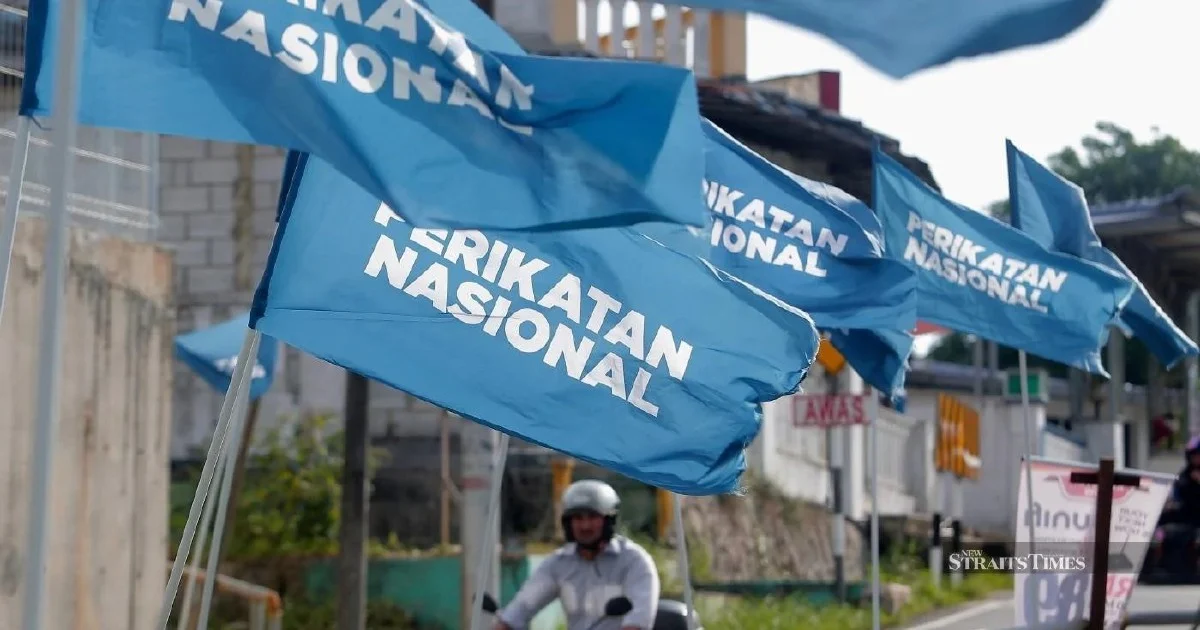
Perikatan Nasional (PN) has moved swiftly to extinguish speculation that the opposition coalition intends to withdraw from the upcoming Johor state election, with deputy chairman P. Punithan issuing a categorical denial of the claims. The rumours, which gained traction online, suggested the coalition would sit out the contest, prompting a formal response from the party hierarchy to clarify its actual electoral intentions for the state.
Punithan characterised the circulating statement as a complete fabrication, emphasising that no authentic communication from PN leadership endorsed such a position. The swift denial reflects growing concern within political circles about the spread of misinformation during election cycles, particularly through social media channels where false claims can gain rapid amplification before fact-checking mechanisms engage. The coalition's response underscores the vulnerability of political messaging to distortion in the digital age, where unverified claims can shape public perception if left unchallenged.
The timing of these rumours carries particular significance for Johor's political landscape. The state represents a crucial battleground in Malaysian politics, with contests there often serving as bellwethers for broader national sentiment. For PN, which has been rebuilding its position as a cohesive opposition force following internal tensions and electoral setbacks, any suggestion of reduced engagement would carry strategic implications. The coalition's unambiguous rejection of the claims signals its determination to maintain pressure across all available electoral fronts.
The incident illustrates the mounting challenge political parties face in combating deliberately fabricated narratives designed to confuse voters and dampen electoral participation. False statements attributed to party leadership, circulated through messaging applications and social platforms, have become increasingly common during Malaysian election campaigns. Such tactics can undermine public trust in official communications and create confusion about parties' actual positions on key issues.
For PN specifically, the denial comes as the coalition continues efforts to consolidate support following the 2023 general election. The coalition comprises Perikatan Keadilan Rakyat (HAMIM), BERSATU, PAS, and several smaller parties. Each state election represents an opportunity to demonstrate electoral viability and expand influence, making any suggestion of withdrawal strategically counterintuitive. The coalition's immediate response reflects its investment in maintaining momentum and credibility with voters.
Johor's electoral dynamics present both opportunities and challenges for PN. The state has historically been dominated by Barisan Nasional, particularly through UMNO's strong organisation on the ground. For PN to remain competitive, sustained engagement and visible presence are essential. Any withdrawal would essentially concede the state to rival coalitions, an outcome inconsistent with PN's stated objective to become a credible alternative government at both state and federal levels.
The viral spread of false political claims raises questions about information integrity in Malaysian public discourse. Election commission and party officials have previously warned voters to verify information through official channels before accepting claims about campaign activities. However, the velocity at which false statements propagate through encrypted messaging and social networks often outpaces correction efforts, creating windows of uncertainty that can influence voter attitudes.
Punithan's statement also serves a secondary communication function, reassuring PN supporters and allies that the coalition remains committed to electoral competition. Such reassurance is important for maintaining internal party cohesion and ensuring that grassroots organisations in Johor continue mobilisation efforts. Any uncertainty about the coalition's intentions could undermine volunteer recruitment, resource allocation, and campaign momentum building.
The denial highlights broader questions about the regulatory environment surrounding electoral communications. Malaysia's election commission has expanded its focus on combating misinformation, yet challenges remain in identifying and containing false narratives quickly enough to prevent reputational damage. Political parties themselves have become primary fact-checkers for claims made in their names, a responsibility that places significant burden on communications teams.
Looking forward, PN's emphasis on refuting the boycott rumours underscores the coalition's intention to contest Johor vigorously. The state election will serve as a critical test of PN's appeal to voters and its organisational capacity to mount coordinated campaigns. For Malaysian observers and political analysts tracking opposition trajectories, the coalition's participation and performance in Johor will carry significance beyond the state itself, offering insight into PN's broader electoral positioning ahead of potential future general elections.
The incident also reflects the increasingly sophisticated information warfare surrounding Malaysian politics. False claims attributed to party leaders, designed to confuse voters and undermine electoral participation, represent evolving threats to election integrity. The speed and ferocity with which PN responded underscores how seriously the coalition takes its public messaging and the importance of rapidly correcting misinformation before it becomes entrenched in voter consciousness. Going forward, political parties and election observers will likely need enhanced capabilities to identify and counter false claims in real time.

