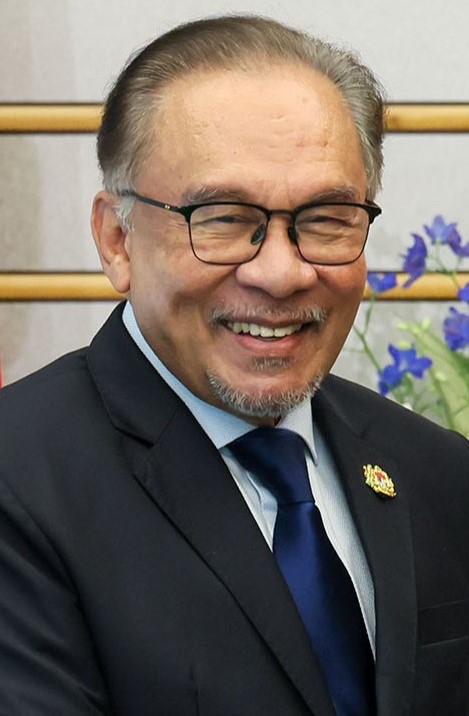
Takiyuddin Hassan, serving as chief whip for Perikatan Nasional, has submitted formal notification to the Speaker of the Dewan Rakyat confirming that a coalition of 61 opposition members has collectively agreed to install Hamzah Zain as the bloc's new leader, with the appointment taking effect immediately.
This development represents a strategic reconfiguration of opposition ranks in Malaysia's parliament, as PN consolidates its position following recent political manoeuvres. Hamzah Zain, who previously held the position of deputy president within Bersatu—the primary component of the PN coalition—assumes the role at a pivotal moment when opposition parties are regrouping their parliamentary tactics and leadership structures.
The formal notification process underscores the procedural rigour maintained in Malaysian parliamentary governance. By officially informing the Speaker, PN ensures that the legislative body recognises this leadership transition and that all subsequent parliamentary protocols reflect the new opposition configuration. This administrative step carries practical implications for opposition block timings, speaking rights, and committee assignments within the Dewan Rakyat.
For Malaysian readers monitoring internal opposition dynamics, this appointment signals important developments within PN's internal hierarchy. The coalition, which comprises Bersatu, PAS, and other smaller parties, appears to be consolidating its parliamentary representation under unified leadership. The 61-member support base demonstrates that PN commands a substantial bloc within the current opposition configuration, giving it considerable influence over parliamentary proceedings and legislative agendas.
Hamzah Zain's elevation carries significance for Bersatu's internal politics as well. His transition from deputy president to national opposition leader reflects the party's attempt to maintain prominence within PN while also positioning itself as a broader opposition voice capable of articulating concerns across multiple constituencies and regions. This move could strengthen Bersatu's hand in future coalition negotiations, particularly as Malaysia approaches electoral cycles where opposition dynamics will prove decisive.
The parliamentary context matters considerably here. The opposition's capacity to mount effective scrutiny, propose alternative legislation, and mobilise consensus on key issues depends substantially on coherent leadership and internal coordination. By establishing a clearly defined opposition leader recognised by a majority of non-government parliamentarians, PN enhances its ability to coordinate responses to government initiatives and present a more unified alternative vision to Malaysian voters.
Regionally, Malaysia's opposition arrangements influence broader Southeast Asian political discourse around democratic institutions and multi-party systems. The formal, procedurally sound manner in which this leadership transition occurs—through official notification to parliamentary leadership rather than through informal arrangements—demonstrates how Malaysian democratic conventions have evolved to accommodate complex coalition politics while maintaining institutional integrity.
Hamzah Zain's previous tenure as Bersatu deputy president suggests he brings substantial political experience to this role. His appointment likely reflects calculations about public appeal, intra-coalition consensus-building capacity, and parliamentary effectiveness. The 61-member backing indicates that beyond PN's formal component parties, the opposition leader enjoys support from other non-government parliamentarians, potentially including independent members or representatives from smaller parties who may not formally belong to PN but align with its parliamentary positions on specific issues.
The timing of this announcement carries implications for Malaysia's legislative agenda. With clear opposition leadership now formally established, parliamentary debates may become more structured and substantive. The Speaker can expect more organised opposition contributions to debates, more coordinated questioning during parliamentary sessions, and potentially more effective use of procedural mechanisms available to non-government members.
Moving forward, observers should monitor how Hamzah Zain utilises his new platform to distinguish opposition positions from government policies. His effectiveness in this role will partly determine whether PN can maintain parliamentary cohesion and translate legislative scrutiny into electoral advantage. The coming months will test whether the 61-member coalition behind this appointment remains solid or whether internal disagreements emerge on key policy questions.
For Malaysian citizens following parliamentary affairs, this leadership change offers an opportunity to assess how opposition parties articulate their alternatives to government policy across portfolios ranging from economic management to social issues. The clarity of opposition messaging will increasingly depend on whether Hamzah Zain can forge consensus among diverse components of his 61-member coalition while maintaining PN's distinct political identity.