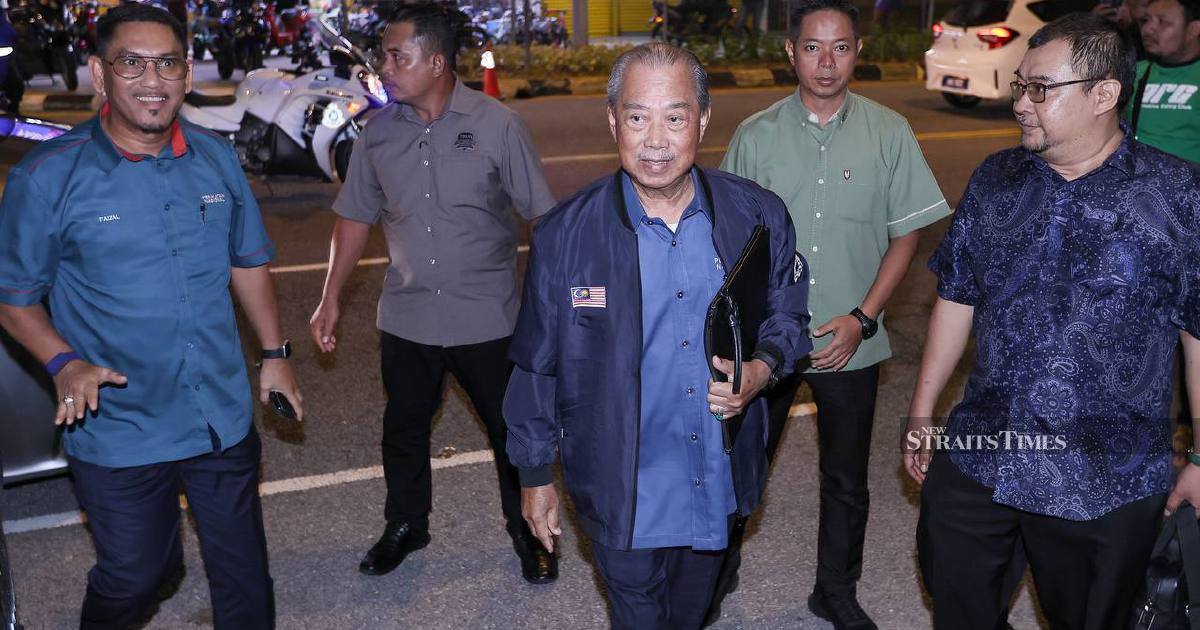
The Perikatan Nasional opposition coalition moved swiftly into crisis management mode by assembling senior leaders for an unscheduled Supreme Council gathering at the Parti Islam Se-Malaysia headquarters in the capital. The nocturnal convening underscores the urgency of matters confronting the bloc, which comprises PAS, Bersatu, and other component parties that have positioned themselves as an alternative to the ruling administration.
Such emergency sessions typically indicate that PN's leadership structure has identified developments requiring immediate collective deliberation rather than routine scheduled consultations. The choice to hold discussions at PAS's premises reflects the Islamic party's preponderant role within the coalition framework, given its substantial parliamentary representation and organisational reach across Malaysia's heartland regions.
For Malaysian political observers, emergency meetings of this calibre often herald significant shifts in coalition positioning, factional tensions requiring senior arbitration, or responses to rapidly evolving national developments that demand coordinated messaging. The timing and venue selection both carry symbolic weight within coalition dynamics, particularly given the complex interplay between PAS's religious credentials and Bersatu's reformist positioning.
The coalition's internal cohesion has periodically faced strain as component parties navigate divergent ideological orientations and electoral calculations. PAS brings grassroots mobilisation capabilities particularly strong in northern and east coast territories, whilst Bersatu commands urban-oriented memberships with different political trajectories. Managing these differences across a unified platform requires frequent high-level engagement, especially when external pressures mount.
Regional observers have noted that PN's trajectory since the 2022 general election has involved continuous recalibration of parliamentary strategy and public positioning. The coalition functions both as an organised opposition framework and as a potential alternative government in waiting, requiring its leadership to maintain internal discipline whilst simultaneously projecting readiness to assume executive responsibilities should electoral circumstances shift.
The emergency nature of this gathering suggests that routine institutional channels proved insufficient for addressing the matters at hand. Whether driven by internal disagreements over policy direction, responses to government announcements, parliamentary tactics, or challenges to leadership continuity, such escalations typically precipitate consequential outcomes within coalition operations.
Malaysia's political landscape has grown increasingly fluid since the 2018 and 2022 elections, with coalitions requiring sophisticated management mechanisms to prevent defections and maintain bloc cohesion. PN's structure incorporates regular formal consultations, but emergency sessions represent moments when leadership confronts circumstances demanding exceptional decision-making authority and collective resolution.
For ordinary Malaysians observing from the sidelines, coalition-level meetings often precede public announcements that affect electoral prospects, parliamentary voting patterns, or government formation scenarios. The outcomes of such sessions frequently determine the trajectory of political negotiations and the public's subsequent understanding of opposition strategy.
The gathering at PAS headquarters also reflects practical realities of Malaysian political coordination, where major party infrastructures serve as venues for sensitive discussions requiring secure environments and symbolic association with particular political movements. Selecting PAS's premises underscores that organisation's centrality within the PN framework.
As the coalition operates within the parliamentary system established by the 1957 Federal Constitution, these high-level meetings must balance principled positioning against pragmatic engagement with the ruling structure. PN leaders bear responsibility for representing component party interests whilst maintaining coalition discipline sufficient for effective parliamentary opposition and potential future governance alternatives.
The emergency convocation ultimately reflects Malaysia's complex multi-party democracy, where significant political developments rarely occur within isolated party structures but instead emerge from careful orchestration across coalition networks. The deliberations conducted at PN's highest decision-making level during such sessions frequently ripple outward through parliamentary proceedings, media discourse, and public political engagement across the peninsula and beyond.

