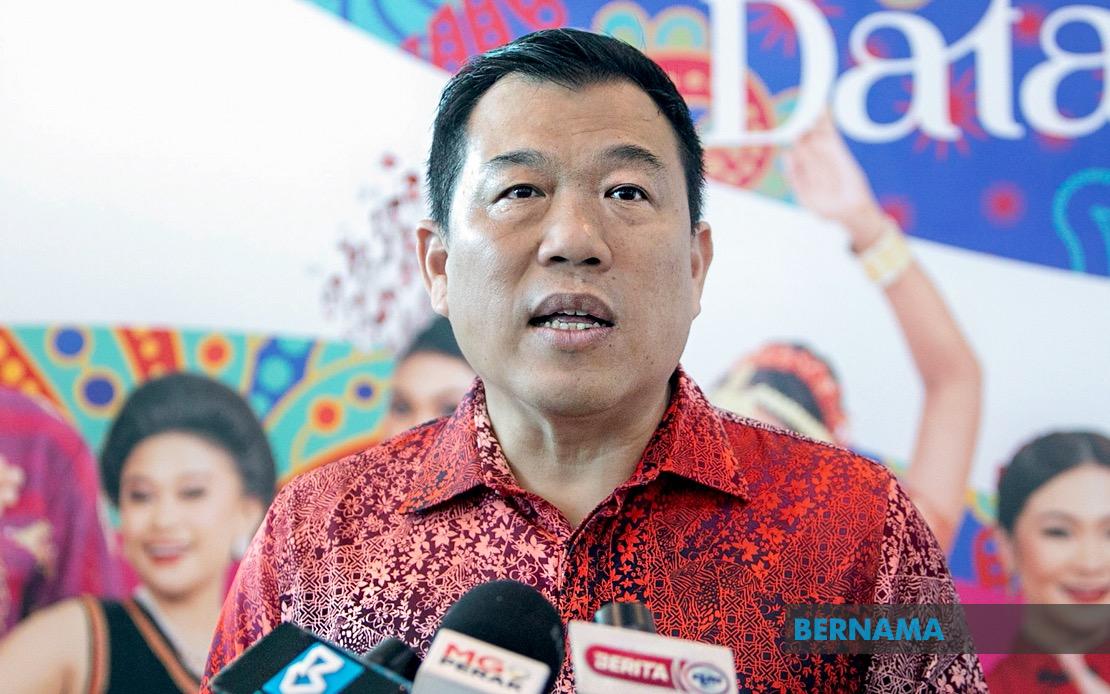
Perak's tourism sector is experiencing a tale of two markets, with strong domestic performance masking underlying challenges in attracting overseas visitors. The state recorded 10.4 million domestic overnight arrivals last year, a marginal increase from 10.2 million in 2024, according to Loh Sze Yee, chairman of Perak's Tourism, Industry, Investment and Corridor Development Committee. This growth reflects Malaysians' continued appetite for regional travel, even as consumer confidence faces pressures from broader economic uncertainties. The domestic rebound suggests that Perak's attractions maintain strong appeal among local travellers seeking accessible weekend getaways and cultural experiences within their own country.
However, the state's international tourism trajectory presents a contrasting picture. Foreign visitor arrivals declined by approximately 1.5 per cent last year, representing a setback for Perak's ambitions to establish itself as a major transnational destination. Loh attributed this downturn to specific operational constraints rather than fundamental problems with the destination itself. The absence of direct flights on the Singapore-Ipoh route emerged as a critical bottleneck, removing a convenient gateway for Southeast Asian visitors and business travellers. Singapore's proximity to Perak would ordinarily position the city-state as a primary source market, making the loss of air connectivity particularly damaging to recovery efforts.
Beyond logistical challenges, global headwinds have compounded Perak's international visitor challenges. The ongoing global oil crisis has cascaded through the aviation industry, inflating ticket prices and reducing flight frequency on marginal routes. For mid-sized regional airports like Ipoh International Airport, the economics become increasingly unfavourable when fuel surcharges and reduced passenger demand combine to reduce service viability. This structural pressure on aviation markets has affected tourism destinations across Southeast Asia, but smaller regional hubs like Perak face disproportionate vulnerability compared to major metropolitan centres that can sustain higher passenger loads and justify premium-cost operations.
Within the broader Malaysian tourism landscape, Perak occupies a distinct position. According to Malaysia's Chief Statistician Datuk Seri Dr Mohd Uzir Mahidin, Selangor dominates domestic tourism with 36.4 million visitors last year, followed closely by Kuala Lumpur with 35.1 million. Perak ranks third with 23.6 million arrivals, a respectable position that reflects its cultural richness and natural attractions. Yet this ranking also reveals Perak's competitive disadvantage relative to the Klang Valley corridor, which benefits from massive urban populations and superior transport infrastructure. For Perak to sustain its tourism trajectory, growth must now rely increasingly on leveraging distinctive cultural and heritage assets rather than competing on accessibility alone.
The state's strategic opportunity lies in positioning itself as a gateway to Malaysia's east coast tourism circuit. Tourism Malaysia's director-general Mohd Amirul Rizal Abdul Rahim recognised this potential by selecting Ipoh as the host for Pantai Timur Fest 2026. This decision reflects deliberate strategic planning to position Perak's capital as a regional hub capable of showcasing the unique attractions of Kelantan, Terengganu, and Pahang. By concentrating east coast marketing efforts through Ipoh, Tourism Malaysia can create economies of scale in promotion while leveraging Perak's existing visitor base as a staging point for deeper penetration into less-visited regions.
The Pantai Timur Fest 2026 represents a significant institutional effort to diversify Perak's tourism offering and geographic reach. The festival brings together thirty exhibition booths featuring operators from the east coast states, creating a concentrated showcase of regional tourism products. This clustering approach allows travel agencies, hotels, theme parks, and online travel platforms to present integrated itineraries that extend visitor stays beyond Perak itself. For Malaysian travellers seeking multi-destination experiences, the festival reduces information asymmetries and transaction costs by presenting curated options from multiple providers simultaneously.
Beyond commercial exhibits, the festival's programming strategy emphasises experiential and cultural dimensions of east coast tourism. Cultural performances, traditional craft demonstrations, and heritage food promotions appeal to the growing segment of Malaysian domestic travellers seeking authentic cultural engagement rather than generic beach resort experiences. This reflects broader trends in Southeast Asian tourism, where younger and more educated travellers increasingly prioritise learning and cultural immersion. By foregrounding these elements, Perak positions itself as a curator of regional cultural assets rather than merely a transit point.
The Visit Malaysia 2026 campaign provides the overarching framework legitimising this regional tourism development strategy. This national initiative aims to reposition Malaysia in global tourism markets during a crucial competitive window. For Perak and the east coast states, the campaign offers branded marketing support and coordinated promotion that individual state authorities could never afford independently. The special offers and discounts on travel packages featured at Pantai Timur Fest 2026 represent tactical elements of this broader campaign, designed to convert awareness into actual bookings during the critical planning period when Malaysians typically book domestic holidays.
The divergence between Perak's domestic and international tourism trajectories poses important strategic implications. While domestic growth provides revenue stability and volume, the decline in foreign arrivals limits high-value spending that international visitors typically generate. Asian international tourists generally spend more per day than domestic travellers and stay longer, meaning even modest increases in foreign visitor numbers would significantly impact local tourism revenues. Addressing the aviation connectivity gap therefore warrants urgent attention from state authorities and Transport Ministry officials, as the Singapore-Ipoh route represents a low-hanging fruit in international tourism recovery.
Regional competition adds further urgency to Perak's international tourism challenges. Neighbouring states including Selangor, Penang, and Kelantan are simultaneously pursuing aggressive tourism development strategies, investing in attractions, infrastructure, and marketing. If Perak fails to restore international connectivity and competitiveness, regional visitor market share could gradually shift toward competitors offering more convenient access and diverse experiences. The state's natural attractions, including limestone caves, colonial heritage sites, and cultural heritage, provide valuable differentiation, but these assets must be accessible to generate revenue.
Looking forward, Perak's tourism sector requires a dual strategy addressing both domestic consolidation and international recovery. On the domestic front, the state appears well-positioned to capture continued growth as Malaysian travel culture matures and disposable incomes expand outside the Klang Valley. East coast circuit positioning through initiatives like Pantai Timur Fest 2026 provides an expanded customer base beyond Perak's immediate geographic area. Simultaneously, resolving aviation connectivity challenges through dialogue with airlines and airport operators must become a priority, as international tourism represents essential long-term growth potential. The current domestic-international divergence in Perak's tourism performance reflects broader challenges facing regional tourism hubs across Southeast Asia, but targeted interventions addressing specific operational constraints could quickly reverse the decline in foreign arrivals.

