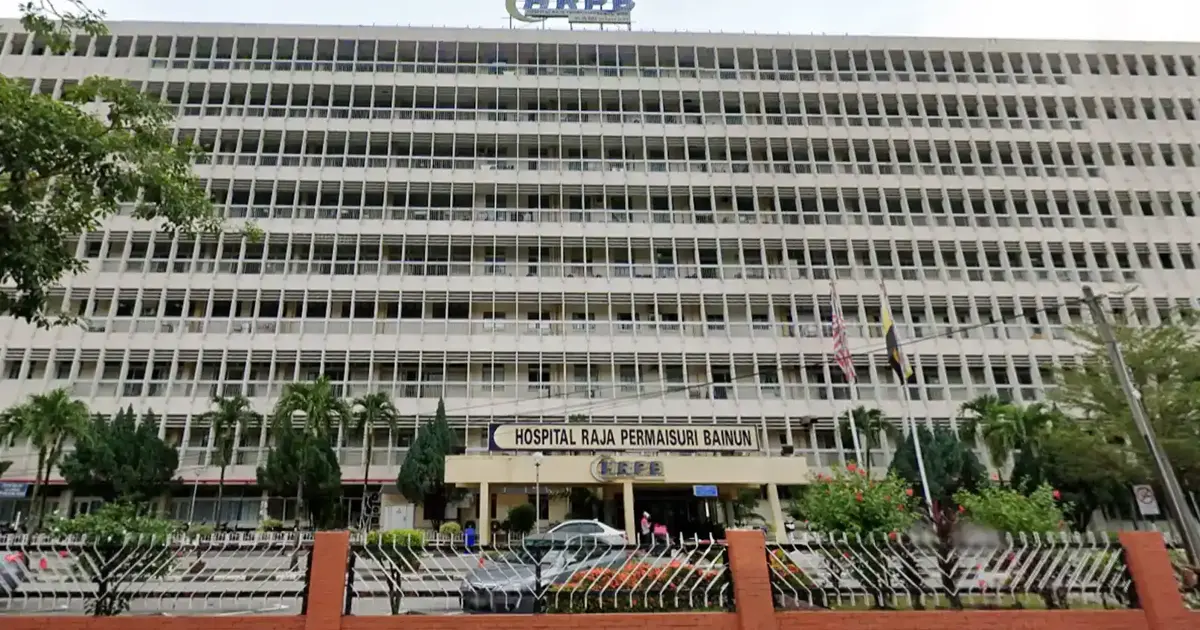
The Perak State Education Department (JPN Perak) has launched a comprehensive internal investigation following an incident in which a student sustained injuries from a fall, marking another serious safety concern within the state's educational institutions. The department's decision to open its own inquiry signals the gravity with which it regards student welfare and campus safety protocols, even as local law enforcement authorities conduct a parallel investigation into the matter.
School safety remains a critical issue across Malaysia, where institutions are expected to maintain rigorous duty-of-care standards for their student populations. Falls within school premises can occur from various circumstances—ranging from architectural hazards and inadequate maintenance to insufficient supervision or safety barriers—and such incidents often prompt broader reviews of institutional safety procedures. The Perak department's commitment to investigating internally demonstrates recognition that education authorities must take direct responsibility for understanding what transpired and ensuring preventive measures are strengthened.
The nature of the incident itself has not been fully detailed in the public record, leaving questions about whether the fall occurred during regular classroom activities, physical education sessions, movement between buildings, or during unsupervised periods. Each scenario carries different implications for institutional liability and the specific safety gaps that may require remediation. The age of the student involved, the height from which the fall occurred, and the injuries sustained would all influence both the severity of the investigation and the urgency of any remedial actions.
Parallel investigations by both education authorities and police represent standard procedure in Malaysian educational incidents involving student injury. While the education department's internal inquiry typically focuses on institutional factors, policy compliance, and safety system failures, police investigations examine whether criminal negligence or other legal violations occurred. This dual-track approach, though potentially complex, ensures that both administrative accountability and potential criminal culpability receive appropriate scrutiny.
The decision to cooperate with police investigators reflects recognition that school safety transcends institutional boundaries and must involve broader law enforcement oversight. Such cooperation facilitates information-sharing between agencies and ensures that findings from one investigation inform the other, potentially leading to more comprehensive understanding of systemic issues. In cases where negligence or safety violations are substantiated, such coordination can establish a clearer evidentiary record should legal proceedings become necessary.
For Perak's educational community, this incident underscores the importance of vigilance regarding physical infrastructure and safety protocols. Schools throughout the state may find themselves subject to heightened scrutiny of maintenance standards, supervision ratios, and emergency response procedures. Whether the incident resulted from a one-time accident or revealed structural problems, the investigation's findings will likely influence how other institutions approach campus safety audits and risk assessments.
Parents and guardians in Perak will be watching closely to understand what protective failures allowed this incident to occur and what corrective measures the education department intends to implement. The quality of the internal investigation and the transparency of its findings will substantially shape public confidence in the department's commitment to student safety. In an era where school incidents generate rapid social media attention, comprehensive communication about investigative processes and outcomes becomes essential for institutional credibility.
Malaysia's education sector has faced repeated calls for stronger safety frameworks, particularly regarding physical infrastructure, emergency preparedness, and staff training in student supervision. Incidents like the Perak fall contribute to this ongoing conversation about whether current protocols adequately protect young people during school hours. The investigation's conclusions may prompt discussions about whether national education guidelines require reinforcement or revision to prevent similar occurrences elsewhere.
The investigation's timeline and methodology will determine how quickly answers emerge and whether findings are made public. Education department inquiries in Malaysia typically examine witness statements, facility conditions, staff adherence to safety procedures, and whether existing protocols were followed correctly. Depending on findings, recommendations may range from targeted facility repairs to procedural revisions or, in serious cases, disciplinary actions against staff members found to have breached duty-of-care obligations.
Beyond the immediate incident, this matter highlights the broader challenge of maintaining safe learning environments across Malaysia's diverse school infrastructure. Many institutions operate with aging buildings, constrained maintenance budgets, and staffing pressures that can compromise safety oversight. The Perak case, whatever its specific circumstances, serves as a reminder that educational leadership requires constant attention to the physical and procedural elements that protect student wellbeing.
As both investigations proceed, stakeholders await clarity about what happened, why it happened, and what will change as a result. The education department's willingness to scrutinize its own operations and work transparently with law enforcement suggests a commitment to accountability. How thoroughly and thoroughly these investigations are conducted, and whether their findings lead to meaningful institutional improvements, will ultimately determine whether this incident catalyzes genuine safety enhancements or becomes merely another documented case that fades from institutional memory.

