Penang authorities have committed to maintaining seamless traffic flow and robust security during the upcoming HAWANA 2026 celebration, reassuring the public that festivities at PICCA Convention Centre @ Butterworth Arena will not disrupt daily life in the surrounding communities. The three-day event, headlined by Prime Minister Datuk Seri Anwar Ibrahim on June 20, represents a significant gathering of the country's media sector, and police have calibrated their operational response accordingly.
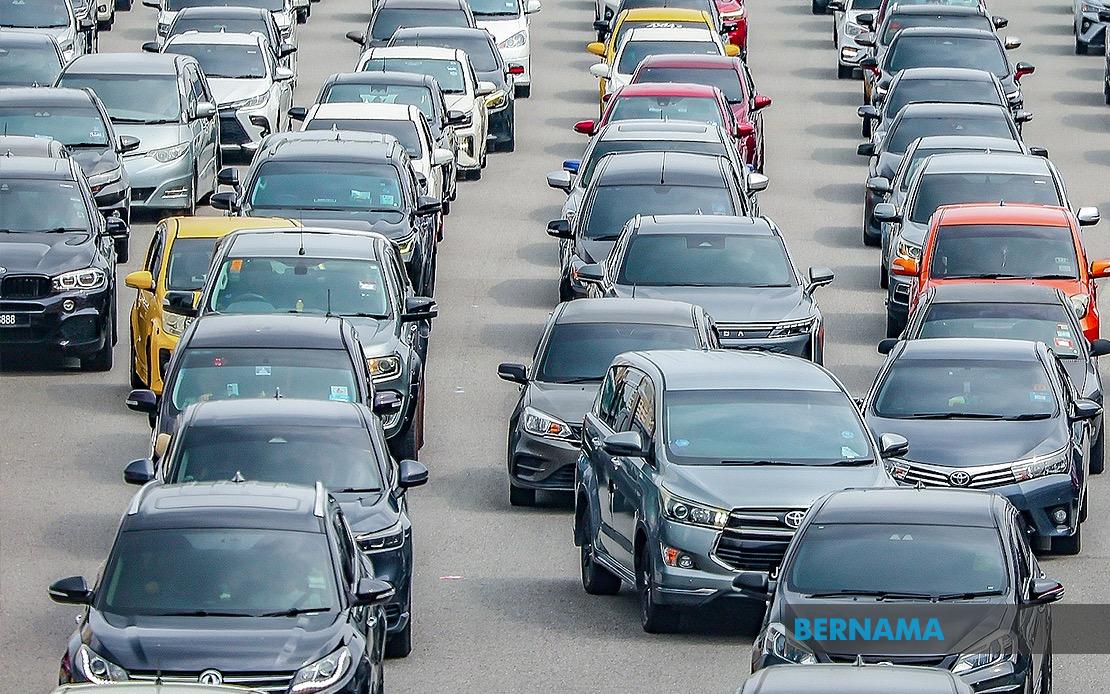
Penang police chief Datuk Azizee Ismail emphasised that the force has adopted a sophisticated approach to event management, drawing upon lessons learned from the Malaysia Day 2025 celebration held at the same venue last year. Rather than imposing blanket road closures that would burden commuters and local businesses, authorities will employ strategic traffic diversions and targeted personnel deployment at key intersections. This measured approach reflects a growing recognition among Malaysian law enforcement that large-scale public gatherings need not come at the expense of ordinary citizens' mobility and economic activity.
The decision to keep main arteries open throughout the programme distinguishes this event management strategy from more restrictive protocols sometimes employed elsewhere in Malaysia. Traffic police will implement carefully planned alternative routes to maintain vehicular movement, while uniformed officers stationed at major junctions will orchestrate the flow of vehicles to prevent bottlenecks. The personnel allocation mirrors the resources mobilised during the previous Malaysia Day operation, suggesting Penang police have confidence that their proven model can handle the anticipated crowd without requiring more extensive disruptions.
Anticipation of visitor numbers appears substantial, with authorities bracing for heightened attendance throughout the three-day programme. The HAWANA 2026 Summit itself will convene approximately 1,000 media practitioners from domestic and international backgrounds, but the broader RIUH Pi HAWANA Carnival component is projected to draw roughly 30,000 visitors seeking entertainment and cultural engagement. This bifurcated approach—a professional summit alongside a public carnival—requires nuanced security architecture that protects event participants while facilitating public access and enjoyment.
The carnival's programming underscores its appeal to diverse audiences across Penang and potentially the wider region. More than 24 local creative product brands will showcase their wares, complemented by 20 food and beverage vendors catering to diverse tastes and dietary preferences. The entertainment roster features 16 stage performances headlined by established and emerging Malaysian artists including Exists, Bunkfac, Masdo, Sakura Band, Budak Nakal Hujung Simpang and Chelsea Ng, all offered at no admission charge. This free-access model democratises participation and likely explains police expectations of substantial public turnout.
The thematic framing of HAWANA 2026—"Media Integrity Strengthens Credibility"—reflects ongoing national discourse about journalism's role in democratic governance and public trust. Organised by the Ministry of Communications with Bernama (Malaysian National News Agency) as implementing agency, the summit functions as an annual platform recognising the contributions, perseverance and professionalism of Malaysia's media practitioners. For journalists operating in Southeast Asia's complex media landscape, such summits provide valuable networking, professional development and opportunity to address collective challenges affecting the region's fourth estate.
Penang's selection as host city carries symbolic weight, positioning the northern region as a cultural and professional hub beyond Kuala Lumpur's gravitational pull. The PICCA Convention Centre @ Butterworth Arena location offers sufficient capacity for the anticipated numbers while remaining accessible via existing transportation infrastructure. For Malaysian readers and business owners in Penang's commercial corridors, understanding police traffic management plans becomes practically important—advance journey planning, as Datuk Azizee advised, can mitigate inconvenience and enable residents and workers to navigate the region effectively during the event period.
The emphasis on public cooperation with traffic personnel reflects a collaborative security model increasingly favoured by Malaysian authorities. Rather than imposing authoritarian restrictions, police messaging encourages voluntary compliance and personal responsibility. Residents and commuters who understand the rationale behind diversions and plan their movements accordingly tend to reduce friction points that might otherwise create frustration or resistance to necessary security measures. This psychological approach to crowd and traffic management has proven effective in other jurisdictions and aligns with evolving international best practices.
For Malaysian media practitioners planning to attend the summit, the event represents a valuable professional opportunity to engage with peers, explore emerging communication trends and contribute to discussions shaping the industry's future. The international participation component—with journalists from abroad expected to attend—enhances the summit's value as a platform for exchanging regional perspectives on media challenges, digital transformation and the intersection of journalism with democracy and accountability. Penang's hosting amplifies opportunities for participants to experience the state's distinctive cultural identity and economic dynamism beyond the formal programme.
The security arrangements, while maintaining openness to public participation, will necessarily incorporate standard protocols for protecting gathering spaces from threats or disruptions. The comprehensiveness of police preparation suggests awareness of contemporary security challenges without resorting to excessive restrictions that alienate publics or undermine the inclusive ethos underlying public events. The parallel deployment of both security and traffic personnel reflects integration of multiple operational objectives—protecting participants and visitors while preserving community normalcy.
Looking ahead, the HAWANA 2026 celebration serves as a case study in how Malaysian authorities can balance professional event requirements with public accessibility and resident wellbeing. The proven model employed during Malaysia Day 2025 provides confidence that Penang police can execute their responsibilities effectively. For Malaysians observing from afar, the event highlights ongoing investment in platforms that convene media professionals around themes of integrity and credibility—values increasingly contested in digitally fragmented information environments. The three-day programme beginning this Friday thus carries significance extending well beyond Butterworth's immediate geography.