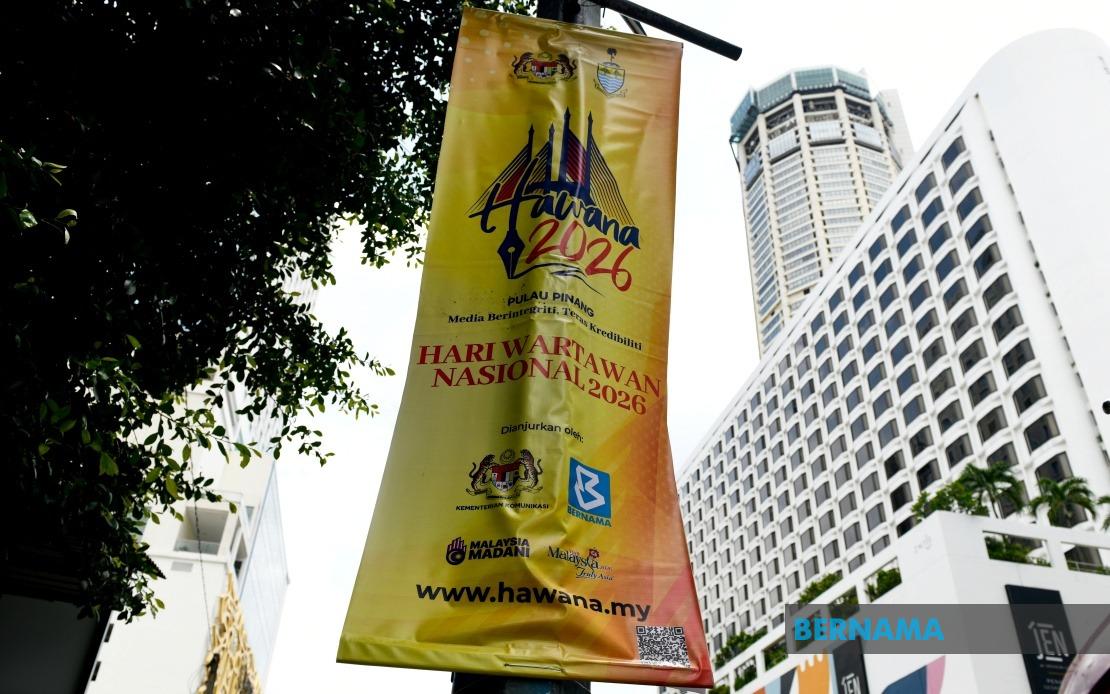
Penang's Chief Minister Chow Kon Yeow has expressed strong confidence in the successful delivery of the National Journalists' Day (HAWANA) 2026 celebration, which will take place in the state this weekend. Speaking in George Town on June 18, Chow said the state government views the event as an opportunity to reinforce public recognition of journalists' vital role in Malaysian society and their ongoing commitment to professional excellence. The celebrations aim to spotlight the indispensable contributions media practitioners make to national discourse and democratic accountability.
Preparations for the landmark event have been thorough, with the state government engaging extensively with the Communications Ministry over the preceding two to three months to iron out logistical and operational details. Chow emphasised that this collaborative approach between state and federal authorities demonstrates the government's commitment to hosting a world-class event befitting the occasion. The groundwork reflects recognition that hosting the national celebration of journalism requires meticulous coordination across multiple government agencies and private sector partners to deliver the expected calibre of programming.
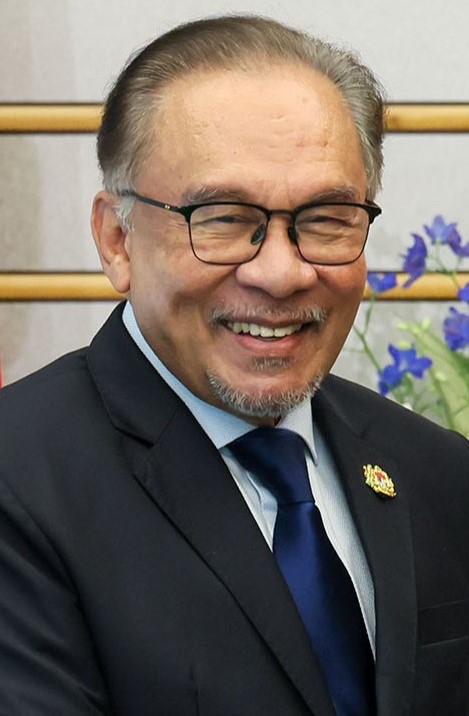
The centrepiece HAWANA 2026 Summit will convene on June 20 at PICCA Convention Centre @ Butterworth Arena, with Prime Minister Datuk Seri Anwar Ibrahim set to deliver the official opening. The summit is projected to draw approximately 1,000 media professionals from Malaysia and abroad, making it a significant gathering for the journalism community in Southeast Asia. This international dimension underscores Malaysia's standing within regional and global media networks and positions Penang as a hub for substantive discussions on journalism's future.
Central to this year's HAWANA is the thematic focus on "Media Integrity Strengthens Credibility." The theme reflects contemporary challenges facing journalism globally—navigating misinformation, maintaining editorial independence, and building public trust in an increasingly fragmented information ecosystem. By anchoring the celebration around these principles, organisers signal that professional journalism remains foundational to informed citizenry and social cohesion. For Malaysian journalists grappling with complex regulatory environments and shifting audience preferences, the summit offers a platform to explore best practices and reinforce collective professional standards.
Organisation of HAWANA 2026 falls under the purview of the Ministry of Communications, with Bernama, the Malaysian National News Agency, serving as the implementing body. This institutional framework ensures the event maintains formal government backing while leveraging Bernama's substantial network and expertise in media coordination. The arrangement also reflects Malaysia's structured approach to recognising and celebrating professional sectors, allowing the government to set policy direction while delegating execution to specialist agencies.
Complementing the main summit is the RIUH Pi HAWANA Carnival, a three-day public festival running concurrently at the same venue beginning the day before the summit opens. Organisers anticipate attracting around 30,000 visitors to this open-access component, substantially broadening the event's reach beyond the journalism profession. This expanded footprint allows ordinary Malaysians to engage with media issues, creative industries, and journalistic work in accessible, entertainment-oriented formats.
The carnival features curated participation from the creative economy, with more than 24 local creative product brands and 20 food and beverage vendors establishing activations throughout the venue. This marketplace component supports small-to-medium enterprises within Malaysia's burgeoning creative sector while demonstrating the intersection between media, culture, and commerce. Visitors can browse locally-produced goods, sample regional cuisine, and experience first-hand how creative professionals work—demystifying industries often perceived as distant from everyday life.
Interactive workshops form another pillar of the carnival experience, offering members of the public hands-on engagement with creative disciplines and digital media skills. These educational components acknowledge that journalism and creative work increasingly intersect with audience participation and digital literacy. By creating pathways for public learning, the carnival positions journalism not as a remote profession but as an accessible field where curious citizens can develop relevant competencies. Such opportunities prove particularly valuable for Malaysian youth considering career trajectories in evolving media landscapes.
Entertainment programming across the three-day carnival encompasses 16 free stage performances featuring established Malaysian artists including Exists, Bunkface, Masdo, Sakura Band, Budak Nakal Hujung Simpang, and Chelsea Ng. The musical line-up reflects contemporary Malaysian popular culture and generational diversity, appealing to younger audiences who might not otherwise attend formal journalism conferences. By embedding live performances within a professional event, organisers create festive atmosphere that normalises engagement with media institutions and journalistic practice.
Chow's public backing for the event carries particular significance given that chief ministers control substantial state-level resources and political capital. By visibly championing HAWANA 2026 and committing state government support, Chow signals that Penang's leadership views journalism as integral to governance and societal functioning. This stance proves especially relevant in Malaysia's federal context, where state governments often maintain distinct relationships with media outlets and press freedom advocacy groups, making a chief minister's public endorsement meaningful.
The hosting of HAWANA in Penang also reflects the state's strategic positioning as a progressive jurisdiction open to hosting major national events. Following years of development in infrastructure and convention facilities, particularly through the PICCA Convention Centre expansion, Penang has accumulated capacity and expertise for managing large-scale professional conferences. Successful hosting of HAWANA 2026 would further cement this reputation and potentially attract additional major events to the state, yielding economic and reputational benefits.
Looking ahead, the success of HAWANA 2026 will likely be measured not merely by attendance figures or logistical flawlessness, but by the substantive discussions it generates within Malaysian journalism about professional standards, editorial independence, and the sector's future amid technological disruption. For Malaysian media practitioners facing unprecedented industry challenges, the summit offers valuable space for collective reflection and renewal of professional commitment.