Parti Pejuang Tanah Air's formal entry into Perikatan Nasional constitutes a meaningful development in Malaysia's fractured political landscape, signalling what its leadership describes as an initial phase in assembling a broader coalition capable of mounting a credible challenge to the governing coalition. The decision by Pejuang, the political vehicle founded by former prime minister Mahathir Mohamad, to join the opposition bloc led by Tan Sri Muhammad Shafee Abdullah underscores growing recognition among disparate political actors that consolidation may be essential to their collective electoral prospects and governing ambitions.
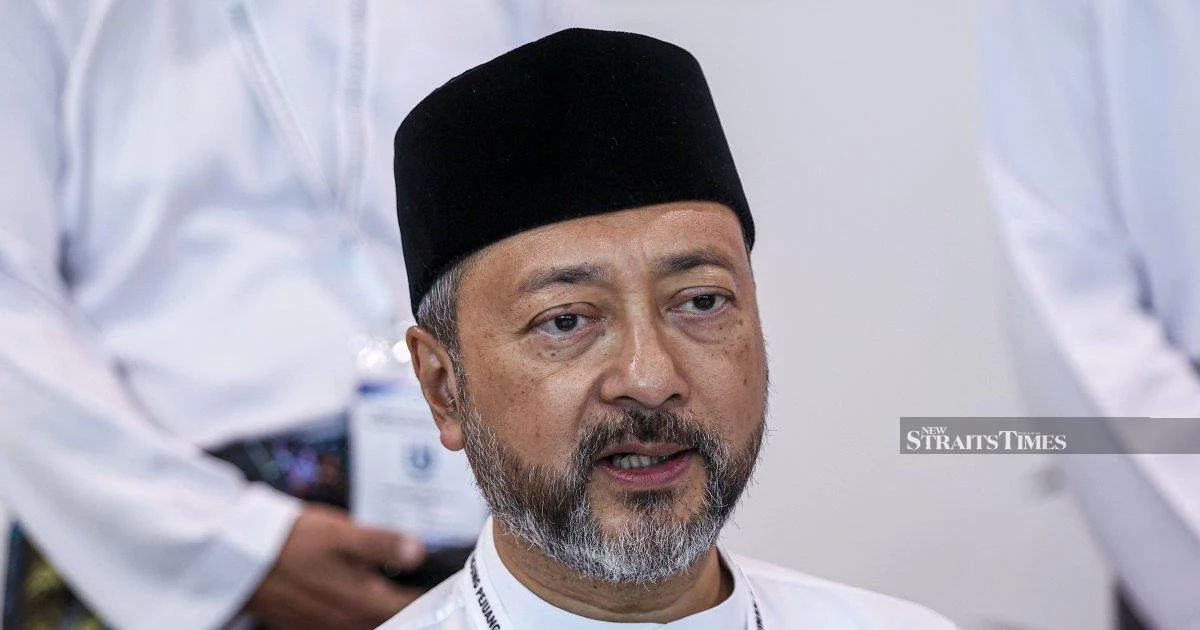
According to Pejuang president Datuk Seri Mukhriz Mahathir, the party's integration into PN extends beyond a simple tactical alliance. He characterised the move as emblematic of a wider initiative aimed at coordinating the opposition's response to mounting challenges confronting the country, ranging from economic pressures and inflation concerns to questions about institutional governance and political accountability. This framing suggests that PN advocates perceive the coalition as offering a viable platform for articulating alternative policy directions rather than merely functioning as an anti-government vehicle.
The significance of Pejuang's accession becomes clearer when contextualised within Malaysia's political trajectory since 2020. The collapse of the Sheraton Move alliance in February of that year fractured the opposition into competing blocs, with Perikatan Nasional eventually joining the governing coalition under Tan Sri Muhyiddin Yassin. Subsequently, the emergence of multiple opposition groupings—including PKR-led Pakatan Harapan, Perikatan's later realignment, and independent operators like Pejuang—created a fragmented landscape that many analysts argued diminished the opposition's aggregate negotiating power and electoral appeal.
Mukhriz's characterisation of this integration as the commencement of a broader unity endeavour implies that PN perceives the Pejuang accession as merely one component of a larger consolidation strategy. This raises questions about which other political entities might be targeted for incorporation into the PN framework. Whether other smaller parties, independent assemblymen, or perhaps dissident elements from larger blocs might follow represents a consequential variable for understanding the evolving balance of power within Malaysian politics. The willingness of different actors to coalesce around PN's political platform will substantially determine whether the coalition can translate structural growth into genuine electoral and parliamentary advantage.
For Malaysian voters and observers, Pejuang's move carries implications that extend beyond ceremonial coalition mathematics. The party's founder and former premier remains a significant figure within the electorate, commanding considerable name recognition and cross-generational appeal despite the controversies attending his previous tenure in office. By positioning Pejuang within an established opposition structure, the party essentially pledges to subordinate—at least nominally—its organisational independence to broader coalition objectives and decision-making processes. Whether this arrangement proves sustainable depends considerably upon whether PN's policy positions and governing vision align sufficiently with Pejuang's stated priorities.
The timing of this consolidation also merits careful examination. Malaysia currently confronts economic headwinds, including inflationary pressures and concerns about fiscal sustainability that have begun resonating with middle-class and urban constituencies. Meanwhile, questions surrounding judicial independence, media freedom, and institutional autonomy persist in political discourse. By emphasising PN's capacity to address these multifaceted challenges, opposition leadership signals that the coalition aspires to present itself as a comprehensive alternative rather than merely a collection of parties united primarily by antipathy toward the current government. Whether this messaging resonates with voters remains to be determined.
Regionally, Malaysia's political reconfiguration also carries significance for Southeast Asian observers monitoring intra-institutional dynamics and power transitions. The success or failure of PN's consolidation efforts may offer instructive lessons regarding coalition-building in competitive but contested democratic environments. Countries across the region wrestling with opposition fragmentation and ruling coalition durability will likely monitor closely how Malaysian parties navigate questions of coalition discipline, policy harmonisation, and power-sharing arrangements.
The stated objective of addressing national challenges through broader unity reflects recognition that electoral survival and governing capacity increasingly depend upon demonstrating tangible competence in economic management and institutional stewardship. Mukhriz's emphasis on unified action against mounting pressures implicitly argues that the current government's approach to these challenges proves inadequate, and that PN-led governance would deliver superior outcomes. This framing positions coalition expansion as strategically logical rather than merely opportunistic—a rhetorical move designed to enhance the coalition's credibility among undecided and swing voters.
Moving forward, observers should monitor several key indicators regarding PN's consolidation trajectory. The internal coherence of the expanded coalition, particularly regarding policy positions on contentious issues, will substantially determine whether apparent unity translates into effective parliamentary coordination. Additionally, the degree to which Pejuang maintains distinct organisational identity whilst operating within PN structures will reveal important truths about coalition dynamics. Finally, whether this consolidation strategy ultimately strengthens PN's electoral competitiveness remains perhaps the most consequential question of all, as Malaysian voters will ultimately render judgment on whether the opposition's structural reorganisation warrants supporting a change of government.

