The Royal Malaysia Police (PDRM) has committed substantial resources to safeguard the upcoming Johor State Election, announcing a deployment of 11,926 officers and personnel to oversee security arrangements and facilitate orderly voting procedures. The scale of this mobilisation underscores the significance the national police force places on maintaining electoral integrity and public confidence in the democratic process across the state.
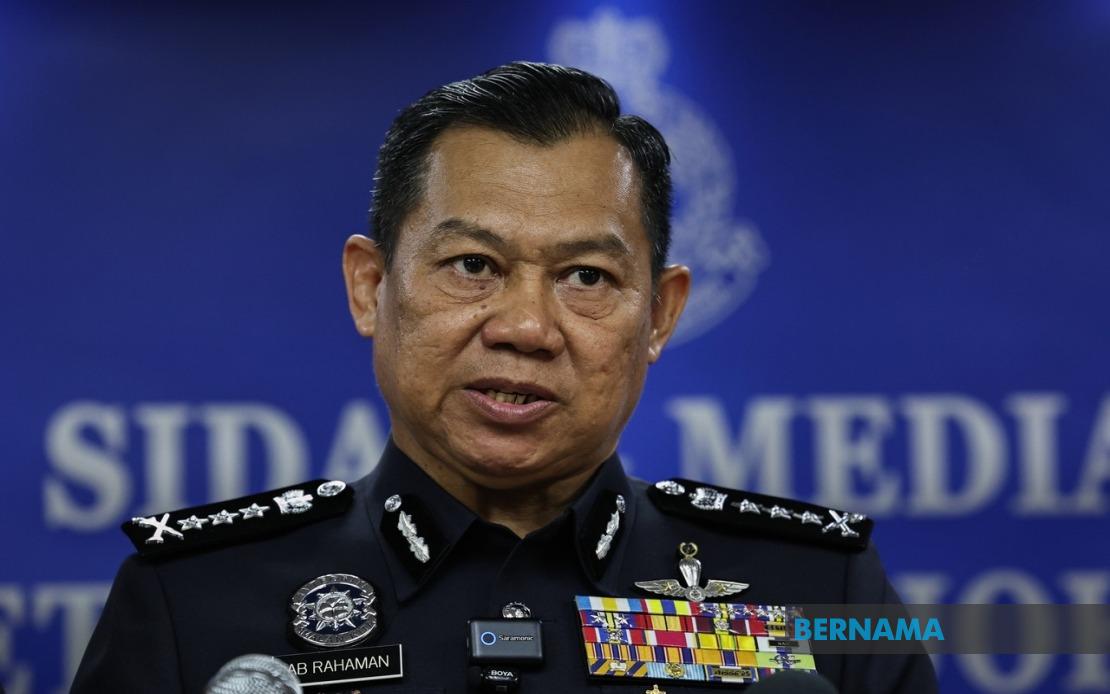
Johor Police Chief Datuk Ab Rahaman Arsad revealed that the deployment strategy will unfold across five distinct operational phases, each calibrated to address specific challenges and requirements as the election progresses from pre-polling preparation through to polling day and the immediate aftermath. This phased approach allows the police contingent to allocate resources dynamically, concentrating personnel at critical junctures while maintaining broader security coverage throughout the electoral calendar.
Speaking at the Johor Police Contingent Headquarters, Ab Rahaman emphasised that deployment figures would remain flexible, with adjustments made according to evolving operational needs. This flexibility reflects lessons learned from previous electoral exercises in Malaysia and acknowledges that security requirements can shift unexpectedly depending on public sentiment, crowd management challenges, or emerging intelligence about potential disruptions. The commitment to adaptive deployment demonstrates a professional approach to law enforcement planning rather than rigid adherence to predetermined force structures.
Beyond the core PDRM personnel, the Johor Police Contingent has secured augmentation from specialised units operating under the Internal Security and Public Order Department (KDNKA). This supplementary force comprises 54 officers and 701 additional personnel drawn from the General Operations Force, Federal Reserve Unit, PDRM Air Unit, and Marine Police Force. The inclusion of such specialised capabilities—particularly aerial reconnaissance and water-based enforcement—suggests planning for a comprehensively secured electoral environment across diverse terrain and potential flashpoints.
The General Operations Force (GOF) contingent will likely focus on high-risk areas where political tensions run highest or where intelligence suggests elevated risks of civil disorder. The Federal Reserve Unit brings crowd-control expertise and riot-management capabilities, valuable should large gatherings become unruly. Meanwhile, PDRM Air Unit involvement indicates surveillance and rapid-response capacity, while the Marine Police Force underscores attention to security across Johor's coastal constituencies and waterways, which feature prominently in the state's geography and electoral landscape.
Johor's election holds particular significance within Malaysia's broader political context. As a state traditionally associated with specific political movements and where electoral outcomes carry implications for national coalitions, security operations must simultaneously project confidence in democratic processes while neutralising any actors intent on disruption. The substantial personnel deployment serves both practical security functions and a symbolic reassurance to voters that authorities take their safety and voting experience seriously.
The scale of police mobilisation also reflects Malaysia's experience with electoral management over recent years. Previous state elections and the 2022 general election provided important data about vulnerabilities, crowd dynamics, and resource allocation requirements. The Johor deployment benefits from these experiences, incorporating institutional knowledge about what works and where gaps previously emerged. This institutional learning helps optimise the distribution and positioning of the 11,926 personnel across the state.
For Malaysian and Southeast Asian observers, such electoral security operations illustrate the complex interplay between maintaining order and preserving democratic freedoms. A police presence that feels heavy-handed can intimidate voters; one perceived as insufficient risks enabling disruption. The five-phase approach and emphasis on adjustment suggest an attempt to navigate this balance, though observers from various political perspectives will inevitably scrutinise whether the deployment favours any particular faction or campaign.
The inclusion of federal paramilitary units alongside regular police adds another dimension. Their deployment signals that state-level authorities expect potential challenges significant enough to warrant federal support, while also ensuring consistency with national security protocols. For neighbouring states and regional security analysts, such mobilisations offer insights into how Malaysia's security apparatus distributes resources during high-stakes political events and where vulnerabilities might exist that require federal-level response mechanisms.
Officially, all electoral security operations target maintaining public order and protecting both voters and election workers. In practice, they communicate messages about state capacity, institutional readiness, and political stakes. The Johor Police Contingent's announcement of nearly 12,000 personnel sends a clear signal that authorities regard this election as warranting maximum professional attention and substantial resource commitment, whether to manage anticipated crowds, counter intelligence about planned disruptions, or simply demonstrate state capability during an important democratic exercise that Malaysian political dynamics ensure will receive intense scrutiny from multiple quarters.