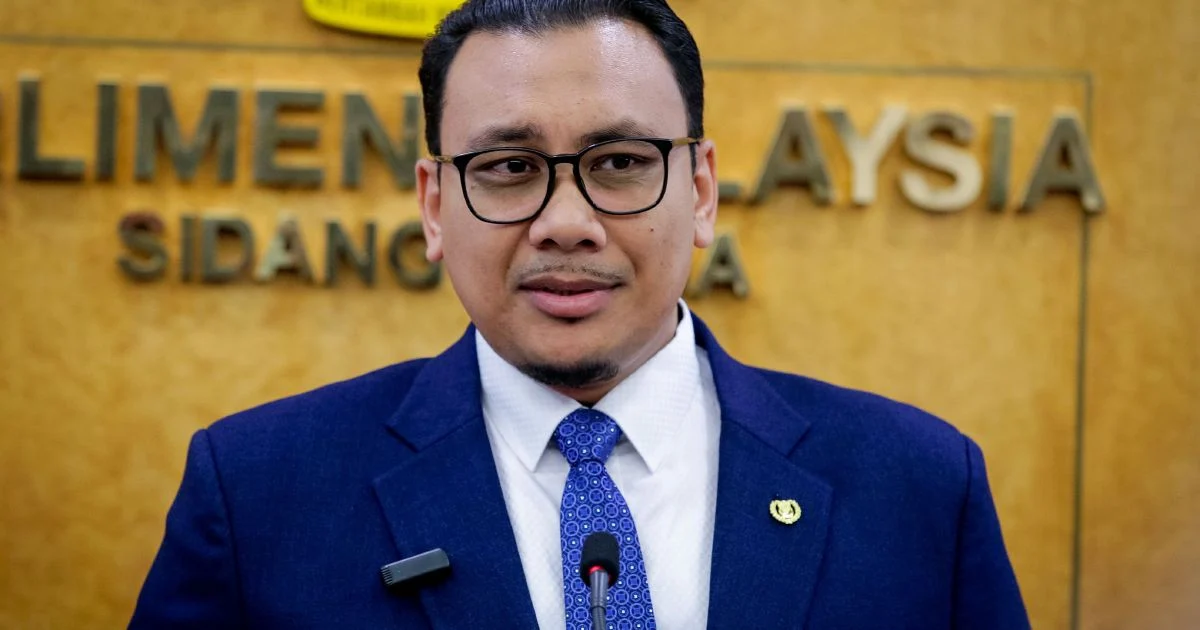
Afnan Hamimi Taib Azamudden, the leader of PAS Youth, has decided to escalate a social media dispute into formal legal proceedings after a controversial Facebook post allegedly containing insulting remarks about his father surfaced online. The move represents a hardening stance on what began as a digital-age disagreement between party figures, shifting the matter from public commentary into the courts.
The Facebook post in question has been attributed to a senior figure within Bersatu, the political party led by former Prime Minister Muhyiddin Yassin. According to Afnan Hamimi's position, the content contained derogatory language directed at his father and extended family members. Rather than allowing the matter to dissipate through traditional political rebuttals or social media responses, the PAS Youth chief has opted to seek remedies through Malaysia's legal system, reflecting a broader trend of politicians turning to the judiciary when digital disputes arise.
This incident occurs within the complex landscape of Malaysian coalition politics, where multiple Malay-Muslim parties compete for influence and constituency support. PAS, the Pan-Malaysian Islamic Party, has maintained parliamentary representation and state-level power bases, while Bersatu, though newer to the political establishment, has secured significant ministerial positions in recent governments. The friction between youth wings of these parties can signal broader tensions between parent organisations.
The decision to pursue legal action carries several implications for political discourse in Malaysia. By moving beyond verbal exchanges and social media posts, Afnan Hamimi signals that personal attacks on family members will not be tolerated without consequence. This approach may set a precedent for how other political figures handle online harassment or insulting content directed at their relatives, potentially establishing new boundaries for acceptable political communication.
Facebook remains a significant platform for Malaysian political messaging, particularly for reaching grassroots supporters and younger constituents. The site has hosted numerous political disputes over recent years, with inflammatory posts occasionally sparking offline consequences. However, most such incidents are eventually left to fade from public discourse. By instructing his legal team to proceed, Afnan Hamimi is choosing to transform what might otherwise become a forgotten digital argument into a documented legal case.
The involvement of lawyers in this matter suggests the potential deployment of Malaysia's defamation laws, which remain relatively robust despite ongoing debates about their impact on free speech. Defamation claims can require substantial evidence and may involve questions about whether allegedly insulting statements constitute factual claims or mere opinion. Courts must distinguish between robust political criticism, which is generally protected, and personal slurs that cross into actionable territory.
For PAS Youth, this move may strengthen Afnan Hamimi's position within the organisation by demonstrating a willingness to defend family honour aggressively. Youth wings often serve as proving grounds for emerging political talents, and handling challenges decisively can enhance a leader's standing among supporters. The message that personal attacks will be met with legal consequences rather than ignored could influence how critics interact with the PAS Youth leadership going forward.
Within the broader context of Malaysian politics, tensions between coalition partners are not unusual despite public displays of unity. PAS and Bersatu have had to navigate competing interests in parliament and at state level, particularly in contests for ministerial positions and policy influence. Incidents like this Facebook dispute, though ostensibly personal, can reflect underlying organisational friction that plays out across multiple levels of political interaction.
The timing and visibility of this legal escalation matter considerably. Public announcement of legal instructions serves multiple audiences: it demonstrates resolve to party members and supporters while signalling to political opponents that certain behaviour carries tangible consequences. In an era where political leaders monitor social media closely and where viral posts can reach hundreds of thousands within hours, taking a firm stance on unacceptable content has become part of political strategy.
Observers of Malaysian politics will watch whether this case reaches actual court proceedings or whether settlement discussions occur beforehand. Many defamation disputes in Malaysia are resolved through negotiated settlements, media apologies, or post-removal agreements without reaching judgment. The legal process itself, however, provides a formal mechanism through which disputed facts and statements can be examined and contested.
This situation also highlights ongoing conversations about family privacy in political life. As the children and relatives of politicians increasingly maintain their own social media presence and build profiles independent of their parents' public roles, questions arise about what degree of protection they should receive from political criticism and online attacks. The legal system's approach to such matters continues to evolve as courts encounter more cases involving family members of public figures.
The broader implications extend to how Malaysian political culture navigates the intersection of traditional notions of family honour with contemporary digital communication norms. Different cultural and religious backgrounds within Malaysia may view such matters differently, adding complexity to how courts and society assess what constitutes unacceptable speech versus legitimate political discourse.

