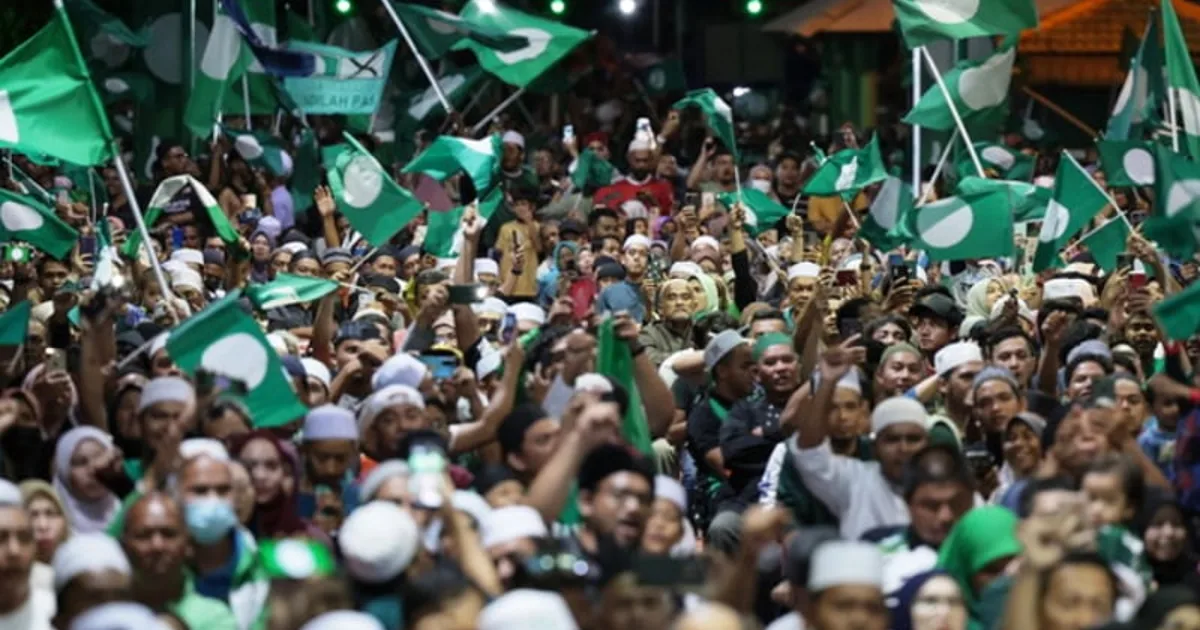
The Pan-Malaysian Islamic Party has implemented a significant tactical shift in its electoral strategy, systematically withdrawing its campaign machinery from parliamentary and state constituencies that are being contested by Bersatu, its coalition partner within the Perikatan Nasional bloc. Instead of spreading organisational resources across multiple seats, PAS has opted to consolidate its efforts in areas where the Islamic party itself is fielding candidates, as well as in constituencies where other component parties of the PN alliance are mounting their own campaigns. This reallocation reflects a deliberate prioritisation of resources aimed at maximizing the coalition's overall electoral performance through focused intervention in winnable and strategically significant seats.
The decision underscores the complexity of coalition dynamics in Malaysian politics, where ostensibly united blocs must navigate the competing interests of multiple parties with distinct organisational structures and electoral priorities. By concentrating its machinery on seats it directly contests, PAS can deploy its considerable grassroots networks—particularly strong in rural and conservative constituencies—where they will have the greatest tangible impact on voter mobilisation and campaign messaging. This approach allows the party to avoid duplication of effort and resource wastage in constituencies where Bersatu's campaign apparatus may already be sufficiently developed or where the local political context favours another PN component.
The move carries particular significance for understanding how Perikatan Nasional functions as a coalition. Unlike some political alliances that operate through centralised command structures, PN permits considerable autonomy to member parties in determining their campaign strategies and resource allocation. This flexibility allows parties like PAS to pursue strategies that align with their specific strengths and electoral base, rather than being bound by rigid coalition-wide directives. The current repositioning suggests that coalition strategists believe efficiency gains from such targeted deployment will enhance overall PN performance in the elections, particularly in contexts where direct inter-coalition competition is less relevant than maximising gains against opposition parties.
For Bersatu, the development presents both advantages and potential challenges. The withdrawal of PAS machinery from its contested seats reduces the risk of intra-coalition friction that might arise from overlapping campaign activities and competing candidate nominations in the same constituencies. However, it also means Bersatu must ensure its own organisational capacity is sufficient to effectively contest these seats without the supplementary support that PAS mobilisation might have provided. Bersatu's challenge lies in strengthening its campaign presence in constituencies where it is the PN standard-bearer, particularly given the party's relative newness and smaller grassroots infrastructure compared to more established PN components.
The strategic reallocation also reflects broader calculations about the electoral landscape. By focusing PAS resources on constituencies where the party contests directly, coalition planners presumably anticipate that this concentration will translate into stronger results in PAS strongholds, potentially offsetting any modest losses in Bersatu seats where PAS support might have been merely supplementary. This mathematics of coalition politics requires careful assessment of local conditions, incumbent strength, and likely voter behaviour in each constituency, suggesting that such decisions are typically informed by detailed polling and analysis rather than mere partisan preference.
From a Malaysian electoral perspective, the move illustrates how coalition partners navigate the inherent tensions between maintaining unified fronts and pursuing individual party interests. PAS, as the dominant Islamic-oriented party in PN, naturally seeks to maximise its parliamentary representation and influence within the coalition. By concentrating resources strategically, the party can strengthen its negotiating position within PN structures, potentially securing more influential committee placements or policy priorities in any subsequent coalition government. This intra-coalition leverage-building is a normal feature of Malaysian political coalitions and reflects sophisticated party management.
The implications for voters in Bersatu-contested constituencies merit consideration. While PAS organisational withdrawal may reduce the overall campaign intensity in these seats, it does not necessarily disadvantage Bersatu candidates. Many Bersatu supporters across these constituencies would likely support PAS candidates in PAS-contested seats anyway, given the coalition affiliation and shared policy orientations. The reallocation simply recognises that PAS members' votes matter most where they can directly elect their party's representatives. This logic extends across other PN component parties, each of which presumably receives campaign support concentrated on their directly-contested seats.
Regionally, this kind of coalition coordination carries relevance for Southeast Asian political observers. Coalition management remains a critical skill in Malaysian politics, where no single party typically commands majority power. How effectively PN components cooperate while maintaining distinct identities and pursuing individual electoral goals will significantly influence the coalition's overall viability and longevity. The current reallocation suggests a coalition that has developed sufficiently sophisticated internal mechanisms to make strategic allocation decisions, though such decisions can also generate friction if parties feel their interests are being subordinated.
The longer-term implications will become clearer once electoral results are announced and coalition performance can be measured against alternative scenarios. If the PAS reallocation strategy contributes to strong PN overall performance, it will likely become a template for future coalition campaigns. Conversely, if Bersatu constituencies perform disappointingly relative to expectations, the strategic withdrawal may be questioned as insufficient support for coalition partners. Either outcome will inform how Malaysian political coalitions approach resource allocation in subsequent electoral cycles, potentially influencing the broader balance of power within PN and the wider political system.

