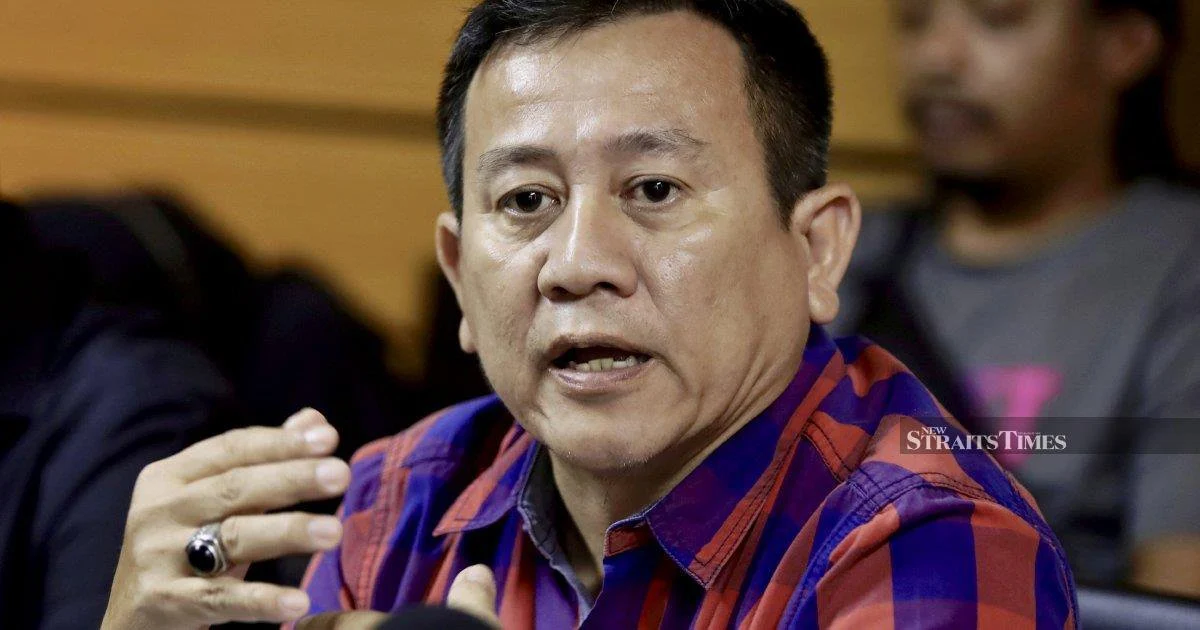
The simmering power dynamics within Perikatan Nasional have surfaced once again, with Bersatu information chief Datuk Tun Faisal Ismail Aziz publicly flagging concerns about PAS's expanding dominance over the opposition coalition. His remarks, made in Kuala Lumpur, characterise the Islamic party's recent manoeuvres in restructuring the alliance's leadership framework as a deliberate strategy to entrench its supremacy within the bloc that has positioned itself as an alternative government.
Tun Faisal's commentary sheds light on festering internal contradictions that have increasingly defined Perikatan Nasional's trajectory since its formation. The coalition, which united PAS, Bersatu, and Perikatan Selangor initially, has struggled to maintain equilibrium among its constituent parties—each jostling for control of the shared political platform. The recent leadership modifications appear to have triggered alarm within Bersatu's upper echelons, compelling them to articulate their grievances publicly rather than through customary behind-the-scenes negotiations.
PAS, as Malaysia's largest Islamic party by membership and parliamentary representation, has consistently leveraged its numerical strength to shape coalition decisions. However, the pace and nature of recent restructuring efforts suggest a qualitative shift toward more assertive consolidation. By engineering changes to the leadership architecture, PAS appears intent on reducing countervailing influence from smaller coalition partners, a manoeuvre that raises questions about the viability of collective decision-making within Perikatan Nasional as it charts its path toward eventual electoral contests.
The timing of Tun Faisal's intervention is significant. Rather than allowing such matters to remain within closed-door meetings, the Bersatu spokesperson chose to air the grievances publicly, suggesting both frustration with the trajectory and a desire to rally party members around shared concerns about marginalization. This approach reflects a broader pattern among opposition figures who resort to media commentary when institutional channels fail to deliver satisfactory outcomes or when they believe their party's interests face systematic erosion within coalition structures.
Bersatu's position within Perikatan Nasional has evolved considerably since the coalition's inception. Once positioned as a co-equal partner with genuine say in directional choices, the party now appears to occupy a subordinate status, particularly following defections and electoral setbacks that diminished its parliamentary footprint. The leadership restructuring, from this vantage point, represents another incremental diminishment of Bersatu's institutional leverage—a trend that compounds earlier anxieties about the party's long-term relevance within the alliance.
The broader implications for Malaysian politics warrant careful consideration. A coalition riven by internal power struggles and increasingly dominated by a single party risks presenting a fragmented face to the electorate. Voters evaluating alternatives to the ruling Barisan Nasional formation may find little reassurance in an opposition alliance that appears torn between internal factionalism and hierarchical control. The public airing of such tensions, while honest, simultaneously undermines the coalition's credibility as a unified governing alternative.
PAS's iron-fisted approach, as characterized by Tun Faisal, also reflects the party's assessment of its political capital. With a formidable grassroots organization, strong support in rural constituencies, and a clearly defined ideological platform, PAS may calculate that it can subsume or marginalize coalition partners without significant electoral consequence. This calculation rests partly on the assumption that opposition voters have limited alternatives and that PAS's particular brand of Islamist politics will not alienate the broader anti-government constituency. However, such assumptions grow shakier as coalition fractures become increasingly visible.
The restructuring of leadership within Perikatan Nasional must also be contextualized within Malaysia's evolving political landscape. The 2022 general election produced a fragmented parliament where no single coalition commanded an unambiguous mandate, necessitating complex coalition-building among disparate groups. In such fluid conditions, parties jostle continuously for positioning, seeking to maximize their influence before the next electoral cycle. PAS's moves, from this perspective, represent rational self-interest in a context of high political uncertainty.
Yet the consolidation of power within a single party risks crystallizing opposition dynamics in problematic ways. Should Perikatan Nasional emerge as the dominant opposition coalition in future electoral contests, Malaysian voters would be placing confidence in a structure demonstrably prone to domination by PAS. For supporters of Bersatu and other smaller partners, this trajectory presents an uncomfortable reality: either accept diminished roles within a PAS-dominated coalition or contemplate breaking away to pursue independent political strategies—each option fraught with risk.
Tun Faisal's public articulation of these concerns also serves a secondary function within Bersatu's internal politics. By positioning the party as vigilant against unwanted power consolidation, he reinforces narratives about Bersatu's principled defence of coalition balance and shared governance. This messaging becomes particularly important as Bersatu seeks to retain relevance and member confidence in a context where its parliamentary representation has contracted significantly.
Moving forward, the trajectory of Perikatan Nasional will depend substantially on whether parties can negotiate settlements that preserve sufficient autonomy and voice for coalition partners while maintaining the united front necessary to mount credible electoral challenges. The alternative—continued domination by PAS coupled with public complaints from other parties—risks gradually eroding the coalition's coherence and appeal. For Malaysian observers, these internal dynamics merit close attention, as they will shape the nature of political competition and the genuine choices available to voters in coming electoral contests.