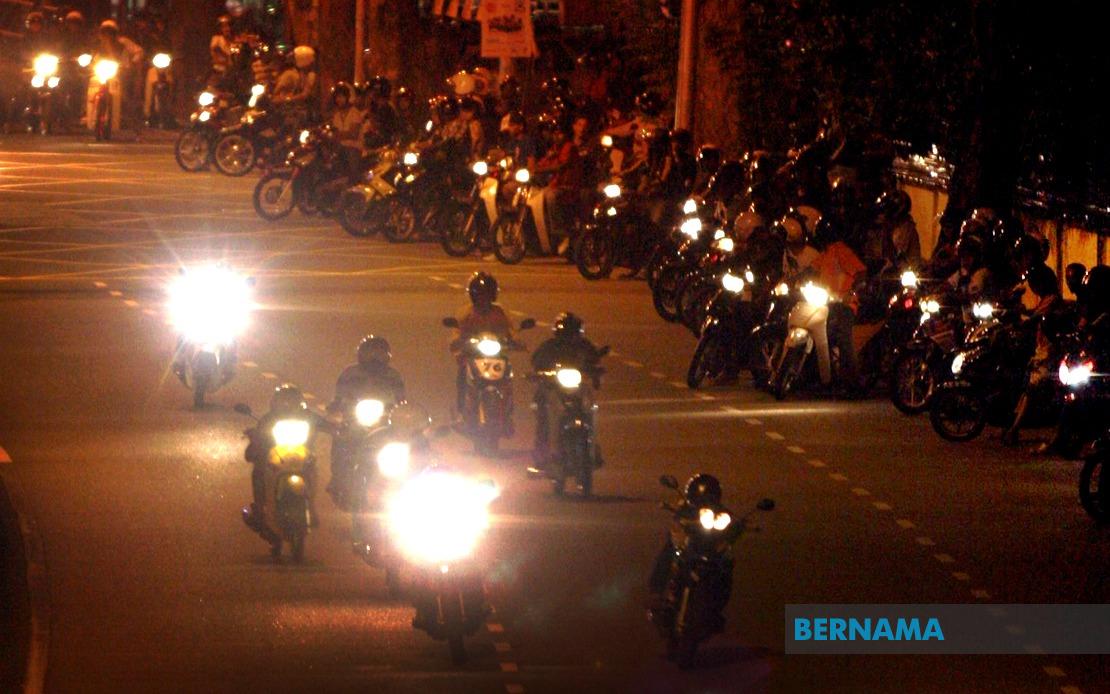
Malaysian lawmakers have signalled a significant hardening of approach toward illegal street racing, putting forward a suite of punitive and rehabilitative measures during parliamentary debate on the Road Transport (Amendment) Act 2026. The discussion reflects growing frustration among elected representatives with the persistence of dangerous racing activities, particularly following a fatal incident in Simpang Renggam, Johor on June 1 that claimed multiple lives and involved high-performance vehicles.
The most striking proposal to emerge from the floor debate centres on the permanent revocation of driving licences for offenders. Datuk Willie Mongin, representing Puncak Borneo, argued forcefully that the government must send an unambiguous message about the seriousness of the offence by stripping convicted racers of their right to drive. He recommended coupling this permanent loss of privileges with substantially increased financial and custodial penalties, suggesting a minimum fine of RM300,000 combined with five years imprisonment. The severity of this proposal underscores a recognition that existing deterrents have failed to stem participation in illegal racing, particularly among younger demographics who view street racing as a cultural or recreational pursuit rather than a genuine criminal enterprise.
Beyond punitive measures, several MPs advocated for rehabilitative interventions designed to address the underlying behavioural drivers of illegal racing participation. Khairil Nizam Khirudin from Jerantut proposed embedding a structured rehabilitation programme into the sentencing framework, incorporating both disciplinary components and mandatory community service. This approach acknowledges that simple detention or fines have not effectively deterred repeat offences or prevented new participants from joining racing subcultures. The inclusion of community service elements could expose offenders to the human consequences of dangerous driving practices, potentially shifting attitudes more fundamentally than financial penalties alone.
A particularly novel proposal involves extending accountability to the families of offenders. Khairil Nizam Khirudin suggested that parents of individuals engaged in illegal racing bear some legal responsibility for their children's actions, seeking to reactivate what he characterised as traditional family institutional oversight. This suggestion attempts to address a perceived erosion of parental authority and supervision, reflecting broader societal concerns about youth discipline and family-based crime prevention mechanisms. The proposal remains contentious, however, as it touches on questions of parental culpability for adult children's criminal choices.
The debate also revealed significant concern about the role of modification workshops in enabling illegal racing activities. MPs called for coordinated enforcement between the Ministry of Transport and the Ministry of Domestic Trade and Cost of Living, with suggestions to leverage existing provisions under Section 66 of the Road Transport Act 1987 to target workshops engaged in illegal motorcycle modifications. This targeting of the supply chain—rather than enforcement only at the point of racing—addresses a practical gap in current regulatory frameworks. By making it riskier and more difficult to obtain illegally modified vehicles, authorities could reduce participation before racing ever occurs on public roads.
Shaharizukirnain Abd Kadir went further, proposing that excessively modified motorcycles be subject to destruction or disposal following confiscation. Such an approach, commonly employed in other jurisdictions, removes temptation and investment from the equation; offenders who know their vehicles will be destroyed if caught face a sharper cost-benefit analysis. The destruction of vehicles also eliminates them as sources of underground market sales or transfers to other potential racers, thus reducing the pool of modified vehicles available for street racing activities.
A critical shift in enforcement focus emerged during debate concerning the scope of illegal racing legislation. Wan Razali Wan Nor urged that anti-racing provisions, particularly Section 42A of the Road Transport Act, be extended to cover all vehicle types rather than remaining concentrated on motorcycles. The Simpang Renggam tragedy, involving luxury automobiles, demonstrated that illegal racing with cars can produce equally devastating consequences. This expansion would broaden the legal landscape considerably, capturing street racing involving high-powered sedans, sports cars, and modified vehicles that currently may operate in enforcement grey zones. Such an expansion also reflects recognition that illegal racing culture has evolved beyond its historical association primarily with motorcycles.
The compensation and victim welfare dimension received considerable parliamentary attention, with MPs emphasising that offenders driving under the influence of alcohol or drugs should bear direct financial responsibility for injuries and treatment costs incurred by their victims. Zahari Kechik proposed establishing formal compensation mechanisms within the framework of amended Sections 44 and 45A through 45C of the Road Transport Act 1987. This would shift the burden of victim support away from public health systems and insurance pools toward the individuals whose criminal conduct caused the harm, operating on a principle of direct accountability. Such provisions could also incentivise safer behaviour by making the true financial cost of impaired driving immediately apparent to potential offenders.
The parliamentary engagement reflects a broader recalibration of how Malaysian authorities view illegal racing—no longer as a youth problem or victimless thrill-seeking, but as a genuine public safety crisis with tragic consequences. Twenty-four MPs from both government and opposition benches participated in the debate, indicating cross-party recognition of the issue's gravity. The proposals collectively suggest a move toward multi-layered intervention combining deterrence through harsher punishment, rehabilitation through structured programmes, upstream disruption through modification workshop enforcement, and downstream victim support through compensation mechanisms.
For Malaysian road users and families who have experienced the impact of street racing incidents, these parliamentary proposals represent a potential turning point. However, the translation of proposed legislative amendments into effective enforcement will require coordinated action across multiple government agencies, including transport authorities, traffic police, and local councils. Implementation challenges will likely include resource constraints, the technical difficulty of identifying illegally modified vehicles, and the cultural resilience of racing subcultures that view such activities as identity-defining rather than criminal.
The continuing parliamentary sitting will determine which of these proposals ultimately find their way into amended legislation. The outcomes will substantially reshape the legal framework governing road conduct and enforcement priorities, with implications extending beyond individual offenders to affected communities, victim support systems, and the broader perception of governmental commitment to road safety. For regional policymakers observing Malaysian legislative developments, these proposals may also serve as templates or cautionary examples for addressing similar illegal racing phenomena in Southeast Asia.

