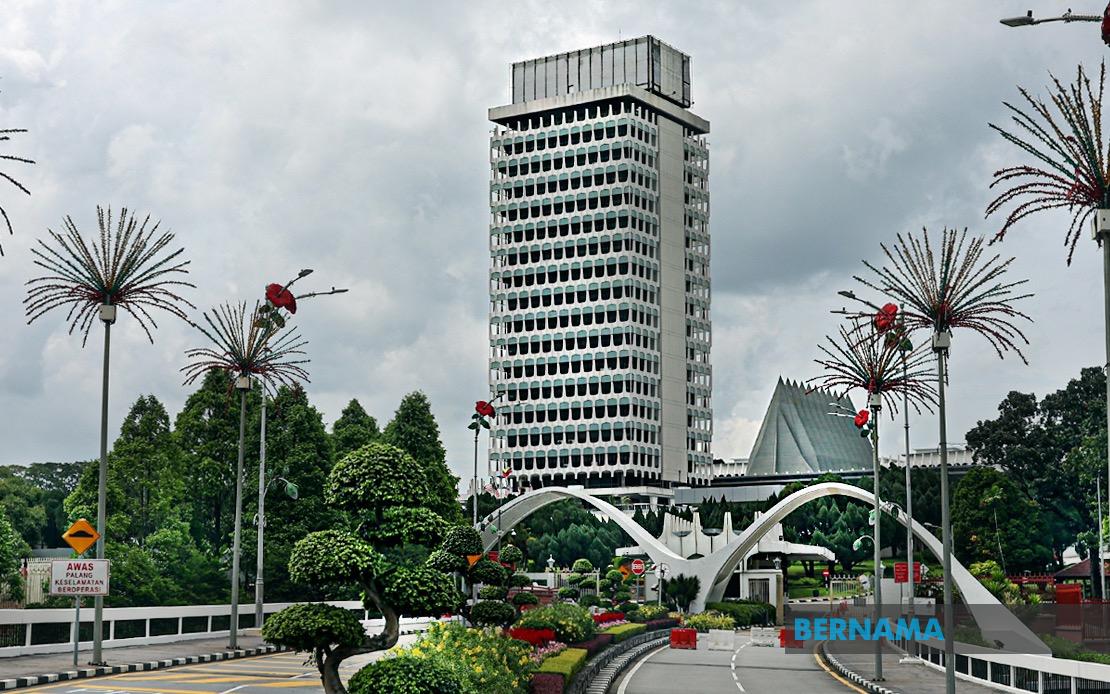
Parliament convenes today for what promises to be a substantive debate on three critical policy areas: water infrastructure resilience, market competition oversight, and digital safety protections. The 16-day session, which runs through July 16, will see members raise questions spanning essential services, consumer protection, and data privacy—matters of direct concern to Malaysian households and businesses navigating resource constraints, housing affordability challenges, and the evolving digital landscape.
Water scarcity remains an acute challenge across Malaysia, particularly in economically vital states like Johor. Suhaizan Kaiat, representing Pulai under the Pakatan Harapan coalition, will press the Energy Transition and Water Transformation Minister on concrete measures to expand the state's water supply infrastructure. The question zeroes in on multiple dimensions of the solution: dam construction, water treatment facility upgrades, and the integration of recycled water systems. These elements reflect a shift toward integrated water management, where diversifying supply sources becomes essential as demand grows with urbanisation and industrial expansion. For the region, Johor's water security directly affects economic hubs like the Johor Bahru metropolitan area and has cross-border implications with Singapore, making this inquiry particularly significant for long-term bilateral resource stability.
The government's strategic approach to water infrastructure reveals recognition that demand will outpace conventional supply if left unaddressed. Recycled water integration, once considered auxiliary, is increasingly viewed as a core component of resilient systems. The question signals legislative interest in seeing actionable timelines and investment commitments rather than broad policy statements. Given Malaysia's experience with water rationing in recent years, parliamentarians and constituents alike are seeking specificity about when new capacity will come online and how it will be distributed across competing demands from domestic consumption, agriculture, and manufacturing.
Equally pressing is the matter of housing market competition. Datuk Seri Ismail Abd. Muttalib from Maran, representing the Perikatan Nasional bloc, will interrogate the Domestic Trade and Cost of Living Minister on the Malaysia Competition Commission's effectiveness in curbing anti-competitive behaviour in housing. His two-part query addresses both preventive oversight—monitoring price offers and packages—and investigative rigour in detecting collusion, price-fixing, and market manipulation. These concerns reflect widespread public frustration over housing affordability, a perennial grievance across Malaysia's urban centres where property prices have dramatically outpaced income growth.
The MyCC's mandate in this sector carries particular weight because housing is both an essential service and a major household investment. Unlike commodities with liquid secondary markets, residential property decisions are infrequent and capital-intensive, making consumers vulnerable to anti-competitive practices they may not immediately recognise. The question implicitly probes whether the commission possesses adequate resources, enforcement powers, and data access to identify and prosecute violations. This oversight function is especially critical given Malaysia's rapid urbanisation and the speculative dynamics that can distort housing availability and affordability for first-time buyers and young families.
Parliament will also examine the digital governance framework, specifically age verification mechanisms for social media platforms. Syahredzan Johan, the Bangi member from Pakatan Harapan, will ask Communications Minister about both the policy rationale and implementation safeguards surrounding age verification. His inquiry addresses a genuine policy tension: protecting minors from inappropriate content and predatory behaviour requires knowing user ages, yet age verification systems inherently collect personal data, raising privacy concerns. The question forces a discussion of proportionality—ensuring that licensed service providers access only the minimum necessary information and maintain robust deletion protocols once verification is complete.
This inquiry reflects Malaysia's attempt to navigate global trends in digital regulation while protecting children's welfare. Other jurisdictions, including the European Union and some US states, have grappled with similar frameworks. The Malaysian approach suggests a preference for industry-led verification rather than government surveillance, but the parliamentarian's focus on data minimisation and deletion timelines indicates legislative intent to prevent function creep where age verification systems become surveillance infrastructure. For Malaysian parents and digital rights advocates, this debate will signal how seriously the government takes both child protection and privacy simultaneously.
The three questions collectively illustrate parliament's engagement with infrastructure resilience, consumer protection, and digital governance—areas where government intervention significantly affects household welfare and economic competitiveness. Water security determines industrial productivity and quality of life; housing competition policy affects wealth accumulation opportunities; and digital safety shapes the environment in which Malaysians, particularly young people, conduct their online lives. Each question assumes that government ministries and regulatory bodies bear responsibility for translating policy intent into measurable outcomes.
The questioning method itself reflects parliamentary oversight's role in demanding accountability and specificity. Rather than accept general statements about commitment to better water management, stronger competition enforcement, or child protection online, parliamentarians are pressing for evidence of effectiveness, adequacy of resources, and clarity on timelines. This approach recognises that policy announcements without implementation mechanisms remain aspirational rather than transformative. For Malaysian readers monitoring these sessions, the quality and candour of ministerial responses will indicate whether these commitments translate into tangible improvements in service delivery, market fairness, and digital safety.
With the session extending through mid-July, parliament will have adequate time to probe related issues and build on these initial questions. The breadth of today's agenda—spanning infrastructure, competition, and digital governance—suggests a parliament grappling with Malaysia's transition toward sustainable urbanisation, competitive markets, and digital maturity. How effectively these three areas are addressed will significantly influence Malaysia's trajectory toward inclusive economic growth and secure, liveable communities.

