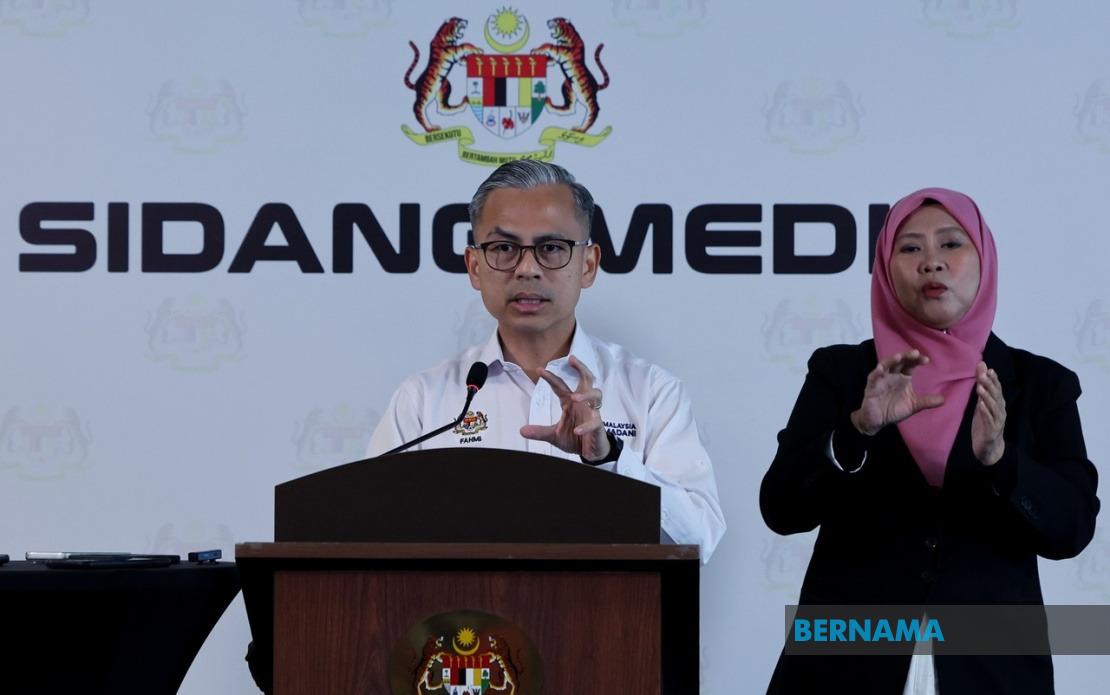
The government has scheduled a special sitting of the Dewan Rakyat for August 11 to examine findings from a Royal Commission of Inquiry investigation into Tabung Haji, with Communications Minister Datuk Seri Fahmi Fadzil confirming that between 35 and 40 lawmakers have already committed to participating in the debate. The session represents a significant moment for parliamentary oversight, as it will provide legislators with a formal forum to interrogate the commission's damning assessment of the pilgrimage fund's management and investment strategy over a six-year period.
The special sitting will convene at 10 am and continue into the afternoon without scheduled breaks, according to an arrangement approved by Dewan Rakyat Speaker Tan Sri Johari Abdul. This decision to maintain continuous proceedings underscores the government's commitment to allowing thorough discussion of what the RCI report has characterised as serious governance failures and financial mismanagement at the institution. The extended format will enable multiple parliamentarians to air concerns and seek clarification on the commission's findings from relevant government representatives and ministry officials.
Public access to the proceedings has been prioritised, with the government ensuring that Malaysians can observe the debate in real time through official media channels that broadcast Dewan Rakyat sessions. This transparency measure reflects the MADANI administration's stated commitment to accountability and reflects growing public interest in understanding how the pilgrimage fund—which manages savings for millions of Malaysian Muslims planning to perform the Hajj—deteriorated to its current precarious state.
The RCI report, released publicly on July 29 through the Department of Islamic Development Malaysia's official portal, presents a comprehensive indictment of decision-making at Tabung Haji between 2014 and 2020. The investigation identified numerous problematic investment choices that directly contributed to the severe erosion of the institution's asset base. These findings are particularly significant given Tabung Haji's role as a critical savings vehicle for ordinary Malaysians, making the mismanagement of funds a matter affecting millions of families across the country.
Beyond recommending a forensic audit of past investment decisions, the RCI report uncovered evidence of suspicious financial transactions and deliberate concealment of information. These discoveries point to deeper governance lapses that extend beyond simple poor judgment or strategic miscalculation. The investigation suggests that certain decisions may have involved attempts to obscure information or engage in questionable dealings, raising questions about institutional oversight and accountability mechanisms that were supposedly in place at the fund.
The calibre of parliamentary interest signals that lawmakers across the political spectrum recognise the gravity of the situation and the need for rigorous scrutiny. With 35 to 40 members indicating readiness to contribute to debate, the August 11 session appears likely to generate substantive discussion rather than perfunctory remarks. This level of engagement suggests Parliament is taking seriously its responsibility to examine what went wrong and to demand answers from the executive branch.
For Malaysian citizens, particularly the several million Tabung Haji contributors whose savings have been affected by these investment failures, the parliamentary debate carries immediate relevance. Many Malaysians have deposited substantial amounts into the fund over years or decades, viewing it as a secure savings mechanism for their religious pilgrimage aspirations. The revelation that these savings were exposed to poor investment decisions and potentially suspicious transactions naturally generates concern about fund governance going forward and about prospects for recovery.
The parliamentary session also carries implications for broader governance standards within Malaysian government-linked institutions. Tabung Haji's experience highlights vulnerabilities that may exist elsewhere in the institutional ecosystem, where oversight mechanisms may be insufficient to prevent significant financial deterioration. The debate will likely prompt discussion of systemic reforms needed to strengthen governance across similar institutions and to establish more robust safeguards against mismanagement.
International dimensions warrant consideration as well, given Malaysia's reputation as a hub for Islamic finance. Tabung Haji's troubles may generate scrutiny from observers internationally who look to Malaysian institutions as exemplars of Islamic financial principles. Demonstrating that serious governance failures can be investigated transparently and debated publicly in Parliament may help reassure stakeholders about Malaysia's commitment to institutional integrity and accountability in the Islamic finance sector.
The convergence of a high-profile RCI report, substantial parliamentary engagement, and public transparency mechanisms represents a test case for how Malaysia's democratic institutions respond to major governance crises. The August 11 session will reveal whether Parliament can move beyond procedural discussion to demand substantive accountability from executive agencies. The scale and intensity of the parliamentary response may establish precedent for how similar institutional failures are addressed in future.

