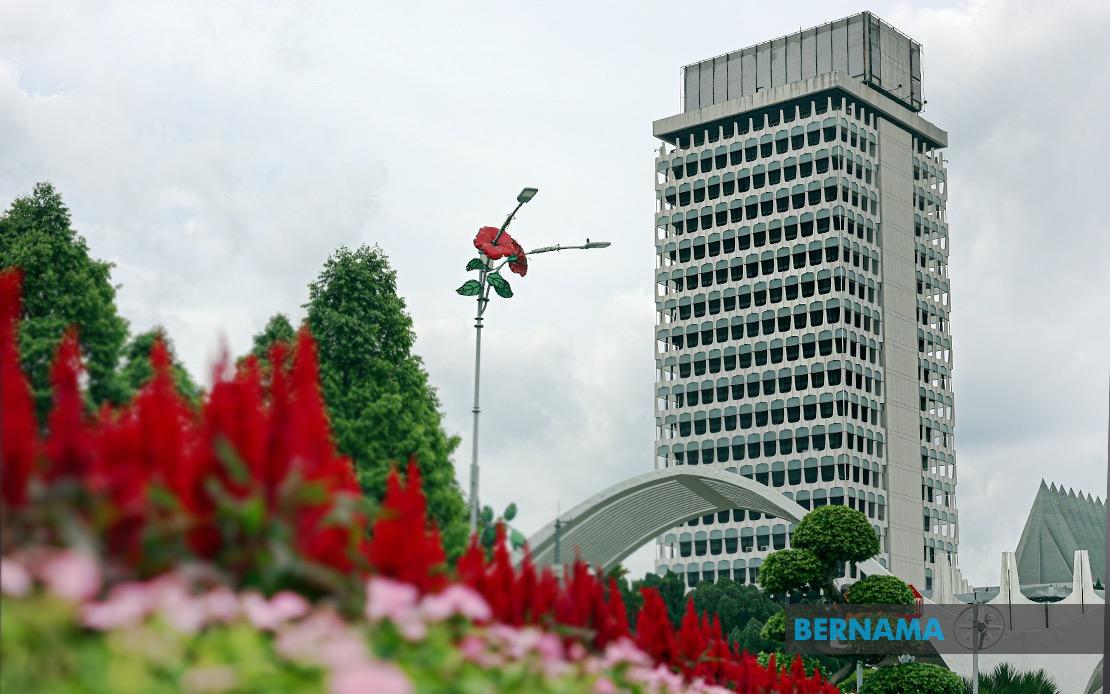
Parliament reconvenes on Monday for its second meeting of the fifth parliamentary session, bringing with it a legislative agenda centred on constitutional reforms and road safety enhancements that carry significant implications for Malaysia's governance framework and public safety standards. The sitting, extending through July 16, will see two previously unsuccessful constitutional amendment bills returned for another attempt at securing the required supermajority support in the Dewan Rakyat.
At the heart of parliamentary business stands the Constitution (Amendment) Bill 2026, which proposes to impose a decade-long limit on prime ministerial tenure. This measure represents a continuing effort to entrench term limits at the nation's highest executive level, though its previous submission fell short of the two-thirds majority threshold necessary for constitutional reform. The reintroduction signals legislative determination to advance institutional checks and governance safeguards, though questions remain about whether the coalition government can muster sufficient cross-party support for passage. Such constitutional adjustments fundamentally reshape executive authority and succession pathways, matters that typically transcend routine parliamentary business in their significance for institutional stability.
Equally significant is the Constitution (Amendment) Bill (No. 2) 2026, designed to unbundle the combined roles of Attorney General and Public Prosecutor into separate positions. This separation responds to longstanding advocacy from judicial independence observers and governance experts who contend that consolidated prosecutorial and legal advisory power within a single office creates potential conflicts of interest and accountability challenges. Following its unsuccessful initial tabling, the bill underwent referral to the Parliamentary Special Select Committee for deeper examination, suggesting serious engagement with technical and constitutional complexities surrounding institutional restructuring. The committee's work during the recess period may inform whether amended proposals emerge with greater technical refinement and broader political viability.
Beyond constitutional matters, the Cybercrime Bill 2026 will occupy parliamentary attention, reflecting growing recognition across the region that digital security legislation requires regular updating as criminal methodologies and technological capabilities advance. Malaysia's digital economy and increasingly interconnected financial infrastructure amplify the stakes of cybercriminal activity, making legislative responsiveness to emerging threats a matter of economic and national security interest.
Transport Minister Anthony Loke has positioned the Road Transport Act 1987 (Amendment) Bill as an urgent public safety initiative, with the proposed revisions spanning 11 thematic areas across 42 distinct clauses. The amendments target illegal street racing, a phenomenon that continues generating fatalities and injuries on Malaysian highways despite previous enforcement campaigns. Beyond racing-specific provisions, the bill introduces strengthened enforcement mechanisms intended to combat organised 'tonto' syndicate operations that persistently threaten road user safety through dangerous driving practices. Implementation of these amendments could substantially elevate enforcement capacity and legal deterrence, though effectiveness ultimately depends on consistent police and regulatory application across diverse jurisdictions.
The concurrent Johor State Election presents unique parliamentary management challenges. Speaker Tan Sri Johari Abdul has issued explicit reminders to members regarding their foundational parliamentary obligations, cautioning against allowing state-level political campaigns to dilute parliamentary participation or devalue chamber proceedings. His emphasis on factual, data-driven debate responsive to citizen concerns about cost of living, employment, healthcare, and education reflects an acknowledged tension within Malaysian politics: balancing electoral imperatives with legislative responsibilities. The speaker's framing implicitly critiques tendency toward polemical posturing divorced from substantive policy engagement, a phenomenon frequently evident during sessions concurrent with state or general elections.
Johari's broader statement on parliamentary standards carries particular weight given ongoing polarisation in Malaysian politics. His call for government and opposition members to prioritise national and public interest issues rather than partisan advantage articulates an idealistic vision of legislative conduct increasingly difficult to achieve amid fractious coalition dynamics. The speaker's authority rests fundamentally on voluntary member compliance with established norms and procedures, rendering his exhortations instruments of persuasion rather than enforceable mandates. Whether such appeals meaningfully redirect parliamentary culture remains an open question, particularly as electoral cycles intensify competitive political behaviour.
The underlying energy security dimension of this parliamentary session reflects Malaysia's acute sensitivity to geopolitical disruption of global energy markets. The ongoing West Asian conflict has created recognised supply chain vulnerabilities affecting international crude and liquefied natural gas availability, with implications for Malaysia's own energy security and fuel price stability. Parliamentary discussion of these dynamics serves both informational and legitimacy functions, allowing members to address constituent concerns about potential economic consequences while demonstrating government responsiveness to external shocks. For a nation substantially dependent on energy imports and with significant downstream petroleum sectors, such parliamentary attention to global energy geopolitics carries genuine policy relevance.
The 16-day sitting duration itself merits consideration within Malaysia's parliamentary calendar. Extended sessions require sustained member engagement and logistical coordination, yet many observers contend that Malaysian Parliament remains underutilised relative to legislative demands. The compression of business into sporadic, intensive sitting periods contrasts with Commonwealth parliaments maintaining near-continuous operations. This structural reality means individual parliamentary sessions carry disproportionate significance for advancing the legislative agenda, placing pressure on chamber management and raising questions about whether timeframes adequately accommodate thorough debate on complex measures.
Following conclusion of the Dewan Rakyat session, the Dewan Negara will commence its own 10-day sitting from July 20 through August 4, providing the upper house opportunity to review legislation passed during the lower house session and deliberate on measures within its regulatory purview. The bicameral structure theoretically enables second-chamber review of lower house legislation, though Malaysian practice frequently sees the Dewan Negara operate with less public visibility and legislative impact than its constitutional role might suggest. The sequential timing of the two chambers' sittings reflects procedural convention but also constrains capacity for simultaneous upper and lower house deliberation on contentious matters.
For Malaysian stakeholders tracking constitutional development, road safety policy, and cybercrime regulation, this parliamentary session represents a pivotal moment. The success or failure of retabled constitutional amendments will signal whether recent reform initiatives have achieved sufficient political consensus, while transport amendments may reshape road safety enforcement for years ahead. The concurrent state election and speaker's admonitions regarding parliamentary decorum suggest underlying concerns about chamber function and member focus, hinting at institutional tensions beneath the surface of routine parliamentary business.

