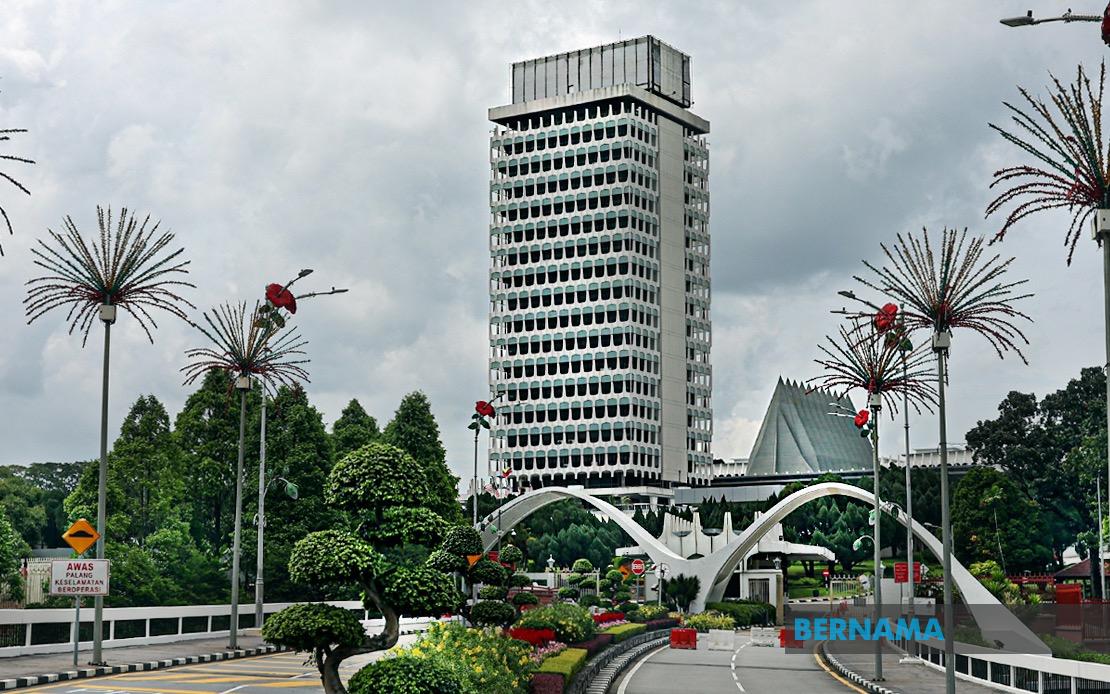
Malaysia's Dewan Rakyat moved at a measured pace during the opening week of parliamentary sittings in June, with legislators approving only the Road Transport (Amendment) Bill 2026 as substantive lawmaking. The legislation, introduced by Transport Minister Anthony Loke, represents a targeted response to a longstanding enforcement challenge: authorities previously struggled to intervene against illegal racing activities until accidents, injuries, or fatalities occurred. The new Section 42A reverses that burden, enabling authorities to act proactively against street racing without needing to establish that danger or actual harm had resulted. For Malaysian road users, this shifts the legal landscape considerably, allowing police and regulatory agencies to disrupt dangerous racing activities earlier in their progression.
Loke signalled that his ministry plans further amendments to the Road Transport Act later in 2026, specifically to establish compensation mechanisms for victims of alcohol- or drug-impaired driving incidents. This second phase of reform would layer new victim-centred protections atop existing criminal penalties of fines and imprisonment, acknowledging that injured persons and bereaved families often bear costs uncompensated by the justice system. Such a framework aligns with broader trends across the region toward victim restitution and reflects evolving attitudes toward the social costs of impaired driving.
Meanwhile, parliamentary momentum stumbled when the Prison (Amendment) Bill 2026 was postponed and referred back to the Parliamentary Select Committee for deeper examination. That legislation had aimed to authorise electronic monitoring systems for prisoners and establish formal volunteer participation in rehabilitation programmes—measures that touch upon sensitive questions of surveillance, prisoner rights, and the prison system's capacity for reform. The referral suggests parliamentarians wanted additional scrutiny before advancing reforms that reshape how Malaysia manages incarcerated populations and resocialises offenders.
Legislators tabled four additional bills for first reading without advancing them further: amendments to the Sexual Offences Against Children Act, two Competition law revisions, and the Cybercrime Act 2026, which would repeal the decades-old Computer Crimes Act 1997. The cybercrime legislation carries particular weight for Southeast Asia's digital-first economy, as it seeks to modernise how Malaysia addresses online criminal conduct in an era of ransomware, data theft, and platform-based exploitation. That such consequential reforms remained in early-stage reading underscores the parliamentary agenda's crowded nature and the time constraints legislators face.
Parliamentary leadership also formalised several administrative adjustments during the week. Dewan Rakyat Speaker Tan Sri Johari Abdul confirmed that Larut MP Datuk Seri Hamzah Zainudin had been reinstated as opposition leader effective June 18, restoring formal opposition representation after a period of transition. Simultaneously, the Speaker acknowledged casual vacancies in the Pandan and Setiawangsa constituencies following the May 18 resignations of Datuk Seri Rafizi Ramli and Nik Nazmi Nik Ahmad. The Election Commission received formal notice as constitutionally mandated, triggering procedures toward eventual by-elections or constituency redistribution.
Minister's Question Time, ordinarily a platform for opposition scrutiny of the Prime Minister, saw Datuk Seri Anwar Ibrahim's participation constrained by external commitments. Relevant portfolio ministers fielded questions instead—a practical accommodation that, while preserving the parliamentary question mechanism, slightly diminished the direct accountability channel opposition lawmakers typically exploit to challenge executive leadership on pressing policy matters. Parliamentary Select Committees also occupied greater floor time, reflecting deliberate efforts within Parliament to elevate these specialist bodies' profiles and reinforce their investigative and deliberative functions.
Debate across the week coalesced around labour market turbulence and economic resilience. Human Resources Minister Datuk Seri R. Ramanan reported that 42,807 workers faced retrenchment between January and mid-June, with company closures and workforce reductions cited as primary drivers. Yet Economy Minister Akmal Nasrullah Mohd Nasir struck an offsetting note, emphasising that June job losses fell 20 per cent from May and that labour force participation remained steady at 70.9 per cent. This mixed messaging—acknowledging real disruption whilst projecting overall stability—reflects the tension facing Malaysia's job market amid global economic uncertainty and sectoral shifts away from traditional manufacturing.
Security concerns animated parliamentary discussion as well. Home Minister Datuk Seri Saifuddin Nasution Ismail announced government approval of RM22 million in equipment funding for the Malaysia Border Control and Protection Agency, enabling deployment of firearms and other operational gear along the nation's maritime and terrestrial perimeters. Such investment responds to persistent cross-border trafficking, irregular migration, and transnational organised crime that destabilise not merely Malaysia but regional stability across Southeast Asia.
Energy and digital safety also surfaced prominently. The Ministry of Plantation and Commodities signalled caution toward B50 biodiesel rollout, citing the prohibitive costs of upgrading existing blending infrastructure amid persistent global supply chain disruptions. Simultaneously, Communications Minister Datuk Fahmi Fadzil highlighted implementation of the Child Protection Code and Risk Mitigation Code, effective June 1, which mandate age-verification systems on social media platforms and impose penalties up to RM10 million on non-compliant operators under the Online Safety Act 2025. These measures reflect heightened alarm across Malaysian policymaking circles regarding children's exposure to harmful online content and predatory conduct, placing regulatory pressure on global platforms to operationalise protective mechanisms within Malaysia's market.
The parliamentary sitting continues through July 16, spanning 16 days of scheduled business. The relatively modest legislative output of the opening week—one passed bill against multiple delayed or early-stage measures—illustrates the deliberate pace at which Malaysia's Parliament advances substantial reform. Whether this reflects appropriate thoroughness or parliamentary gridlock remains contested, but the trajectory of bills now queued suggests that cybercrime modernisation, prisoner rehabilitation frameworks, and child protection measures will dominate subsequent weeks as committees complete review and floor debate intensifies.

