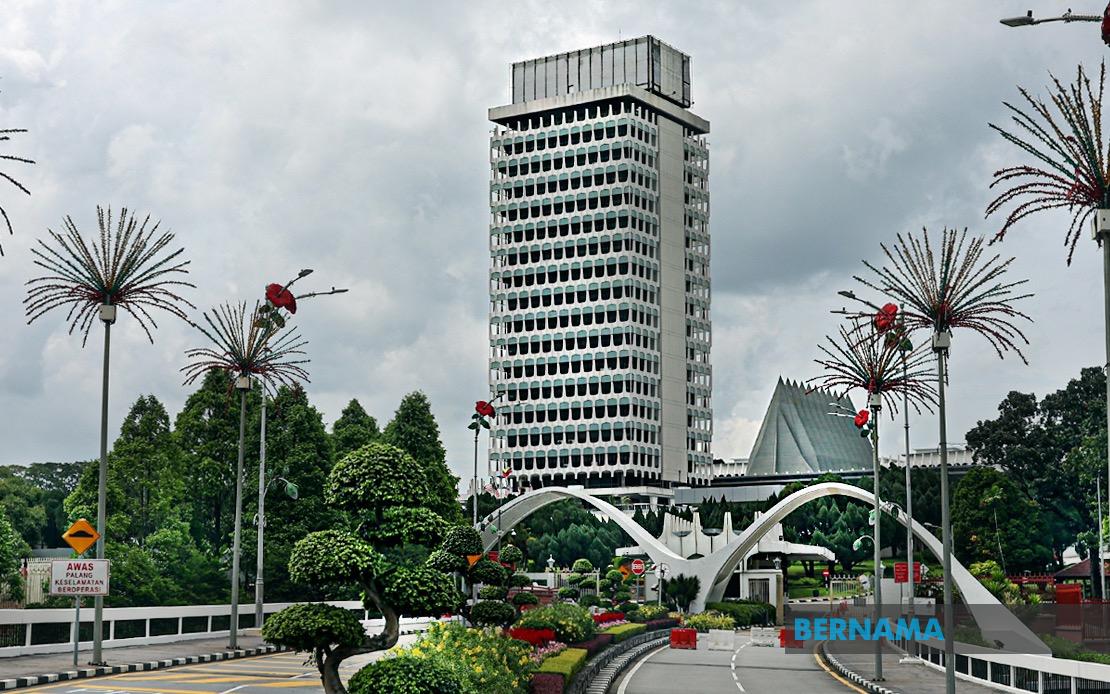
The 15th Parliament opened its Fifth Session on June 22 with legislators set to interrogate the government's assessment of how Middle Eastern maritime tensions are rippling through Malaysia's economy. The parliamentary agenda reflects growing concern among lawmakers about the vulnerability of critical trade corridors and their capacity to destabilise local industries and consumer prices. The Dewan Rakyat will sit for 16 consecutive days through July 16, during which members will probe multiple dimensions of economic management and emerging policy challenges.
Datuk Dr Richard Rapu @ Aman anak Begri from GPS-Betong directed his questions toward the Economy Minister, seeking a comprehensive evaluation of how disruptions in the Strait of Hormuz—one of the world's most strategically vital waterways through which roughly one-fifth of global petroleum passes—are affecting Malaysian manufacturers and service providers. His inquiry zeroed in on operational costs for local enterprises, a critical metric given that supply chain delays and insurance premiums typically rise sharply when shipping lanes face insecurity. The Strait of Hormuz represents a chokepoint of exceptional importance to resource-dependent economies like Malaysia, where energy security and import reliability are foundational to industrial competitiveness. Beyond sectoral impacts, Dr Rapu also requested the government's latest inflation readings for the second quarter of 2026, signalling parliamentary concern about whether price pressures from imported goods and elevated logistics costs are translating into broader cost-of-living pressures for Malaysian households.
The questioning extended to macroeconomic safeguards, with Dr Rapu probing contingency arrangements embedded within the 13th Malaysia Plan. His emphasis on sustaining Gross Domestic Product growth targets amid potential global economic recession indicates that lawmakers view the Hormuz disruptions not in isolation but as a symptom of broader geopolitical fragmentation threatening worldwide demand. This framing suggests parliament's awareness that external economic shocks—whether shipping disruptions or recessionary cycles in major trading partners—require deliberate policy buffers beyond reactive measures. The government's willingness to articulate such contingencies publicly could influence investor confidence and market sentiment regarding Malaysia's macroeconomic stability.
Another significant concern surfacing in parliamentary debate involves the haj pilgrimage system, with Onn Abu Bakar from PH-Batu Pahat directing questions to the Prime Minister about structural reforms for 2027. The focus on costs, waiting periods, and pilgrim welfare reflects ongoing frustration among Muslim constituencies regarding access to this fundamental religious obligation. Malaysia's haj programme has faced documented challenges around affordability and queue management, with hundreds of thousands of citizens on waiting lists. Improvements to the system carry both religious and political significance, as successful haj administration represents government responsiveness to a core religious demographic. The emphasis on health protection measures suggests lessons learned from previous campaigns and international best practices in managing large-scale pilgrim movements.
Digital governance emerged as a parallel concern through Wong Shu Qi's inquiry to the Digital Minister regarding the forthcoming Artificial Intelligence Governance Bill. Her specific reference to deepfake child sexual exploitation material, identity spoofing, and non-consensual explicit content distribution identifies harm vectors that Malaysian policymakers recognize as urgent. These technologies have already been weaponized in various jurisdictions to cause reputational damage, facilitate fraud, and enable child exploitation—threats that grow exponentially as AI tools become more accessible and sophisticated. The parliamentary focus on legislative safeguards suggests Malaysia intends to position itself as a responsible AI adopter while establishing guardrails against algorithmic abuse. This legislative effort will be closely watched by regional peers grappling with similar governance questions.
Food security emerged as another cross-cutting concern, with Datuk Dr Radzi Jidin from PN-Putrajaya questioning the Agriculture and Food Security Minister about interventions addressing the ripple effects of Middle East conflict on Malaysia's food supply. The region supplies Malaysia with various agricultural commodities, construction inputs, and energy resources, making it a non-trivial component of the national supply ecosystem. Questions about short-, medium-, and long-term measures suggest parliament's recognition that food security requires layered planning horizons—immediate stabilisation efforts, intermediate import diversification, and structural resilience-building. The government's response will clarify whether existing agricultural policies adequately buffer Malaysia against external supply shocks or whether new institutional mechanisms are needed.
The parliamentary session will also see the tabling of the Cybercrime Bill 2026, representing an updated legislative framework for digital-era criminal offences. This bill complements the AI governance discussions by establishing enforcement mechanisms for crimes facilitated through technological means. The timing reflects Malaysia's broader digital transformation agenda, where legislative modernisation must keep pace with technological capability. The Road Transport Act (Amendment) Bill 1987 represents another housekeeping item, likely addressing regulatory gaps in Malaysia's terrestrial logistics sector—an area directly affected by supply chain resilience questions surfacing throughout the parliamentary agenda.
Collectively, the session's focus areas reveal parliament's diagnosis of contemporary economic vulnerabilities: Malaysia's reliance on vulnerable maritime passages, its susceptibility to global demand shocks, gaps in social service delivery systems like haj administration, and emerging technological harms that existing law struggles to address. These concerns are interconnected through broader themes of economic resilience and institutional adaptation. The government's responses during the 16-day sitting will signal whether it views these challenges as manageable through incremental policy adjustment or whether more fundamental strategic reorientation is required. For Malaysian businesses and investors, the parliamentary outcomes may shape expectations about commodity price volatility, regulatory environments for digital services, and the sustainability of economic growth targets under geopolitical strain.

