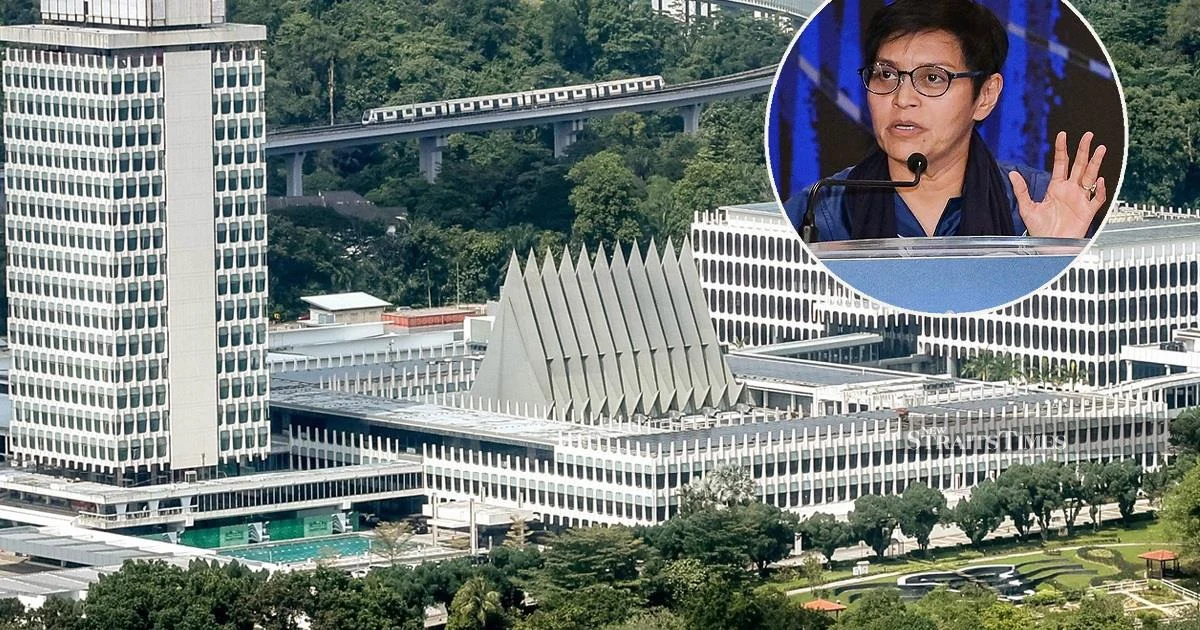
Parliamentary oversight of Malaysia's public prosecutor appointments is poised for a fundamental overhaul, with lawmakers gaining expanded powers to assess nominations and publicly deliberate on judicial candidates. The envisioned changes represent a departure from longstanding appointment procedures and reflect broader efforts to strengthen institutional checks and balances within the country's judicial system.
Under the proposed framework, Parliament will receive lists of public prosecutor candidates from the Judicial and Legal Service Commission, known locally as SPKP. Rather than serving as a passive recipient of these nominations, the legislative body will be empowered to conduct substantive evaluations, raise concerns and offer formal recommendations regarding the suitability of contenders for these high-ranking legal positions. This represents a meaningful expansion of parliamentary involvement in judicial governance matters that have traditionally been handled within more insular circles of the legal establishment.
The reforms contemplate that Parliament might not merely receive candidate lists and quietly process them behind closed doors. Instead, lawmakers could initiate formal debates on the merits and qualifications of nominees, subjecting these appointments to public scrutiny and recorded voting procedures. Such transparency mechanisms would fundamentally alter how senior legal appointments are conducted in Malaysia, exposing the selection process to broader democratic accountability rather than confining decisions to unelected commissions operating with limited external review.
This shift carries substantial implications for Malaysia's separation of powers doctrine and the evolution of democratic governance. Historically, appointments of senior judicial and prosecutorial officials have been insulated from direct parliamentary involvement, with commissions wielding substantial gatekeeping authority. The proposed changes acknowledge that in a functioning democracy, major institutional positions—particularly those affecting law enforcement and justice administration—warrant some degree of legislative and public awareness of how candidates are selected and evaluated.
For regional observers, Malaysia's judicial reform trajectory offers instructive lessons about balancing institutional independence with democratic accountability. Many Southeast Asian democracies grapple with similar tensions, seeking mechanisms that protect judicial autonomy from politicisation while simultaneously preventing unaccountable decision-making by unelected commissions. Malaysia's approach of introducing parliamentary review without fully politicising appointments represents one possible model for navigating this difficult terrain.
The specific mechanics of how Parliament will exercise these powers remain subject to ongoing legislative refinement. Questions persist regarding the weight Parliament's recommendations will carry, whether unfavourable votes would preclude a candidate's appointment, and what procedural safeguards would prevent the process from devolving into partisan conflict. These technical details will substantially determine whether reforms enhance accountability or instead create new vulnerabilities to political interference in judicial selection.
Civil society organisations and legal observers in Malaysia have long advocated for greater transparency in judicial appointments. The proposed reforms appear responsive to these longstanding calls for opening secretive processes to broader scrutiny. However, the success of such reforms in improving judicial quality and public confidence depends heavily on implementation details and whether Parliament approaches its new responsibilities with appropriate seriousness rather than treating them as routine legislative business.
For prosecutors themselves, these changes introduce additional uncertainty into the appointment process. Previously, candidates navigated evaluation primarily within institutional channels where criteria and preferences might remain relatively stable. Public parliamentary scrutiny could introduce new unpredictability as nominees must now satisfy not only traditional commission standards but also political actors whose assessments might reflect ideological considerations or electoral calculus. This could either deter strong candidates from seeking positions or incentivise them to build broader political coalitions.
The timing of these judicial reforms comes amid broader global conversations about prosecutorial independence and democratic oversight. Some nations have experimented with popular election of prosecutors, whilst others have introduced legislative confirmation processes similar to Malaysia's proposed model. The outcomes of these various approaches offer valuable data about whether increased democratic involvement in prosecutorial appointments actually enhances public interest outcomes or instead compromises institutional effectiveness through inappropriate politicisation.
Malaysia's experience with these reforms will likely influence other Southeast Asian jurisdictions considering similar changes. The region's democracies frequently look to Malaysia as a bellwether for constitutional and institutional innovation, making the success or difficulties of parliamentary prosecutor oversight relevant to neighbours weighing their own judicial governance structures. Should these reforms enhance public confidence and prosecutorial quality, comparable mechanisms might find adoption elsewhere in the region.
Implementing these changes effectively will require Parliament to develop new institutional capacity for rigorously evaluating prosecutorial candidates and resisting partisan impulses. Establishing bipartisan screening mechanisms, developing transparent evaluation criteria, and insulating the process from factional conflicts will prove essential if these reforms are to achieve their stated objectives of strengthening accountability without destabilising prosecutorial independence or creating opportunities for improper political interference in criminal justice administration.

