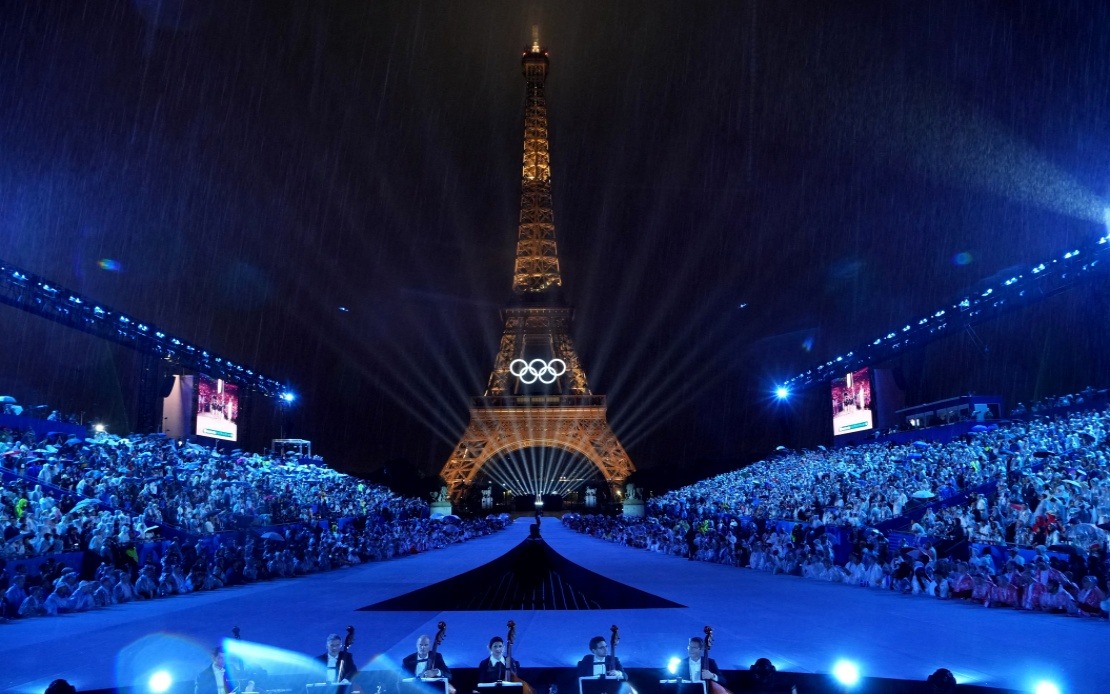
Paris's most iconic attractions have taken the unprecedented step of closing their doors ahead of schedule as France grapples with a dangerous heatwave that is expected to persist through the coming days. The Eiffel Tower, one of the world's most visited monuments, shut down at 4.00 pm on Tuesday rather than its standard closing time, marking an exceptional measure taken by its operators to protect both visitors and staff from the escalating heat.
The decision came as temperatures in the French capital climbed to 36 degrees Celsius by mid-afternoon on Tuesday, with forecasts suggesting conditions would worsen significantly on Wednesday when highs could reach 38 degrees Celsius. The management company operating the Eiffel Tower, known as Sete (Societe d'Exploitation de la tour Eiffel), justified the closure by emphasising that the safety of everyone at the monument was paramount during such extreme conditions. The last entry to the tower was permitted at 12.15 pm local time, ensuring that visitors and staff would not be exposed to peak afternoon heat while navigating the structure or its crowded platforms.
Guests who had booked time slots from 11.30 am onwards for stair access, and from 12.00 pm for lift access, will automatically receive refunds for their tickets. This blanket compensation approach reflects the scale of disruption caused by the heatwave, affecting thousands of tourists who had planned visits to one of Europe's most popular destinations. The move underscores how climate-related extremes are now forcing major cultural institutions to adapt their operations in real time.
The Louvre Museum, another cornerstone of Paris's cultural landscape, similarly announced adjustments to its schedule. Rather than remaining open until 6.00 pm as usual, the world's most visited art museum will close at 4.00 pm from June 24 through June 27. This extended early closure reflects the expectation that dangerous heat will persist across multiple days, requiring sustained precautions rather than a one-off response. The synchronised closures of Paris's two most prominent attractions signal the gravity of the meteorological situation facing the French capital.
France's national weather service, Meteo-France, has characterised the heatwave as intense and persistent, with no significant relief anticipated until at least Thursday. The geographic scale of the crisis is equally striking: 54 departments across mainland France were placed on red alert, the nation's highest heatwave warning level, as of Tuesday. This threshold indicates conditions so extreme that they pose risks to public health, infrastructure, and essential services. An additional 35 departments were assigned orange alert status, meaning they too face dangerously elevated temperatures requiring heightened vigilance.
For Malaysian and Southeast Asian readers, such closures of major attractions might seem unusual. While the region regularly experiences heat and humidity that can exceed 35 degrees Celsius, the critical distinction lies in what populations are accustomed to and how infrastructure is designed. Europeans typically have lower heat tolerance and less climate conditioning in public spaces, making sudden extreme temperatures more dangerous. In Malaysia, such temperatures are routine and institutions operate normally, yet heatwaves in Europe can still pose genuine risks because the baseline conditions, building design, and public expectations are fundamentally different.
The broader context of these closures relates to how climate change is reshaping daily life in wealthy nations. Europe has experienced several severe heatwaves in recent years, each one testing the resilience of cities designed and operated under cooler historical norms. Paris, in particular, has struggled with heat-related mortality and infrastructure failures during previous extreme weather events. Early closure of major attractions, while economically costly, represents a pragmatic acknowledgment that public safety must override operational continuity when conditions become genuinely dangerous.
For the tourism industry, such disruptions create cascading challenges. Visitors who travelled specifically to climb the Eiffel Tower or explore the Louvre during their Paris visit must either reschedule or depart disappointed. Hotels, restaurants, and transport services in the vicinity experience ripple effects. Tour operators face cancellations and reputational pressures. Yet these economic costs pale against the potential consequences of keeping crowded indoor spaces and outdoor monuments open when temperatures approach or exceed dangerous thresholds that can trigger heat exhaustion and heat stroke, particularly among elderly visitors and children.
The institutional response also highlights the interplay between private operators and public health mandates. Sete, which manages the Eiffel Tower on a commercial concession basis, clearly determined that the reputational and legal risks of maintaining normal operations during extreme heat exceeded the revenue benefits. Similarly, the Louvre's decision reflects institutional recognition that visitor safety and staff welfare are non-negotiable priorities. These are not government-mandated closures but voluntary decisions by private entities, suggesting that the heat has reached levels where even profit-oriented organisations deem suspension of services appropriate.
Meteo-France's forecast of temperatures stabilising only after Thursday implies that early closures will likely affect multiple days of tourism operations. Visitors with bookings throughout the week face uncertainty about whether their planned visits can proceed. Airlines and transport operators across northern France may also face operational challenges, from increased demand for air-conditioned trains to concerns about runway temperatures affecting aircraft operations. The heatwave thus transcends the symbolic spectacle of Paris landmarks closing early—it represents a systemic stress test for infrastructure and services across the nation.
The situation underscores a reality that increasingly shapes global tourism and urban life: extreme weather events are no longer exceptional aberrations but recurring phenomena that demand institutional flexibility. Cities and attractions worldwide must develop protocols for heat extremes just as thoroughly as they plan for seasonal variations. For travellers planning trips to Europe, particularly during summer months, the potential for climate-disrupted itineraries should now factor into trip planning decisions. The Eiffel Tower's early closure, while dramatic, signals that even the world's most iconic destinations operate within environmental constraints that can suddenly reassert themselves.

