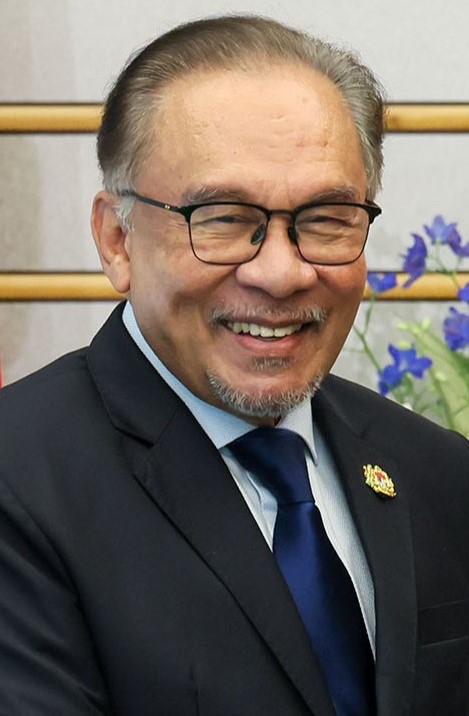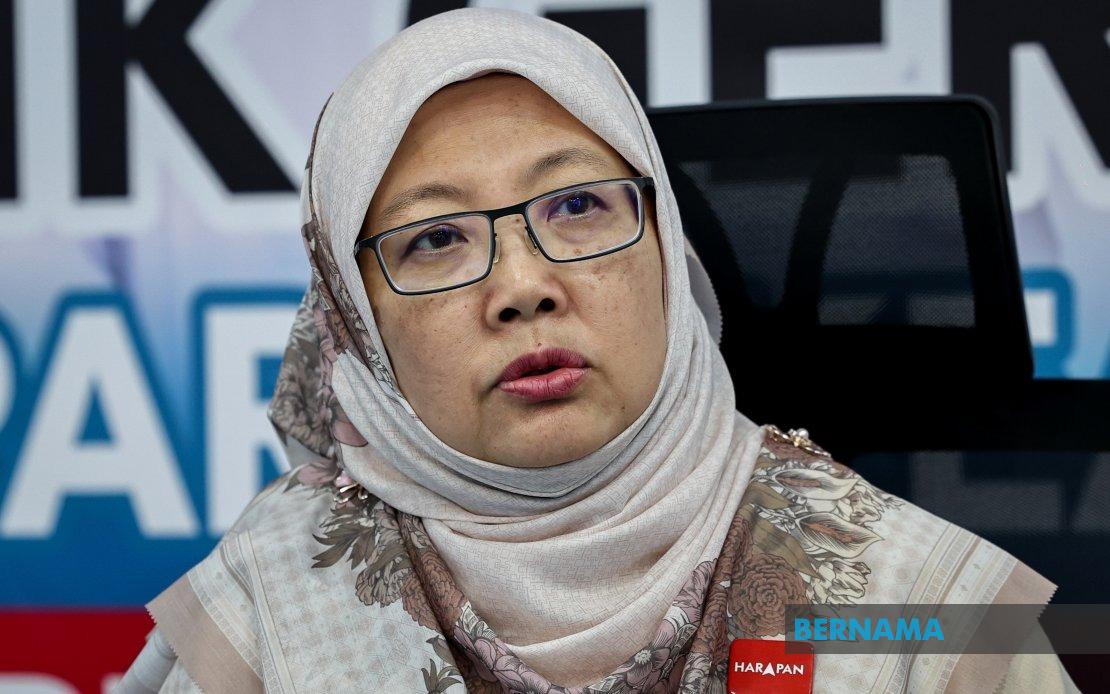
Pakatan Harapan is poised to reveal its complete roster of candidates for the forthcoming Johor state election this coming Monday, according to Johor PKR chairman Datuk Seri Dr Zaliha Mustafa. The formal announcement ceremony will draw prominent figures from the coalition, including PH chairman Datuk Seri Anwar Ibrahim, underscoring the significance of the candidacy unveiling for the larger political coalition.
The venue chosen for the unveiling carries strategic significance. Dr Zaliha, who doubles as PKR vice president, indicated that the announcement will likely take place in Bukit Gambir, Tangkak, in the northern reaches of Johor. This geographical choice reflects a deliberate campaign strategy rather than mere administrative convenience. The decision to stage the event in the northern zone emerged from observed momentum in that region, with several recent PH mobilisation programmes drawing increasingly enthusiastic local participation, particularly a gathering in Bukit Naning that generated notably encouraging feedback from attendees.
The candidate selection process itself underwent rigorous scrutiny at multiple tiers of the party hierarchy. Rather than centralised decision-making, PH solicited perspectives from grassroots branch structures to validate that nominated individuals possessed genuine comprehension of their communities' requirements and maintained solid service histories. This bottom-up consultative approach aims to ensure that nominated representatives enjoy grassroots legitimacy and can credibly advocate for local concerns within state governance structures.
Diversity emerged as a cornerstone principle guiding the candidate curation. Dr Zaliha emphasised that the final slate incorporates professionals, younger generation activists, female candidates, and representatives from various ethnic communities. This deliberate compositional balance addresses longstanding criticisms directed at Malaysian political parties regarding their representational composition. By spanning multiple demographic and professional categories, PH presents a coalition team reflecting the heterogeneous nature of contemporary Johor society.
Beyond demographic representation, selected candidates were evaluated for their capacity to advance the broader coalition's electoral and governance objectives. PH approaches this electoral contest with fundamentally ambitious intentions, as Dr Zaliha clarified. The coalition is not merely participating to accumulate marginal seat gains over previous electoral performance; rather, it has positioned itself with the explicit target of securing sufficient legislative seats to establish outright control of the state government. This distinction between incremental seat increases and governmental control reflects a qualitatively different strategic orientation from some previous state-level contests.
The seat distribution across the three-coalition partners reveals the negotiated divisions of responsibility. PKR will field candidates in twenty of the fifty-six State Legislative Assembly constituencies, while the Democratic Action Party will contest in seventeen seats. Amanah, the third coalition member, will present candidates in the remaining nineteen seats. These allocations reflect internal coalition bargaining regarding territorial strength and membership profile in various constituencies across the state.
The electoral timeline has been formally established through the Election Commission's official schedule. Nominations are scheduled for June 27, providing a two-week window between candidate announcement and formal submission of candidacies. Early voting has been designated for July 7, with the main polling day set for July 11. This compressed schedule—approximately three weeks from announcement to election—requires rapid campaign mobilisation across all nominated candidates and their respective support structures.
Johor's electoral significance within the Malaysian political landscape extends beyond state-level implications. The state remains demographically substantial and economically influential, serving as Malaysia's southern industrial and commercial hub with extensive cross-border integration with Singapore. Electoral outcomes in Johor have historically demonstrated portability to federal political dynamics, with state-level momentum frequently translating into broader national political shifts. A PH-led state government would strengthen the coalition's bargaining position within peninsular political configurations and potentially influence federal-level calculations.
For Southeast Asian regional observers, Johor elections hold particular relevance given the state's role as an economic bridge within the region. Strong governance and political stability in Johor carry implications for investment flows, cross-border trade corridors, and regional infrastructure development initiatives. The coalition's emphasis on governmental capacity and community-responsive administration suggests attention to institutional performance metrics that would resonate with business community assessments of political risk and administrative competence.
The compressed campaign period will test organisational capacity across all contesting parties. Candidates must rapidly establish public visibility, articulate policy platforms, and cultivate voter connection within an accelerated electoral calendar. For PH, coordinating messaging across three distinct parties while maintaining coalition coherence presents additional logistical complexity. Dr Zaliha's emphasis on candidates understanding local community needs suggests that individual-level campaign effectiveness may prove as consequential as broader coalition-level messaging frameworks.
The announcement ceremony itself functions as a narrative-setting moment for the entire campaign arc. By showcasing diverse candidate representation and emphasising grassroots selection processes, PH aims to position itself as a more inclusive, community-responsive alternative to incumbent governance. The presence of Anwar Ibrahim at the event signals coalition unity and party investment in the outcome. Success in articulating this narrative during the campaign phase will substantially influence whether PH translates organisational preparation and candidate diversity into actual electoral victories on July 11.