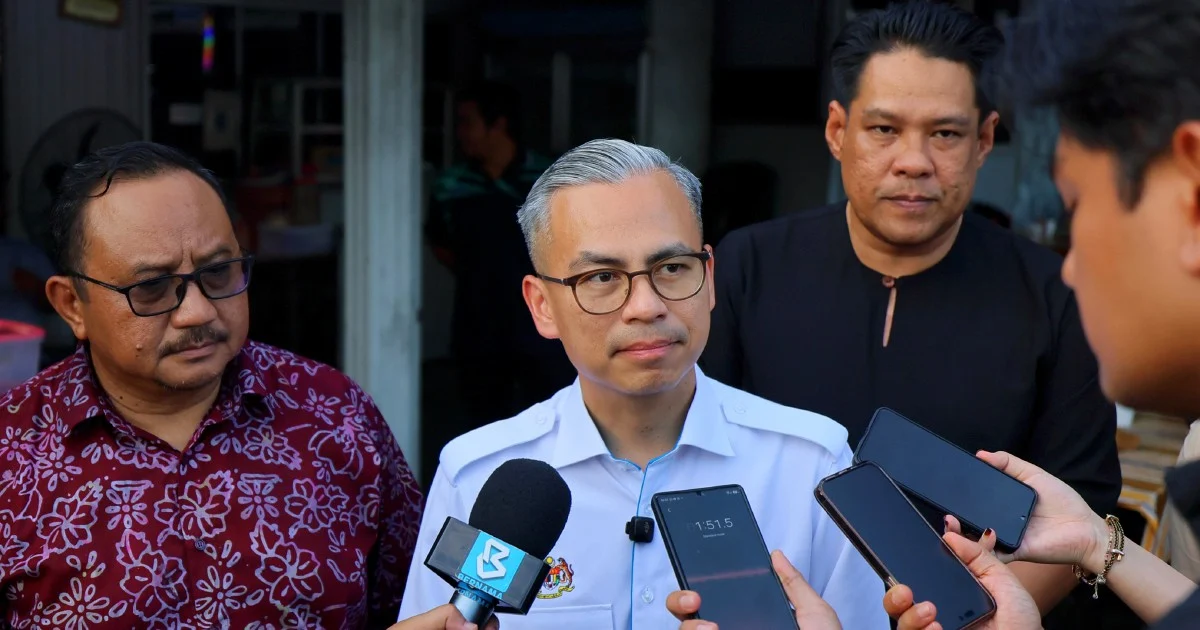
Pakatan Harapan is preparing for the upcoming Johor state election by implementing an integrated campaign framework that leverages both online platforms and traditional grassroots engagement. The decision to pursue this dual-track methodology reflects the coalition's recognition that modern electoral campaigns must bridge the digital divide while maintaining direct voter contact. According to statements made in Batu Pahat, the approach will enable the opposition coalition to reach diverse voter segments across the economically significant southern state.
The integration of digital and conventional campaigning strategies has become increasingly essential for Malaysian political parties seeking to maximise electoral impact. Online platforms offer unprecedented ability to target specific constituencies with tailored messaging, while ground-level operations build the interpersonal connections that remain fundamental to Malaysian political culture. Johor, with its substantial population and diverse demographic composition, presents both challenges and opportunities for opposition coalitions seeking to gain electoral traction against entrenched incumbent administrations.
Pakatan Harapan's strategic pivot reflects lessons learned from previous electoral cycles, where parties failed to adequately utilise digital channels or conversely neglected traditional community engagement mechanisms. The hybrid approach suggests the coalition recognises that effective campaigning requires simultaneous cultivation of online communities and offline stakeholder relationships. This methodology particularly matters in Johor, where political allegiances have historically demonstrated considerable resilience, making penetration difficult without comprehensive voter outreach initiatives.
Social media platforms have fundamentally altered electoral dynamics in Southeast Asia, enabling political movements to bypass traditional media gatekeeping while cultivating direct supporter networks. For opposition coalitions like Pakatan Harapan, digital channels provide cost-effective means of disseminating messaging, particularly among younger voters and urban professionals who increasingly consume political information through mobile devices and social networks. However, the effectiveness of online campaigns depends critically on complementary ground operations that translate digital engagement into actual electoral mobilisation.
Ground campaigning maintains significance because it enables personal connection between political representatives and constituents, fostering trust-based relationships that online interaction alone cannot replicate. Traditional voter engagement through community visits, local gatherings, and door-to-door contact establishes the human dimension essential for political persuasion in Malaysian society. The personal touch remains particularly important in building confidence among voters sceptical of political promises, and in consolidating support among demographic groups less inclined toward digital interaction.
The timing of Pakatan Harapan's campaign strategy announcement underscores the coalition's serious preparation for what many analysts expect will be a competitive electoral contest. Johor maintains significant political and economic importance within Malaysia's broader political landscape, serving as a bellwether for regional sentiment and governmental performance. Opposition coalition performance in the state could substantially influence broader perceptions of political momentum heading toward potential federal electoral cycles.
Johor's electoral landscape has exhibited considerable complexity in recent years, with shifting voter preferences and the rise of competing political narratives around governance, economic management, and development priorities. Pakatan Harapan's decision to invest in comprehensive campaign infrastructure suggests confidence in the coalition's ability to contest effectively across diverse constituencies. The approach acknowledges that victory requires sophisticated voter targeting combining demographic analysis with community-specific messaging adapted through both digital and traditional channels.
Implementing this dual-track strategy requires substantial coordination among party structures and campaign machinery, ensuring consistent messaging across online and offline platforms while allowing localised adaptation to specific constituency concerns. The coherence between digital content and ground-level narratives becomes critical, as voter perceptions are shaped by both social media exposure and direct campaign encounters. Pakatan Harapan's organisational capacity to maintain this coordination will partly determine campaign effectiveness throughout the election period.
The broader regional context also influences Pakatan Harapan's campaign approach, as neighbouring states and the federal government's policies create the political backdrop against which Johor voters will evaluate alternative options. Voter concerns regarding economic performance, development distribution, and governance standards provide substantive issues around which campaigns can organise messaging. Pakatan Harapan's hybrid campaign framework positions the coalition to address these concerns through multiple communication channels, potentially maximising exposure and persuasive impact across the electorate.
Digital analytics now enable sophisticated understanding of voter behaviour patterns, online sentiment, and emerging issues gaining traction within communities. Pakatan Harapan can utilise this information to refine ground campaign targeting and messaging strategy, creating feedback loops that improve campaign efficiency. However, reliance on data-driven approaches requires investment in technical expertise and continuous adaptation as campaign conditions evolve throughout the electoral period.
For Malaysian voters, the quality of opposition campaigns matters because robust competition between political alternatives strengthens accountability mechanisms and encourages substantive policy debate. Pakatan Harapan's commitment to comprehensive campaign coverage through integrated digital and ground strategies contributes to this competitive dynamic. The effectiveness of the coalition's approach in Johor could establish models influencing opposition campaigning throughout Malaysia heading toward future electoral contests.

