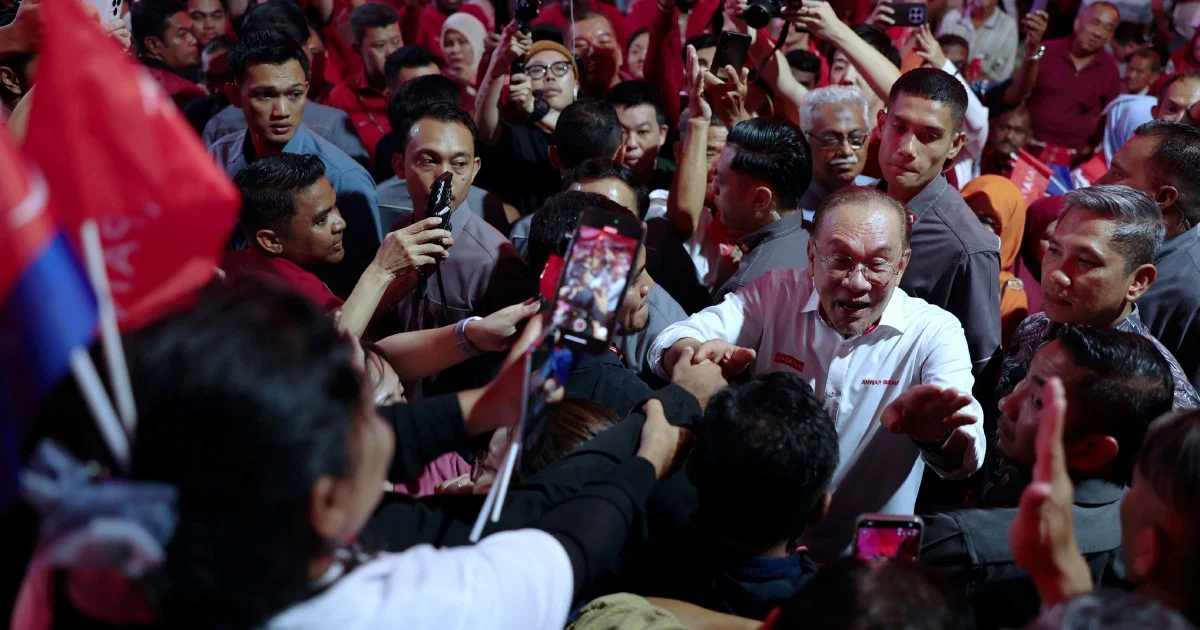
Pakatan Harapan's decision to field a comprehensive slate of 56 candidates for the Johor state election scheduled for July 11 represents a strategic assertion of the coalition's intent to govern Malaysia's second-most populous state. Coalition chairman Datuk Seri Anwar Ibrahim unveiled the complete candidate list during an event in Tangkak, cementing PH's commitment to contest virtually every available seat in the southern peninsula's economic powerhouse.
Johor has long served as a critical battleground in Malaysian politics, offering the largest portfolio of state assembly seats outside Selangor and wielding considerable influence over federal political dynamics. The state's 56 constituencies encompass diverse communities ranging from urban Kuala Lumpur-adjacent areas to rural agricultural regions and industrial manufacturing zones. Control of the statehouse carries implications extending far beyond Johor's borders, affecting broader coalition dynamics within Parliament and signalling regional strength heading into potential federal contests.
The timing of PH's candidate announcement carries strategic weight. By presenting a full roster early, the coalition demonstrates organisational readiness and projects confidence that it can mobilise competitive campaigns across the electoral landscape. This approach differs markedly from partial fielding strategies that suggest resource constraints or internal disagreements about contestable seats. The comprehensive slate indicates that PH has conducted thorough ground assessments and believes it possesses viable candidates capable of challenging incumbent representatives across varying electoral profiles.
Anwar Ibrahim's personal role in unveiling the candidates underscores the coalition's leadership's direct stake in the Johor contest. As Prime Minister and PH chairman, his involvement signals that the coalition views this election as consequential for broader political calculations. His presence in Tangkak, rather than delegating the announcement to lower-ranking figures, indicates the coalition's willingness to associate its top leadership with the electoral bid, thereby investing political capital in the outcome.
The composition of PH's candidate slate likely reflects negotiations among the coalition's constituent parties, including PKR, DAP, and Amanah. Each partner would have bargained for competitive seats reflecting their respective organisational strength and historical performance in different districts. These internal compromises often test coalition cohesion, making the successful presentation of a unified slate a notable achievement in itself. The final candidate list therefore represents consensus among sometimes-competing interests within PH's broader partnership structure.
Johor's political complexion has undergone significant shifts over recent years. While the state historically served as a stronghold for United Malays National Organisation-led coalitions, electoral volatility in recent cycles has demonstrated voter receptiveness to alternative political arrangements. PH's ability to construct competitive candidacies suggests the coalition believes it has identified sufficient constituent support to mount a credible challenge against current state administration. This assessment likely draws from local-level data gathering, previous electoral performance analysis, and engagement with community stakeholders across the state.
The July 11 election date affords parties approximately three months for campaign preparation, field operations, and voter engagement activities. For PH, this window requires mobilising candidates to build recognition among constituents, particularly in rural constituencies where name recognition may carry outsized electoral weight. The coalition must simultaneously coordinate messaging across its partner parties while ensuring individual candidates maintain campaign operations tailored to local concerns and demographics within their respective constituencies.
For Malaysian politics more broadly, the Johor election provides a significant mid-term assessment of PH's electoral standing following the coalition's 2022 federal election performance. The results will offer insights into whether the coalition has consolidated its voter base, expanded support among swing constituencies, or encountered erosion in previously supportive areas. Such findings carry implications for coalition strategy ahead of the next federal election cycle, potentially signalling shifts in voter sentiment or effectiveness of government policies implemented since PH's return to federal office.
The opposition coalition led by Barisan Nasional will undoubtedly mount a vigorous counter-campaign, leveraging incumbency advantages and state government machinery. The ensuing electoral contest will likely revolve around economic management, service delivery, development priorities, and competing visions for Johor's future. PH's field of candidates must articulate coherent alternatives to incumbent governance while addressing voter concerns about cost of living, employment opportunities, and infrastructure quality that resonate across urban and rural constituencies throughout the state.

