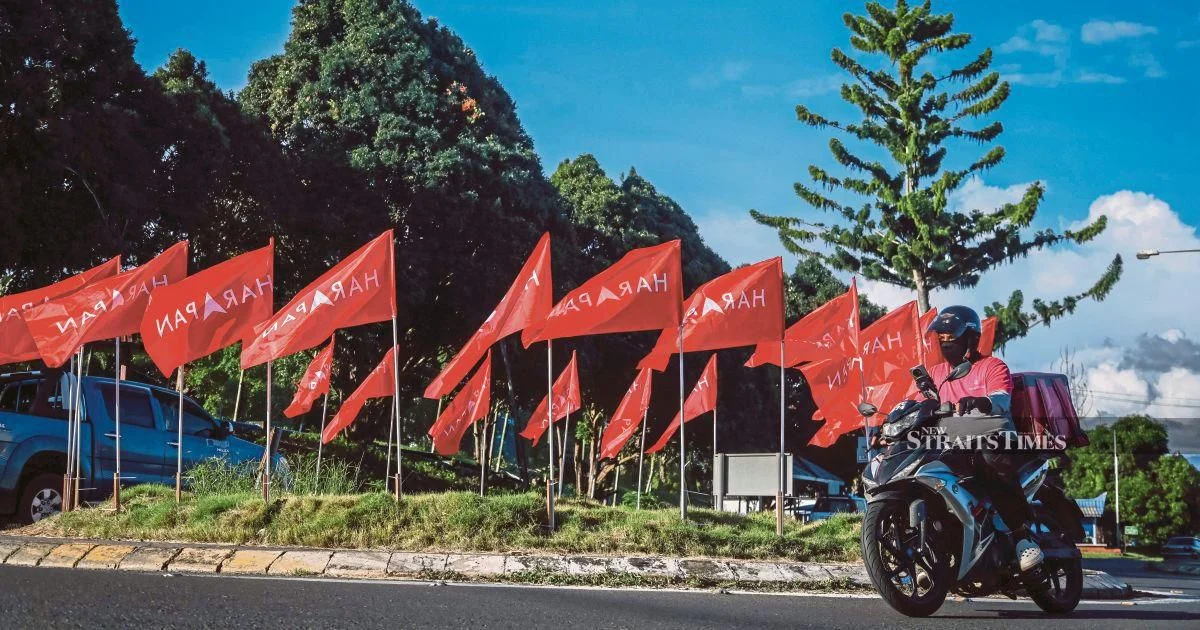
Pakatan Harapan leadership has made clear the coalition will not succumb to political pressure demanding an early announcement of its menteri besar candidate for the upcoming 16th Johor state election, signalling the bloc intends to manage its campaign timeline on its own terms rather than respond to rival posturing.
The refusal to be rushed into naming a top candidate reflects a strategic calculation within the opposition coalition about campaign momentum and candidate positioning. Political observers note that naming a menteri besar prospect too far in advance can expose that candidate to months of sustained opposition attack, potentially diminishing their electoral appeal by voting day. By controlling the announcement timeline, Pakatan Harapan seeks to concentrate campaign firepower during the critical final weeks before Johorean voters head to the ballot box.
Johor, historically a Barisan Nasional stronghold, has become increasingly contested ground in Malaysian politics. The state election represents a significant test for Pakatan Harapan's capacity to expand beyond its traditional urban support bases into territory where feudal and establishment politics traditionally dominate. The stakes are particularly high given Johor's economic importance and its role as a bellwether for federal political trends across the peninsula.
The coalition's calculated restraint also reflects internal dynamics within Pakatan Harapan itself. With multiple component parties—including PKR, DAP, and Amanah—any formal candidate announcement becomes a test of coalition unity and power-sharing arrangements. Premature declarations risk reigniting internal disagreements about seat allocation and leadership representation. The coalition's measured approach buys time for these stakeholder discussions to mature organically rather than collapse under external pressure.
Rivals have evidently sought to force the opposition's hand by questioning who will lead a potential Pakatan Harapan government in Johor. Such rhetorical tactics aim to create narrative momentum suggesting the coalition lacks readiness or clear direction, thereby undercutting public confidence in its viability as an alternative government. By refusing to engage with these gotcha questions, Pakatan Harapan denies opponents the opportunity to construct a controlling narrative around leadership gaps.
The broader context matters significantly here. Malaysian state elections have increasingly become proxy contests reflecting national political dynamics, particularly regarding the durability of Pakatan Harapan unity and the government's performance record. A Johor victory would represent a psychological breakthrough for the opposition in one of Malaysia's largest states and could energise campaigns across the peninsula. Conversely, defeat would reinforce perceptions that Pakatan Harapan cannot compete effectively in non-urban constituencies.
For Malaysian readers, the Johor election carries practical implications extending beyond abstract political competition. The state government influences economic development priorities, infrastructure investment, and public service delivery affecting millions of residents. The choice between incumbent management and opposition alternatives carries genuine consequences for living standards, business conditions, and social policy orientation across sectors ranging from education to transportation.
Packaging a campaign around a specific personality rather than policy platforms also reflects changing dimensions of Malaysian electoral politics. Where previous campaigns emphasised party manifestos and collective leadership, contemporary state elections increasingly pivot on individual candidates marketed as transformative figures. By delaying such personalisation, Pakatan Harapan may be calculating that policy-focused messaging resonates more effectively with Johor voters than personality-driven narratives.
Regionally, the Johor election holds significance for Southeast Asia's broader political trajectory. Malaysia's competitive but institutionally anchored democracy offers a model distinct from more authoritarian regional neighbours. Elections determining outcomes based on voter preference rather than predetermined elite consensus remain comparatively rare across Southeast Asia. How Johor voters exercise their franchise will influence perceptions of Malaysian democracy's resilience and legitimacy internationally.
The coalition's stance also reflects lessons learned from previous Malaysian elections where early candidate announcements became liabilities rather than assets. Months of intensive scrutiny preceding actual campaigning periods provided ample opportunity for character assassination and political exhaustion. By compressing the public spotlight onto the final campaign phase, Pakatan Harapan maximises the freshness and impact of its candidate presentation.
Ultimately, Pakatan Harapan's refusal to respond to rival pressure represents a wider strategic choice about which political battlegrounds the coalition chooses to occupy. Rather than permit opponents to dictate the campaign's temporal and narrative structure, the opposition bloc demonstrates its capacity to maintain strategic autonomy. Whether this patient approach translates into electoral gains or becomes retrospectively viewed as missed opportunities will depend on developments in the weeks and months ahead as the 16th Johor election draws closer.

