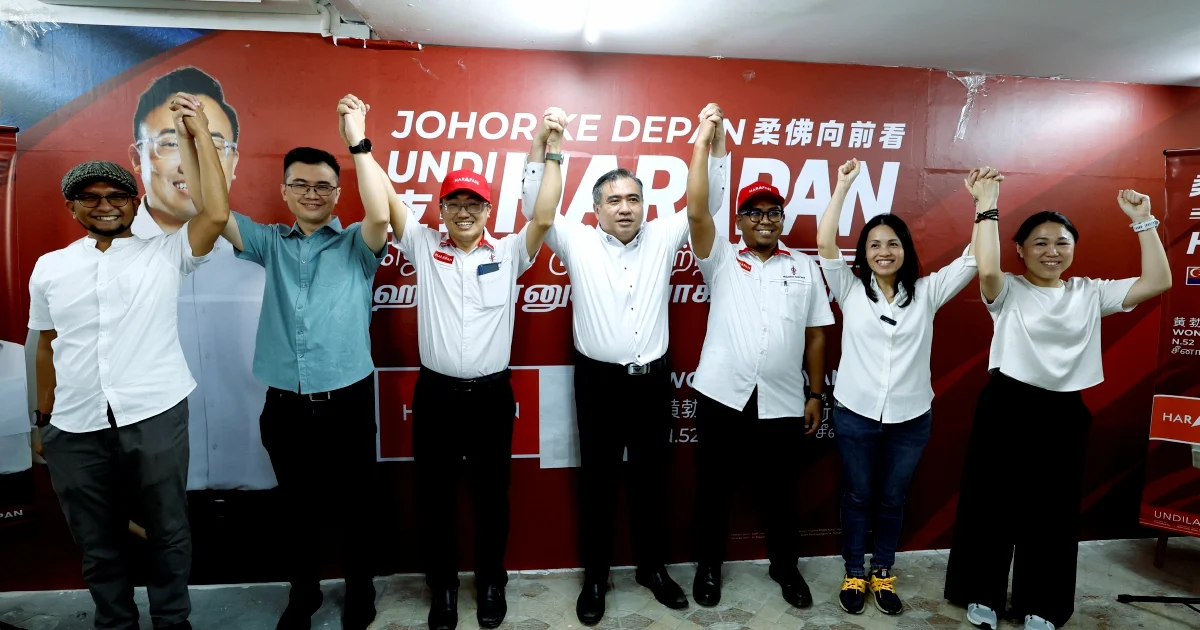
The Pakatan Harapan coalition has signalled it will not name its chosen candidate for Johor Menteri Besar until after securing victory in the forthcoming state election. This strategic decision to defer the announcement reflects the coalition's assessment that revealing its preferred leader beforehand could potentially complicate its electoral campaign and distract from its broader policy messaging to voters. The coalition's top leadership council will make the final determination once voting results confirm PH's triumph at the ballot box.
This approach underscores how Malaysian political coalitions often manage the delicate balance between internal coalition dynamics and public-facing election strategy. By withholding the specific identity of its chief ministerial candidate, Pakatan Harapan appears to be keeping its options flexible while maintaining momentum across the state. The decision also suggests confidence within the coalition that multiple potential candidates exist with sufficient support and credibility to assume the role, should the coalition prevail.
Johor remains a strategically significant state in Malaysian politics, representing one of the country's largest economies and a substantial electoral battleground. The state has seen considerable political realignment in recent years, with voter preferences shifting across different coalition groupings. Controlling Johor's state government provides both symbolic and practical importance to any ruling coalition, given the state's influence on national political trajectories and policy directions.
The timing of leadership selection in Malaysian elections has long been a subject of internal coalition negotiation. Parties within the coalition often vie for key positions, and determining leadership after electoral victory allows the winning coalition to factor in actual election results and individual constituency performances. This post-election approach can also serve to unite coalition members around shared victory rather than creating friction before polls open.
Pakatan Harapan's composition comprises multiple political parties with distinct bases and interests, making pre-election leadership declarations potentially contentious. By deferring this announcement, the coalition avoids potential discord that could undermine its unified campaign message. The approach also prevents rival coalitions from targeting specific candidates with negative campaigning or attempting to peel away support through personal attacks before the election materialises.
For Johor voters, this decision means they will cast their ballots without knowing definitively who would become Menteri Besar under a PH government, instead making decisions based on broader coalition policies and track records. This reflects a different electoral model from some democracies where chief executive candidates are named well in advance. Malaysian practice varies depending on coalition strategy, electoral calculation, and internal party consensus.
The state election will ultimately determine not only whether Pakatan Harapan gains the mandate to govern Johor but also which coalition partners gain greatest influence in the post-election government formation process. Constituencies that deliver the largest vote margins or represent key demographic areas may wield particular sway in determining who occupies the top ministerial position. This creates additional layers of complexity beyond simply aggregating seats across the state.
Johor's economic importance extends beyond state politics into national economic planning and investment strategies. The state hosts major industrial zones, palm oil operations, petrochemical facilities, and serves as a crucial logistics hub linking Peninsular Malaysia to Singapore. A change in state government could potentially affect how these economic sectors are regulated and developed, with implications for businesses operating across the region.
The coalition's emphasis on winning the election first rather than focusing on leadership personality politics aligns with broader trends in Southeast Asian democracies where institutional performance and policy delivery increasingly influence voter behaviour alongside patronage networks. This pivot toward governance-focused messaging may reflect coalition strategists' assessment that Johor voters are prioritising economic management, infrastructure development, and service delivery over individual leader personalities.
Pakatan Harapan's previous experience governing Selangor and Penang, plus its period of federal governance, provides reference points for Johor voters evaluating the coalition's prospective stewardship. The coalition can point to specific policy achievements and governance records when campaigning, potentially offsetting any disadvantage from not naming a chief ministerial candidate in advance. This track record becomes especially relevant in comparison with alternative coalition options available to voters.
The deferred leadership decision also provides strategic flexibility should unexpected political developments occur between now and when government formation becomes necessary. Health issues, sudden resignations, or shifting internal coalition alignments could all influence who ultimately becomes best positioned to lead the state. By avoiding a pre-election commitment to a specific individual, the coalition preserves its ability to adapt to circumstances as they unfold.
For Malaysian political observers and regional analysts tracking state-level developments, this announcement reflects broader patterns in how contemporary Malaysian coalitions balance transparency with strategic calculation. The decision prioritises electoral victory as the primary objective, viewing leadership selection as a matter appropriately deferred until the coalition can confirm it has secured the mandate to govern. This approach suggests confidence tempered with pragmatism about the competitive nature of contemporary Malaysian electoral politics.

