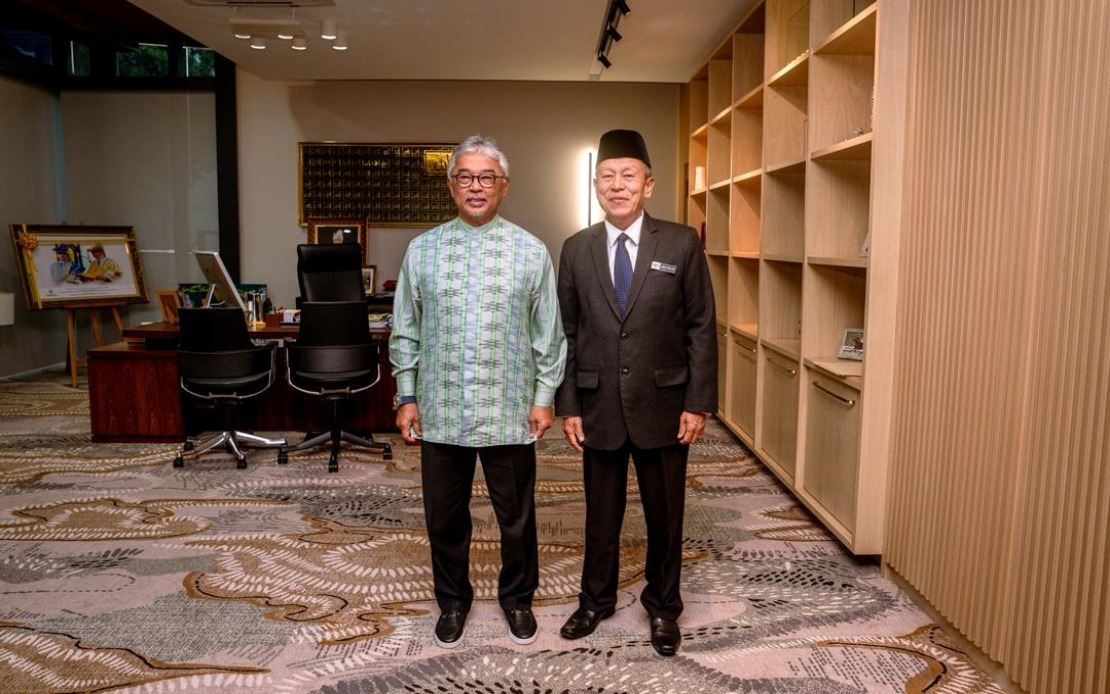
The Sultan of Pahang, Al-Sultan Abdullah Ri'ayatuddin Al-Mustafa Billah Shah, received Malaysia's anti-corruption chief in a significant show of royal support for the enforcement agency's mandate. The audience, held at Shahzan House in Ampang, saw Malaysian Anti-Corruption Commission (MACC) chief commissioner Datuk Seri Abd Halim Aman present an hour-long briefing on the commission's operations and recent accomplishments in the country's fight against graft.
The meeting underscores the prominence that the monarchy continues to place on integrity issues, reflecting broader concerns within Malaysia's institutional framework about governance standards. By granting the audience, Al-Sultan Abdullah signalled royal endorsement of the MACC's ongoing efforts to root out corrupt practices across both public and private sectors. Such engagements between the Sultan and agency heads serve as important barometers of institutional priorities at the highest levels of the constitutional framework.
During the discussion, the MACC detailed the various strategies and programmes it has deployed to strengthen integrity across government departments and agencies. These initiatives extend beyond mere prosecution of offenders to encompass preventive measures and systemic reforms designed to embed ethical conduct within bureaucratic structures. The presentation appears to have covered operational updates alongside broader policy directions that the commission intends to pursue in coming months.
A substantial portion of the dialogue centred on how Malaysia can enhance public confidence in anti-corruption enforcement. This reflects a recognition within the MACC that public trust represents a critical asset for any regulatory body tasked with policing misconduct. Without widespread belief that the agency operates fairly and effectively, its deterrent impact diminishes considerably. The conversation likely touched on transparency mechanisms, complaint handling procedures, and public communication strategies that shape perceptions of institutional credibility.
Governance and corruption prevention formed another central theme of the discussions between the royal audience and the commission leadership. These topics carry particular significance for Malaysia, where recurring scandals have prompted both domestic and international scrutiny regarding the effectiveness of institutional safeguards. The Sultan's willingness to engage substantively on such matters reflects the constitutional monarch's role in upholding standards of public conduct and institutional accountability.
Abd Halim expressed substantial gratitude for the opportunity to present directly to the Sultan, framing the audience as recognition of the MACC's critical institutional role. His remarks indicated appreciation not merely for the ceremonial aspect of the meeting but for what it represents symbolically—royal endorsement of the commission's independence and mandate. Such public expressions of gratitude from agency heads frequently carry political weight, signalling to the wider bureaucracy that the enforcement body operates with legitimacy and protection at the highest institutional levels.
The chief commissioner further highlighted his appreciation for Al-Sultan Abdullah's demonstrated concern for the MACC's operational effectiveness and its contribution to Malaysia's governance architecture. This framing positions anti-corruption work not as a narrow law enforcement function but as integral to the country's broader institutional health. The Sultan's engagement suggests recognition that corruption poses systemic challenges requiring sustained institutional attention rather than sporadic intervention.
For Malaysia's anti-corruption framework, such high-level engagement carries practical implications beyond symbolism. When the monarchy explicitly demonstrates support for enforcement agencies, it can influence how government officials regard compliance obligations and the seriousness with which they approach integrity standards. The visibility of the Sultan's engagement may also strengthen the MACC's institutional position during policy disputes or budget negotiations, as the agency can reference royal interest in its functioning.
The timing of the audience also merits consideration within Malaysia's political context. Periodic reassertions of royal support for anti-corruption efforts serve to reaffirm the constitutional order's commitment to institutional independence and accountability, particularly during periods when such principles face real or perceived pressure from political actors. The public disclosure of the meeting reinforces these symbolic dimensions, communicating to both institutional actors and the general public that integrity remains a priority across the full spectrum of Malaysia's governance structures.
Looking forward, such engagements between the Sultan and agency heads establish frameworks for continued dialogue on institutional matters of national importance. They create opportunities for the MACC to brief the monarchy on emerging corruption patterns, evolving enforcement challenges, and necessary institutional reforms. For Malaysia's broader anti-corruption project, maintaining such high-level support proves essential as the country navigates complex challenges in strengthening governance standards across diverse sectors of society.

