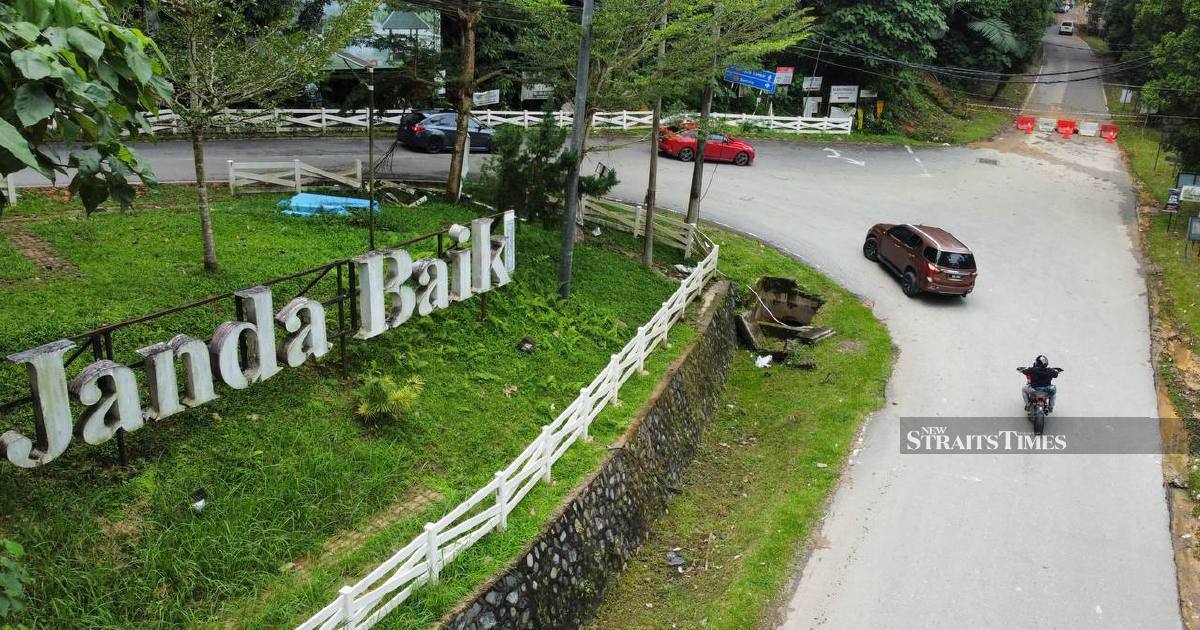
The Pahang Health Department has initiated a formal investigation into reported cases of illness affecting several individuals who visited a riverside recreational facility near Bentong, with the incidents following bathing activities in local waterways. The health authorities are examining the circumstances surrounding the suspected outbreak, which has drawn renewed attention to sanitation and safety standards at popular nature-based tourism destinations across the state.
Janda Baik, situated in the foothills of the Bentong district, is a well-known recreational hub that attracts weekend visitors and families seeking outdoor leisure activities, particularly river bathing and picnicking during warmer months. The area's natural water features have made it a favoured destination despite periodic concerns about water quality and environmental conditions at such unregulated bathing locations. The recent health incident has prompted authorities to examine whether existing safety protocols and environmental monitoring measures are adequate for protecting public health.
Departmental officials are conducting epidemiological investigations to establish a timeline of illnesses, identify affected individuals, and determine whether the incidents constitute a genuine outbreak requiring public health intervention. Preliminary enquiries are expected to focus on the symptoms reported, the timing of onset relative to river exposure, and whether other potential sources of contamination can be ruled out. The investigation will also assess whether food-related causes contributed to the reported illnesses, given initial allegations centring on suspected food poisoning.
Water quality testing is likely to form a central component of the health department's response, with environmental samples potentially being collected from the river and surrounding areas where visitors gathered. Such testing can identify bacterial contamination, chemical hazards, or parasitic organisms that might explain gastrointestinal symptoms commonly reported in waterborne illness outbreaks. The findings will inform public health advisories and potentially temporary restrictions on recreational use of the affected water sources.
This incident reflects broader challenges facing Malaysian health authorities in managing public health risks at informal or minimally regulated recreational sites. Unlike controlled swimming pools or managed beach facilities, river bathing locations often lack systematic water monitoring, sanitation infrastructure, or formal oversight mechanisms. The decentralised nature of such spaces complicates enforcement of hygiene standards and rapid response to emerging health threats, particularly during peak tourist seasons when visitor numbers surge.
For Pahang state authorities, the investigation arrives as the region continues recovering from economic disruptions and seeks to maintain tourism appeal across its diverse attractions. Janda Baik's popularity means that any sustained health concerns could impact visitor confidence and business operations at surrounding cafes, accommodation providers, and activity organisers dependent on recreational foot traffic. Conversely, a thorough and transparent investigation demonstrating effective public health response may help reassure potential visitors about destination safety.
The timing of such incidents typically corresponds with warmer weather and school holidays, when family excursions to natural attractions intensify. This seasonality underscores the need for preventive measures and public education campaigns ahead of peak visitation periods. Health authorities across Southeast Asia have increasingly recognised that educating recreational visitors about water safety, personal hygiene during outdoor activities, and recognition of contamination indicators can substantially reduce illness risk.
Regional context matters here: similar waterborne illness episodes have occurred across Malaysia and neighbouring countries, often linked to inadequate water treatment, proximity of human activity to bathing areas, and proliferation of pathogenic organisms during specific environmental conditions. The cumulative effect of such incidents has gradually shaped public awareness, though misconceptions about water safety persist among some visitor groups who may underestimate risks at picturesque natural sites.
The health department's investigation will likely produce recommendations addressing identified gaps in environmental monitoring, visitor safety signage, and coordination between health, local government, and tourism stakeholders. Any proposed interventions must balance public protection with preserving public access to natural recreation areas, a tension that Malaysian authorities have grappled with across multiple jurisdictions. Subsequent communications from health authorities will be closely monitored by tourism operators, local communities, and potential visitors seeking clarity on the situation's resolution and safety status of the Janda Baik recreational precinct.